10 Day Weather Forecast for Oklahoma City: A Local Guide
Checking a 10 day weather forecast for Oklahoma City is a routine ritual for anyone planning outdoor work, travel across Interstate 35, or weekend events at Scissortail Park. However, central Oklahoma sits at a geographic crossroads where polar air from Canada, dry continental air from the High Plains, and warm, humid air from the Gulf of Mexico constantly battle for dominance. This atmospheric intersection makes extended forecasting both essential and notoriously complex.
Understanding how long-range models work, what each day of the forecast window actually tells you, and how local climate patterns shape the weather can save you from ruined plans and unexpected hazards.
How to Read a 10 Day Weather Forecast for Oklahoma City
Modern weather forecasting relies on supercomputers running complex numerical models such as the American GFS (Global Forecast System) and the European ECMWF. While these models have advanced significantly over the past two decades, their skill decreases the further out you look. When examining a ten-day spread in OKC, break the window down into three distinct tiers.
Days 1 to 3: High-Confidence Tactical Planning
During the first 72 hours, high-resolution models can resolve localized phenomena such as thunderstorms, frontal boundaries, and wind shifts. Temperature projections are usually accurate within two to three degrees Fahrenheit, and precipitation timing is relatively narrow. If you are scheduling concrete pours, roof repairs, or outdoor weddings, this is the window where you can make firm operational decisions.
Days 4 to 7: Trend Identification
In the mid-range window, forecasts shift from predicting specific thunderstorm cells to identifying large-scale weather systems (synoptic patterns). You will see reliable indicators of major cold fronts, large low-pressure systems, or persistent heat domes. While rain chances may display as a specific percentage, consider that number a reflection of general probability rather than an exact start-and-stop timetable.
Days 8 to 10: Pattern Recognition
By days eight, nine, and ten, small mathematical uncertainties in numerical models compound. Meteorologists use ensemble modeling—running a forecast model dozens of times with slight tweaks to initial data—to assess trends. An extended forecast showing rain on day nine does not guarantee a wet afternoon; rather, it indicates that the broad atmospheric pattern favors unsettled conditions across the Southern Plains during that timeframe.
Seasonal Realities of OKC Weather
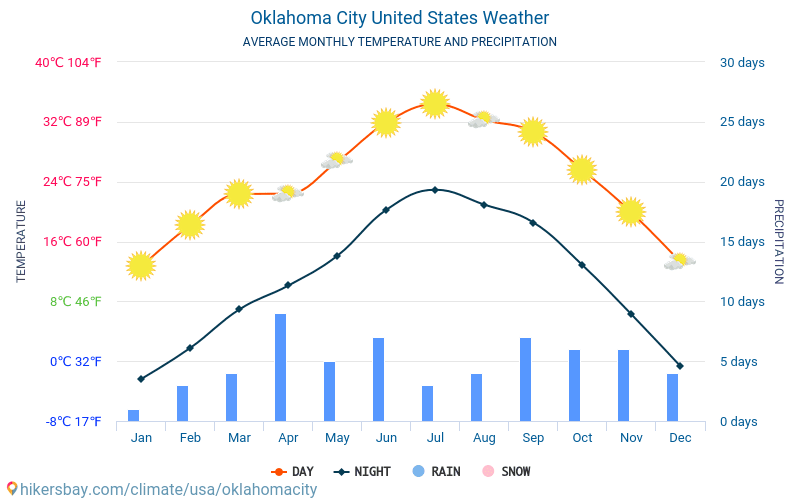
Oklahoma City experiences a humid subtropical climate with extreme seasonal variation. How you interpret an extended forecast depends heavily on the time of year.
Spring (March through May)
Video: Here’s the weather forecast for Oklahoma City and 10 day forecast #oklahomacity

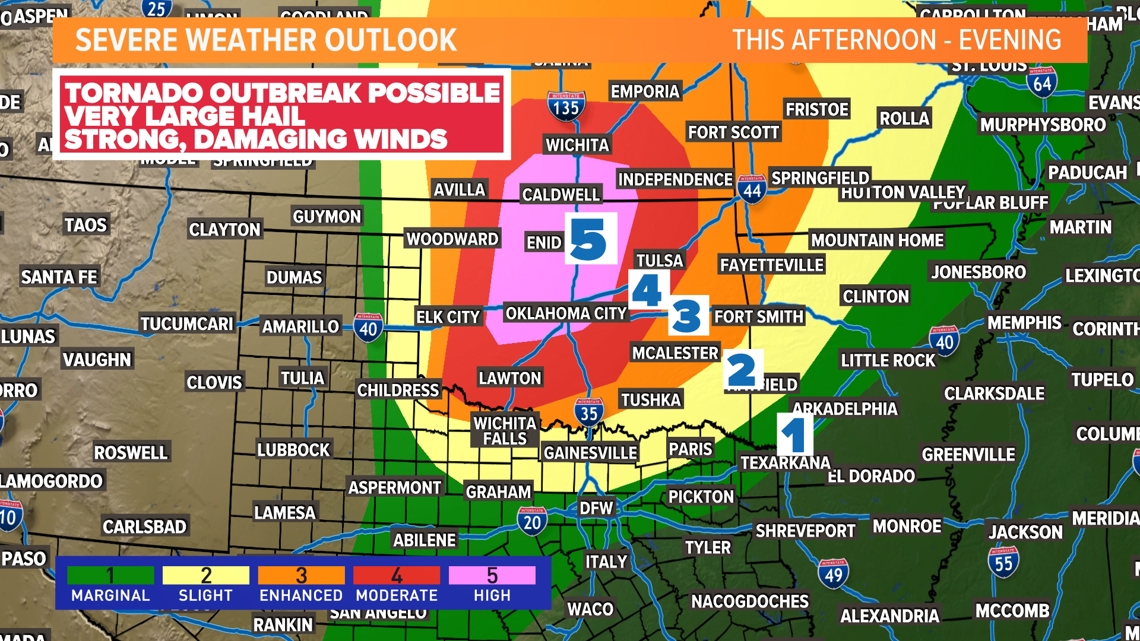
Spring is Oklahoma City's most dynamic season. As the jet stream dips south, powerful low-pressure systems pull dry air from West Texas and rich moisture from the Gulf. This sets up the classic "dryline" across western or central Oklahoma. An extended forecast showing high temperatures in the low 80s paired with dew points in the upper 60s several days out is an early signal to monitor for severe thunderstorms, hail, and tornadoes.
Summer (June through August)
Summer forecasts are often dominated by the subtropical ridge, commonly called a heat dome. During these stretches, a ten-day outlook will look remarkably uniform: daytime highs climbing into the upper 90s or lower 100s, persistent southerly breezes, and negligible precipitation chances. The main concern during summer is the heat index, as sustained high humidity can push apparent temperatures past 105°F.
Fall (September through November)
Fall is arguably the most pleasant season in central Oklahoma, characterized by mild afternoons and crisp nights. However, October often brings a secondary severe weather season when strong autumn cold fronts collide with lingering Gulf moisture. Extended forecasts during fall are particularly useful for tracking the arrival of the season's first freezes, which typically occur in late October or early November.
Winter (December through February)
Winter weather in Oklahoma City is erratic. A week that begins with sunny afternoons in the mid-60s can end with an Arctic cold front—often termed a "Blue Norther"—dropping temperatures by 40 degrees in a matter of hours. The biggest winter challenge in an extended forecast is freezing rain versus sleet or snow. Small temperature variations of one or two degrees in the lowest layers of the atmosphere make the difference between a minor dusting and a crippling ice storm.
Microclimates and Local Geographic Factors
Oklahoma City is one of the largest cities in the United States by land area, spanning more than 620 square miles across Canadian, Cleveland, Oklahoma, and Pottawatomie counties. Weather conditions can vary noticeably from one side of the metro to the other.
- Urban Heat Island: Downtown OKC and heavily paved commercial corridors along Northwest Expressway often stay three to five degrees warmer at night than outlying rural areas.
- Elevation and Cold Air Drainage: Lower-lying areas near the North Canadian (Oklahoma) River basin can trap dense fog and cold air on calm, clear mornings.
- North-South Precipitation Gradients: It is common for a stalled frontal boundary to sit directly over the metro, leaving Edmond dry and warm while Norman experiences torrential downpours.
Best Practices for Using Extended Forecasts
To make the most of your ten-day outlook without getting caught off guard, keep these practical tips in mind:
- Focus on the pattern, not the exact number: If the extended outlook shows temperatures dropping from 75°F to 48°F over three days, plan for a cold front, even if the exact day of arrival shifts by 12 to 24 hours.
- Watch the dew point: Temperatures only tell half the story. High dew points indicate moisture availability, signaling higher discomfort in summer and increased storm potential in spring.
- Rely on local sources for severe weather: National automated weather apps use raw model output that often exaggerates precipitation probabilities ten days out. Cross-reference extended computer models with discussions published by the National Weather Service forecast office in Norman (NWS Norman) or the Storm Prediction Center (SPC).
- Re-check daily: In the Southern Plains, atmospheric shifts happen quickly. A tranquil day-eight forecast can change drastically as upper-level energy over the Pacific Ocean moves inland and gets measured by regional weather balloons.
Final Thoughts
A ten-day forecast for Oklahoma City is a valuable tool for big-picture scheduling, agricultural planning, and home maintenance. By viewing days one through three as actionable forecasts, days four through seven as trends to track, and days eight through ten as general indicators of seasonal weather patterns, you can plan your schedule confidently while respecting the unpredictable nature of Oklahoma skies.