10 Powerful Symbols That Mean Courage and Bravery
Throughout human history, art, and mythology, people have looked for physical representations of inner strength. Whether facing a personal trial, entering a battle, or simply seeking daily inspiration, humans have gravitated toward visual reminders of bravery. Finding the right symbols that mean courage can offer profound psychological grounding, turning abstract resilience into something tangible you can wear, display, or meditate upon.

Different cultures and eras have defined fearlessness in unique ways. From fierce predators in the animal kingdom to enduring plants and ancient artifacts, here are ten of the most potent symbols of bravery and grit recognized across the world.
Nature's Most Enduring Symbols That Mean Courage
Nature often provides the most striking metaphors for human endurance. Long before written language, ancient civilizations observed the natural world to understand the qualities needed to survive and thrive against the odds.
1. The Lion: The King of Beasts
The lion is perhaps the most universally recognized emblem of bravery. Ancient cultures in Egypt, Greece, and Mesopotamia associated the lion with royalty, protection, and fearlessness. In heraldry throughout medieval Europe, the lion rampant stood on coats of arms to signify a warrior who faced danger without retreating.
Beyond physical might, the lion represents moral courage—the willingness to stand up for a community or a belief, even at great personal cost.
2. The Bear: Primal Strength and Protection
In Celtic and Native American traditions, the bear is revered as a guardian of immense power. Mother bears are fiercely protective of their cubs, creating a natural association between the animal and fierce, defensive courage.
To wear or display the bear symbol was historically believed to imbue the bearer with the resilience to endure harsh winters and the fortitude to stand ground against formidable foes.
3. The Bamboo: Flexibility and Resilience
True bravery is not always rigid; sometimes, it is about bending without breaking. In East Asian cultures, bamboo is celebrated as a profound symbol of resilience and moral integrity.
- Bending under pressure: Bamboo bends dramatically in fierce typhoons, yet it rarely snaps.
- Rapid recovery: Once the storm passes, it springs right back up to its original position.
- Hollow core: Symbolizes humility and an open mind, reminding us that true courage requires adaptability.
4. The Lotus Flower: Rising Through Adversity
The lotus begins its life in murky, stagnant pond mud, pushing its way upward through dark water until it blooms into a pristine flower in the sunlight. In Eastern philosophies, it represents spiritual awakening and the courage to rise above suffering, fear, and ignorance.
Mythological and Historical Icons of Bravery
Human imagination has also birthed legendary creatures and physical artifacts that have come to embody the ultimate triumph over fear.
5. The Dragon: Overcoming Internal Chaos

While Western folklore often casts dragons as terrifying beasts that heroes must slay, Eastern traditions view dragons as benevolent guardians of immense power, wisdom, and good fortune.
In both contexts, the dragon represents overcoming monumental challenges. Slaying a dragon in mythology is a classic metaphor for conquering one's deepest inner fears and obstacles.
6. The Eagle: Visionary Fearlessness
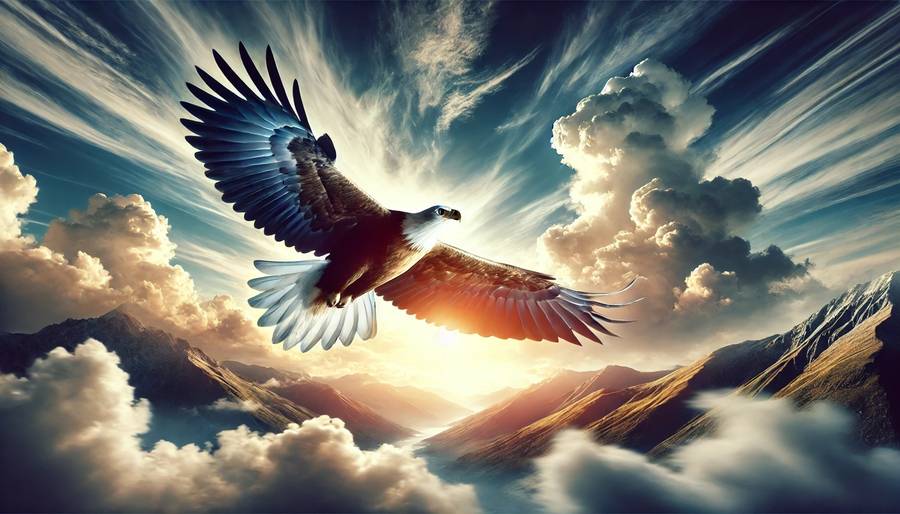
Soaring high above the earth with unmatched vision, the eagle represents the courage to look at life from a higher perspective. Native American cultures viewed the eagle as a messenger to the divine, possessing the bravery to fly closer to the sun than any other creature.
7. The Anchor: Steadfast Hope
Maritime traditions gave us the anchor as a symbol of stability during violent storms. While traditionally representing hope and steadfastness, the anchor also embodies the courage to remain grounded when life's currents try to pull you under.
Cultural and Personal Emblems of Valor
Many symbols of bravery come from specific cultural practices, weaponry, and historical milestones.
8. The Valknut and Norse Runes
Norse culture placed immense value on bravery, particularly in the face of unavoidable fate. Symbols like the Valknut (associated with Odin and fallen warriors) and specific runes carved into weapons were used by Vikings to invoke fearlessness and strength in battle.
9. The Sword: Decisiveness and Honor
Across samurai culture and European knighthood, the sword represents the decisive action required of a brave individual. It is a double-edged symbol: it can deal destruction, but it is also used to defend the defenseless and uphold justice.
10. The Red Ribbon or Poppy: Remembrance and Sacrifice
Modern symbols often honor the specific courage required in public service and humanitarian efforts. The red poppy, born from the shattered battlefields of World War I, stands as a reminder of the collective sacrifice and bravery of soldiers.
How to Use Symbols of Courage Today
Incorporating these symbols into your daily life can serve as a powerful psychological anchor. Whether you choose to wear a bamboo pendant, sketch a lion in your journal, or keep a small smooth stone reminiscent of an enduring element on your desk, these visual cues help retrain your focus.
When faced with a difficult conversation, a career shift, or a personal trial, looking at a personal symbol of bravery can provide that vital extra second of resolve needed to step forward instead of backing down.