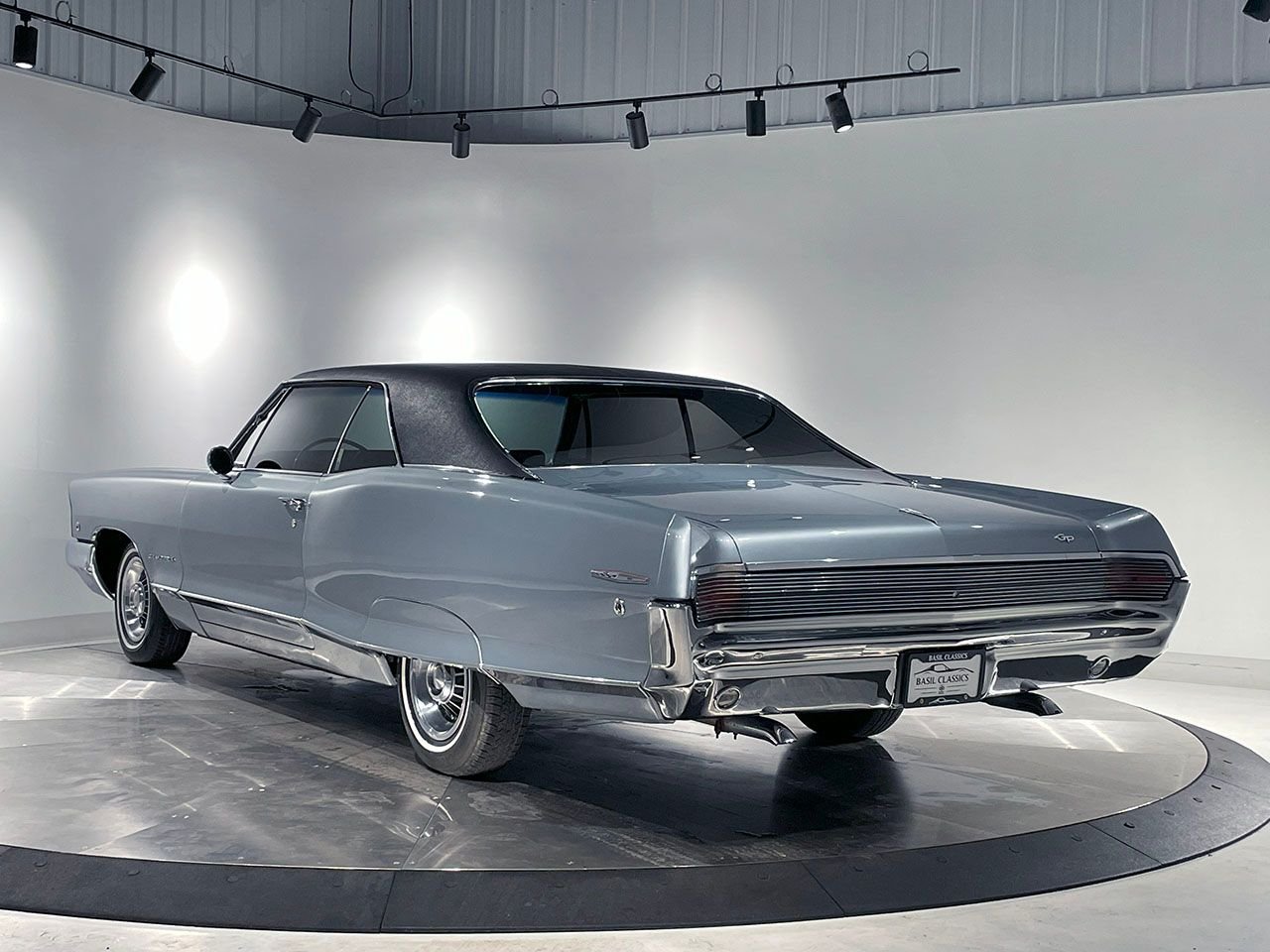
1965 Pontiac Grand Prix: Specs, History & Buyer's Guide
Introduction to the 1965 Pontiac Grand Prix

The mid-1960s marked a golden era for American automotive design, and few cars capture that sophisticated muscle-car aesthetic quite like the 1965 Pontiac Grand Prix. Introduced by John DeLorean and his engineering team as a personal luxury performance car, the Grand Prix bridged the gap between raw straight-line speed and high-end comfort. Following a major redesign for the 1965 model year, this iconic coupe received a sharper, more aggressive stance that cemented its legendary status among collectors and classic car enthusiasts today.
Design and Styling Evolution
General Motors instituted a sweeping redesign across its full-size car lineup for the 1965 model year. For Pontiac, this meant cleaner body lines, sweeping contours, and a distinctively muscular presence.
The Iconic Stacked Headlights
The most striking visual update on the 1965 model was the transition to vertically stacked dual headlights. Framed by a prominent split grille and a sharply sculpted nose, this front-end treatment gave the car a commanding road presence. The stacked headlight design became an unmistakable trademark of mid-60s Pontiacs, instantly differentiating the Grand Prix from its Chevrolet and Buick stablemates.
Interior Luxury and Features
Inside, the 1965 Grand Prix offered a cockpit tailored specifically to the driver. Standard features included bucket seats wrapped in rich Morrokide vinyl, a full-length center console with an engine-turned aluminum accent plate, and a comprehensive set of round instrument gauges. Buyers could also opt for modern conveniences such as power windows, a tilt steering wheel, and factory air conditioning, making it a true grand tourer.
Performance and Engine Options
Underneath its elegant sheet metal, the 1965 Pontiac Grand Prix lived up to the division's wide-track performance heritage. While it weighed significantly more than a standard GTO, it offered formidable horsepower figures that made it effortlessly fast on the highway.
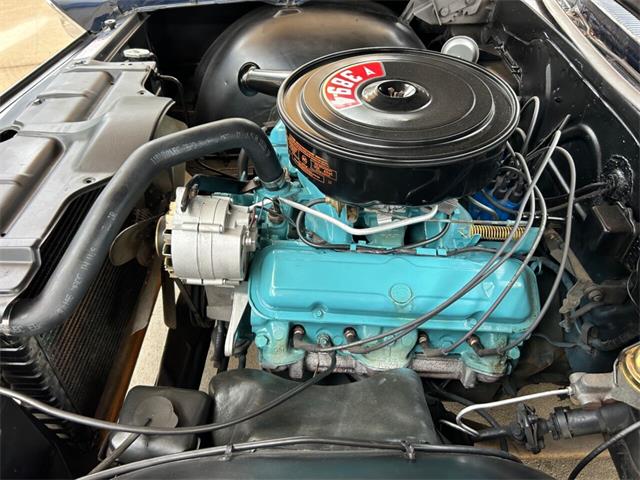
- 389 cubic-inch V8 (Standard): Equipped with a single two-barrel carburetor, this base engine produced 333 horsepower. When paired with the optional four-barrel carburetor, output jumped to 360 horsepower.
- 421 cubic-inch V8 (Optional): For maximum performance, buyers could order the massive 421 CI engine. The high-output (H.O.) Tri-Power version—featuring three two-barrel carburetors—churned out an impressive 376 horsepower and staggering torque.
Transmission choices included the reliable three-speed manual, the heavy-duty four-speed manual with a Hurst shifter, and the newly introduced three-speed Turbo Hydra-Matic automatic transmission, which replaced the older Super Turbine unit.
Driving Dynamics and Ride Quality
The Grand Prix was designed for effortless high-speed cruising. Pontiac’s Wide-Track suspension geometry minimized body roll in corners, while the long wheelbase absorbed road imperfections with ease. Power steering and power-assisted drum brakes (though front disc brakes were not yet widely standard) came as welcome upgrades, making the heavy coupe surprisingly manageable in tight spaces and reassuringly stable at sustained turnpike speeds.
Buying and Owning a Classic 1965 Pontiac Grand Prix
If you are in the market for a vintage American cruiser, finding a solid 1965 Pontiac Grand Prix can be a rewarding project. Because these cars share many mechanical components with other GM full-size models of the era, routine maintenance parts are relatively easy to source.
What to Look For
When inspecting a potential purchase, pay close attention to the following areas:
- Rust: Check the lower rear quarters, trunk floor pan, rocker panels, and the frame rails near the rear wheels.
- Trim and Brightwork: The unique Grand Prix exterior stainless trim, specialized taillight bezels, and interior aluminum dash panels are difficult and expensive to restore or replace if damaged or missing.
- Matching Numbers: For investment-grade vehicles, verify the engine block casting numbers and date codes to confirm whether the car retains its original drivetrain.
Conclusion
The 1965 Pontiac Grand Prix represents a high-water mark for Detroit styling and engineering. With its muscular proportions, luxurious cockpit, and potent V8 engine options, it offers a compelling blend of comfort and performance. Whether you attend local weekend car shows or enjoy long-distance vintage rallies, owning this classic Pontiac delivers an authentic taste of 1960s motoring excellence.