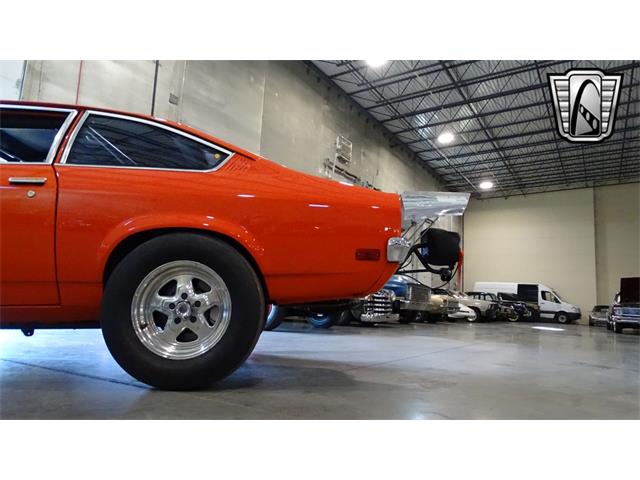
1973 Chevrolet Vega for Sale: Collector's Guide
Few cars evoke as much nostalgia—and mechanical debate—as the Chevrolet Vega. Introduced for the 1971 model year, GM's subcompact was designed to combat the rising tide of fuel-efficient imports. By the time the 1973 model year rolled around, the Vega was a ubiquitous sight on American roads, offering sleek styling inspired by European sports sedans. Today, finding a 1973 Chevrolet Vega for sale has transformed from a hunt for cheap commuter transportation into a quest for a quirky, lightweight classic ripe for restoration or restomodding.
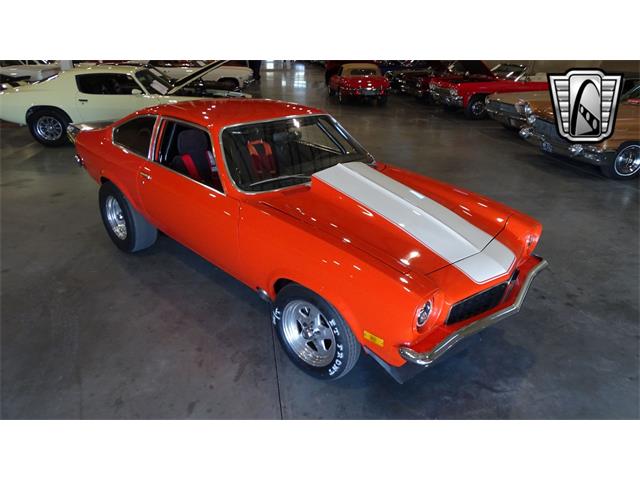
Whether you are hunting for an original base hatchback, a sporty GT, or a panel delivery wagon, navigating the market for these vintage Chevys requires patience and a sharp eye. This guide breaks down what you need to know before buying, pricing trends, and how to spot a solid project.
Understanding the 1973 Vega Market
The market for vintage subcompacts has shifted over the last decade. While mainstream muscle cars command top dollar, the Vega remains a relatively affordable entry point into classic car ownership. Prices vary wildly based on condition, body style, and whether the car retains its original equipment.
Pricing Tiers
- Project Cars ($1,500 – $4,000): These typically require extensive rust repair, interior restoration, and mechanical overhauls. Many have non-running engines or have already been partially disassembled for a V8 swap.
- Driver Condition ($4,000 – $8,500): These Vegas are roadworthy with functional brakes and a running engine, though they usually show cosmetic wear, minor surface rust, or faded paint.
- Show or Restored ($9,000 – $18,000+): Pristine, rust-free survivors or professionally built restomods with upgraded suspension and modern drivetrains command the highest prices at specialized auctions and enthusiast forums.
Key Areas to Inspect Before You Buy
Because of their lightweight construction and the metallurgy of the era, Vegas are notoriously fragile when it comes to structural integrity. If you are inspecting a 1973 Chevrolet Vega for sale, prioritize these inspection points.
1. Rust Inspection
Rust is the number one enemy of any Vega. Pay close attention to these critical structural zones:
- Front Fenders and Wheel Arches: Mud and moisture easily get trapped behind the lip, leading to bubbling and perforation.
- Lower Door Skins and Rocker Panels: Inspect the bottom edges where water pools.
- Floor Pans and Trunk Well: Lift the carpets and trunk mat. Pinholes in the floorboards are common due to leaking window seals or failing battery trays.
- Subframe Mounts: Check where the front suspension attaches to the unibody. Severe rust here makes the car unsafe and expensive to repair.
2. The Engine Situation
The 1973 Vega came standard with a 2.3-liter aluminum-block inline-four cylinder engine. While innovative for its time, this engine earned a reputation for overheating, warping, and coolant leaks if the maintenance wasn't immaculate.
When evaluating a potential purchase, ask the seller about the engine's history:
- Does it hold coolant and oil pressure properly?
- Has it been rebuilt with an upgraded cylinder head gasket?
- Has the car been converted? (Many owners ditch the stock four-cylinder in favor of a Chevrolet small-block V8, a Buick V6, or modern LS powerplants).
Choosing the Right Body Style
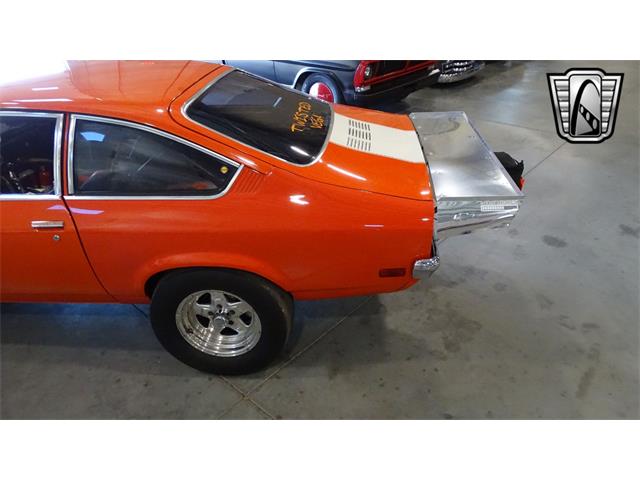
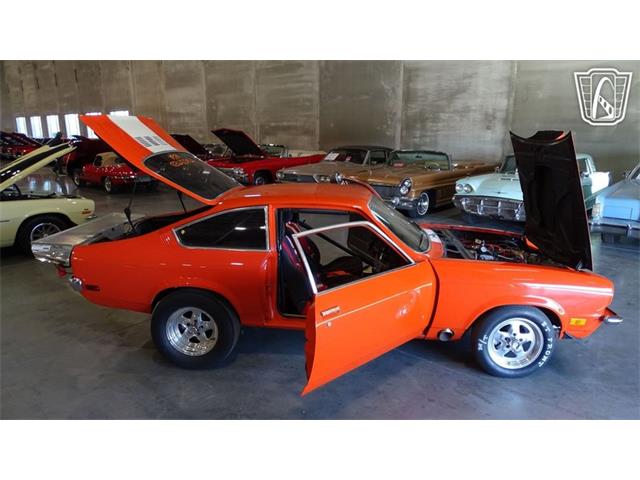
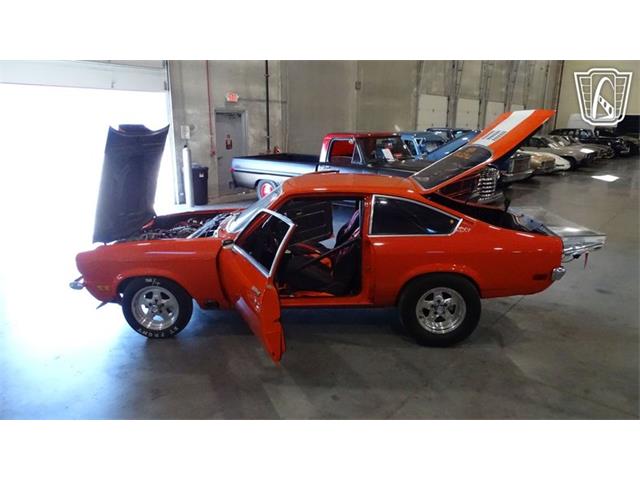
Video: 1973 chevy Pro Street Vega for sale

The 1973 model year offered several distinct body styles, each catering to different enthusiast tastes. Knowing what you want helps narrow down your search.
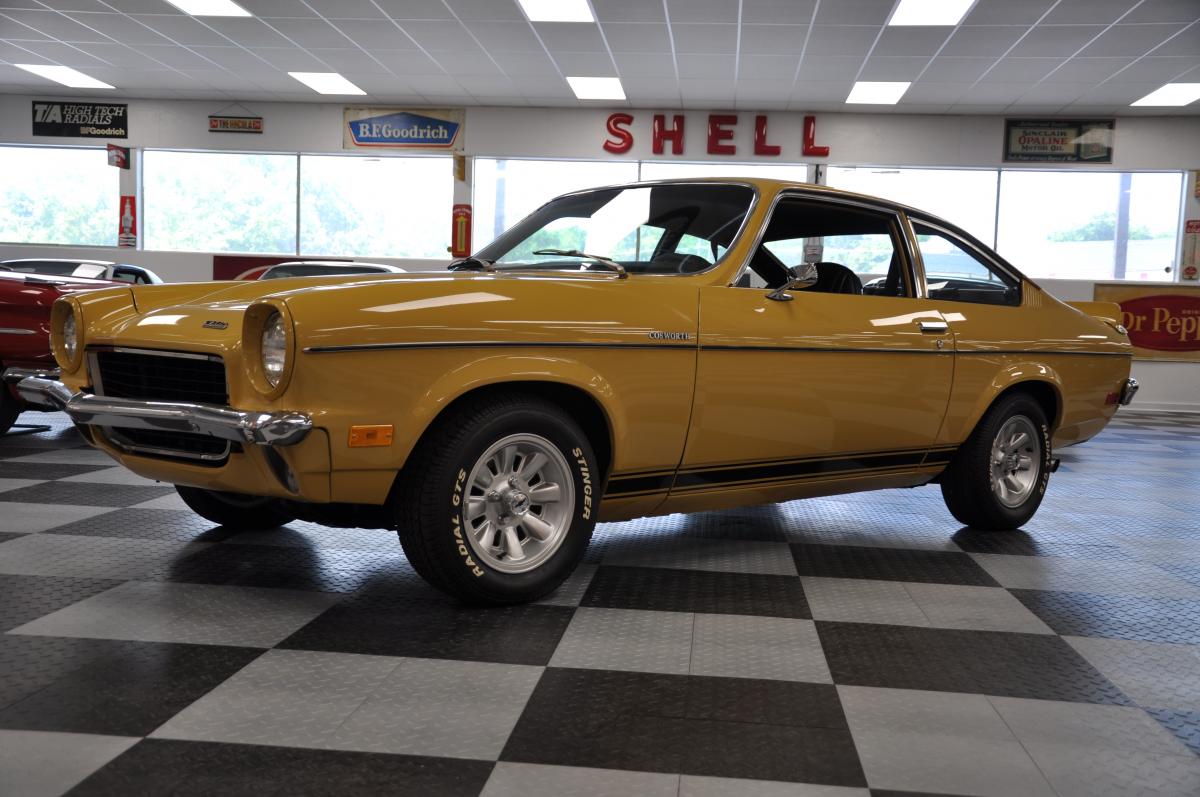
Hatchback
The quintessential Vega shape. The rear hatch opens to reveal a surprisingly versatile cargo area with fold-down rear seats. This is the most common body style found on the market.
Kammback Wagon
Combining subcompact footprint utility with two-door wagon styling, the Kammback has a dedicated following among surfers, campers, and vintage station wagon collectors.
Panel Express
Essentially a delivery wagon with solid metal panels instead of rear side windows, the Panel Express is quite rare today and heavily sought after by commercial vehicle collectors and customizers.
Sedan and Notchback
Featuring a traditional trunk rather than a hatchback, these models are slightly stiffer structurally and offer a distinct three-box silhouette.
Where to Find a 1973 Chevrolet Vega for Sale
Because these cars are no longer common on standard used car lots, you need to look in specialized spaces:
- Enthusiast Forums and Facebook Groups: Communities like the H-Body Organization or dedicated Vega swap groups are goldmines for finding enthusiast-owned cars that haven't been heavily marked up.
- Online Classic Car Marketplaces: Platforms such as Bring a Trailer, Hemmings, and ClassicCars.com occasionally list exceptionally clean or modified Vegas.
- Local Swap Meets and Cars & Coffee: Networking locally often yields leads on cars sitting in barns or garages that owners haven't gotten around to listing online.
Final Thoughts
Buying a 1973 Chevrolet Vega is a rewarding journey for the classic car enthusiast who appreciates unique styling and lightweight handling dynamics. Whether you choose to preserve a factory-stock four-cylinder survivor or build the ultimate V8 drag-and-drive street machine, doing your homework on rust and mechanical condition will ensure you find a solid foundation for your next automotive project.