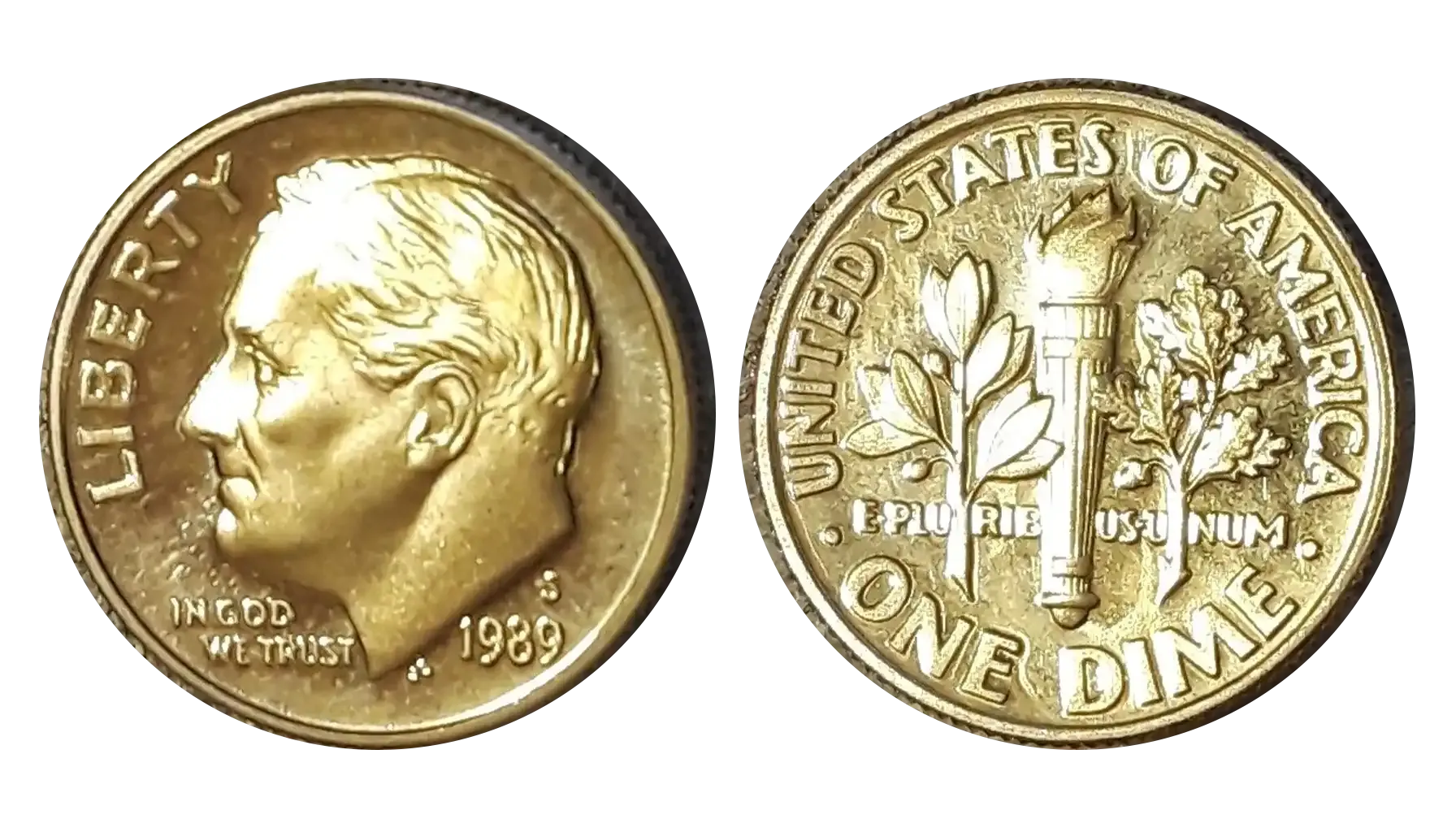
1989 Dime Error List: Valuable Varieties to Find
When sorting through modern Roosevelt dimes, most collectors look right past pieces minted in the late 1980s. After all, the U.S. Mint produced hundreds of millions of these coins at both the Philadelphia and Denver facilities. However, if you know what to look for, checking a 1989 dime error list can reveal some fascinating and potentially valuable modern varieties hiding in plain sight.

Minting errors occur when the complex machinery used to press billions of coins malfunctions in some way. From planchet issues to striking mistakes, these anomalies break the monotony of mass production. Below is a detailed guide to the most notable 1989 dime errors, how to identify them, and what they might be worth to collectors.
Understanding Roosevelt Dime Production in 1989
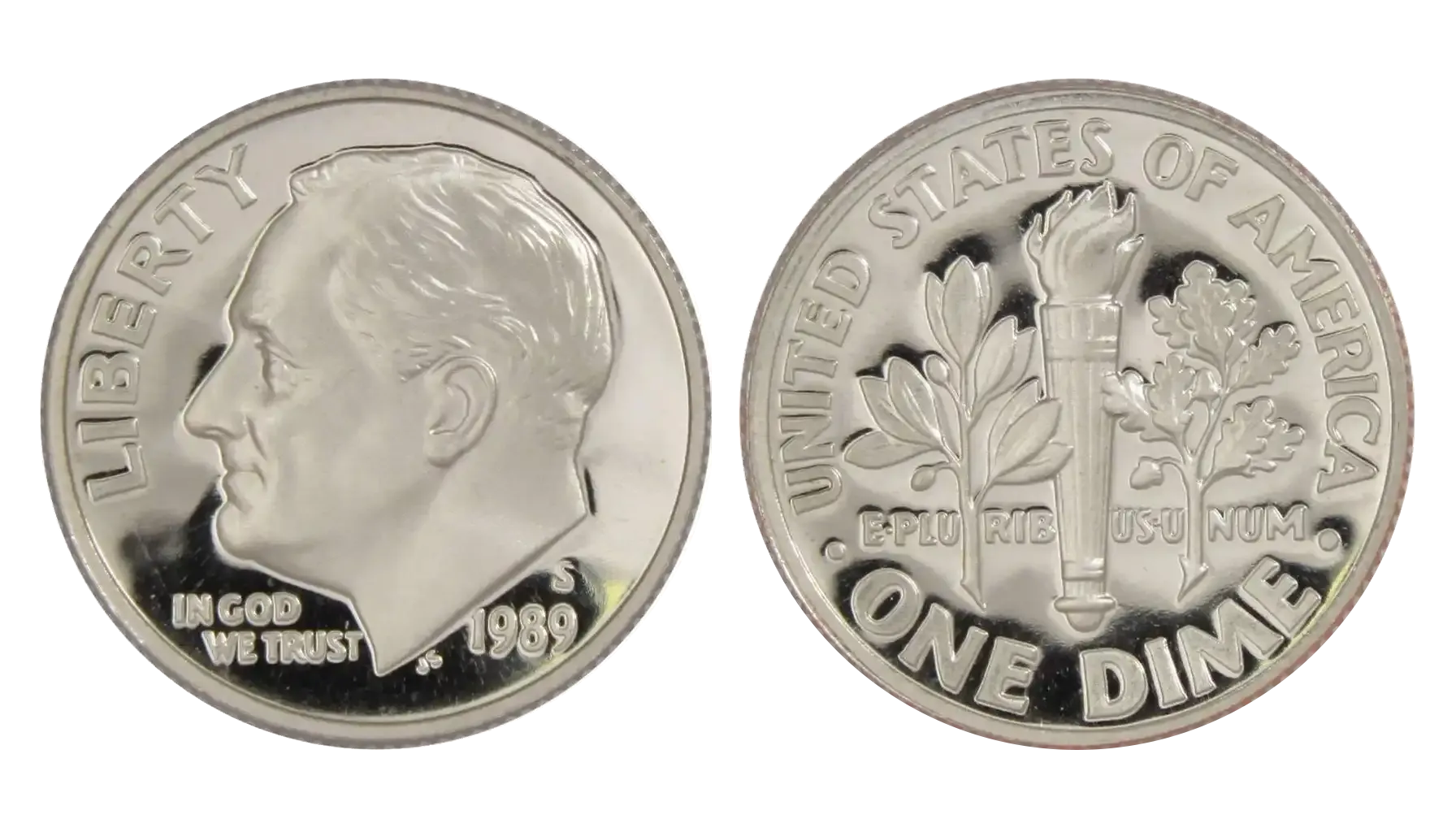
Before diving into the specific errors, it helps to understand the context of 1989 dime production. The Philadelphia Mint (no mint mark) and the Denver Mint (D mint mark) struck business-strike dimes for circulation, while the San Francisco Mint produced proof coins for collectors (S mint mark).
Because the presses operated at incredible speeds, various mechanical failures could occur. Dies clashed, planchets were improperly fed, and debris occasionally found its way between the die and the coin blank. Finding these anomalies requires patience, a good magnifying glass, and a sharp eye.
Comprehensive 1989 Dime Error List
While major errors from 1989 are relatively scarce, several minor and major error types have been documented by numismatists. Here are the primary varieties you should keep on your radar.
1. Doubled Die Obverse (DDO) and Reverse (DDR) Varieties
Doubled dies are among the most sought-after errors in modern numismatics. A doubled die error happens during the die-making process when the hub strikes the working die multiple times at slightly different angles, transferring a doubled image.
What to look for: Examine the lettering in "IN GOD WE TRUST," the date "1989," and the word "LIBERTY" on the obverse using a 10x loupe. On the reverse, check the lettering in "UNITED STATES OF AMERICA" and the torch flames.
Value: Minor mechanical doubling (machine doubling) is very common on 1989 dimes and carries little to no premium. However, a true hub-doubled die variety in high mint state can command anywhere from $20 to over $100 depending on the strength of the separation.
2. Repunched Mint Mark (RMM) Errors
Prior to 1990, mint marks on U.S. coins were punched manually into the working dies by a mint technician using a small steel punch. Because this was done by hand, the technician sometimes struck the die more than once, resulting in a repunched mint mark.
What to look for: Look closely at the "D" mint mark located just above the date on Denver-minted dimes. Use a magnifying glass to check for visible traces of a second "D" underneath, offset to the north, south, east, or west.
Value: Dramatic repunched mint marks from the 1980s typically trade for $10 to $50, depending on the coin's overall grade and how clear the secondary image is.
3. Broadstrike Errors
A broadstrike occurs when a coin is struck outside of the retaining collar. The collar is responsible for maintaining the coin's diameter and reeded edge. If the collar fails to rise or if the planchet is not properly seated, the metal spreads outward under the immense pressure of the strike.

What to look for: The resulting coin will have a larger diameter than a standard dime, and the design elements will appear stretched or distorted outward. Crucially, the edge of the coin will be completely smooth rather than reeded.
Value: Uncertified broadstruck dimes in circulated condition generally sell in the $15 to $30 range, while pristine uncirculated specimens can fetch more.
4. Off-Center Strikes
An off-center strike happens when the planchet is not properly positioned between the dies when the press cycles. Only a portion of the design is stamped onto the metal blank, leaving the rest of the coin completely blank and smooth.
What to look for: Collectors grade these by the percentage of the design missing and whether the date remains visible. A 10% to 20% off-center 1989 dime with a visible date is much more desirable than a coin missing 50% of its design where the date is completely obliterated.
Value: Minor off-center strikes (5% to 10%) are worth around $10 to $15. Major off-center strikes (50% or more with a clear date) can easily bring $50 to $100+ at auction.
5. Clipped Planchet Errors
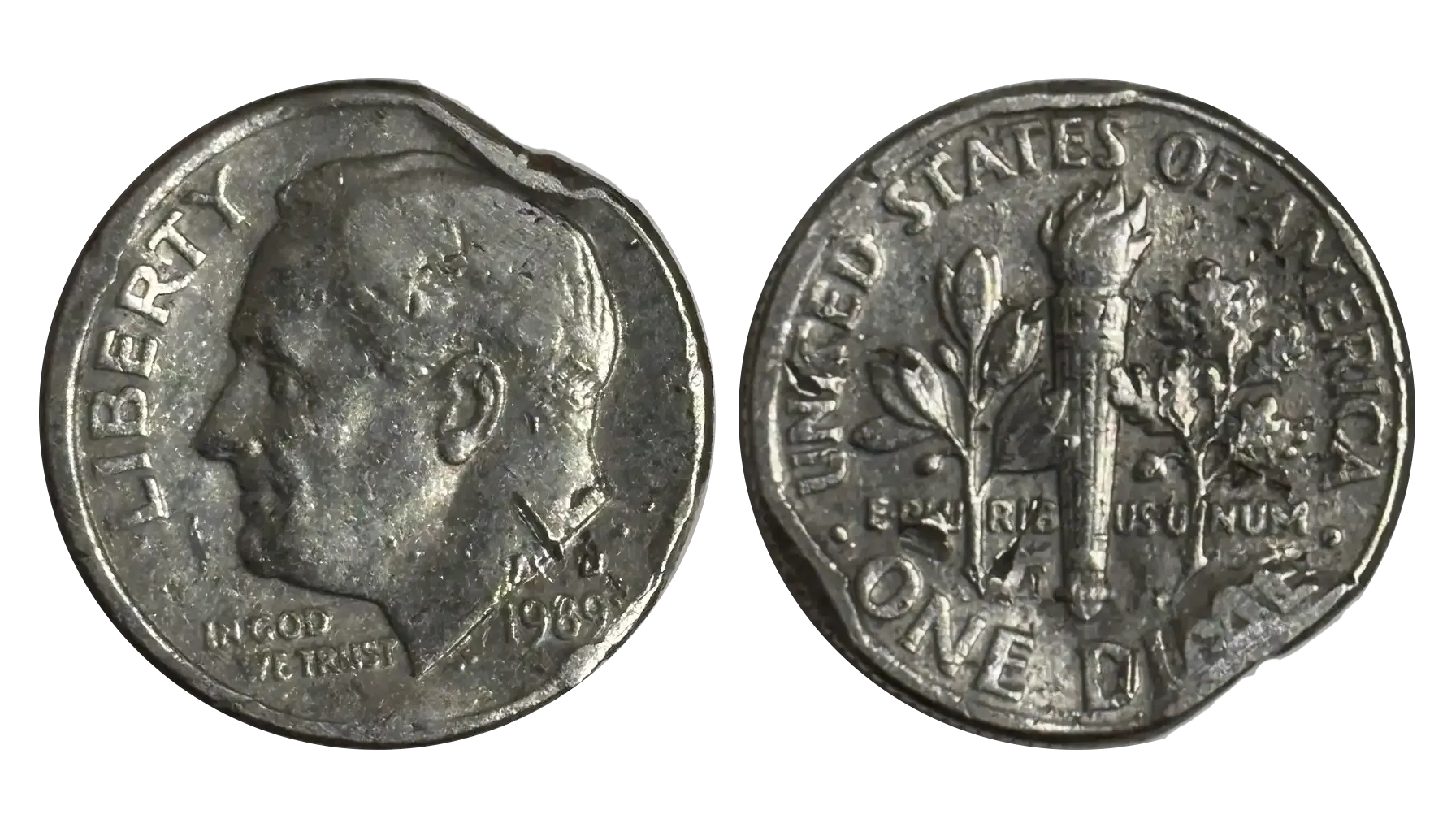
A clipped planchet occurs when the metal strip from which blanks are punched is fed improperly through the blanking press. The mechanical punch overlaps a hole that was previously punched out, creating a curved straight edge or ragged clip on the final coin.
What to look for: Look for a curved missing section on the rim of the 1989 dime. Genuine clips will show the "Blakesley effect"—a slight weakening of the design directly opposite the clip on the other side of the coin due to a lack of proper striking pressure in that area.
Value: Most single-clipped modern dimes trade between $10 and $25.
Tips for Searching and Verifying 1989 Dime Errors
If you are serious about finding these errors, you need the right tools and a systematic approach. Here are a few best practices:
Get a Coin Magnifier: A 10x or 20x jeweler's loupe is essential. The details on a dime are very small, and naked-eye inspections will miss almost all minor doubled dies and repunched mint marks.
Know the Difference Between Mint Errors and Post-Mint Damage (PMD): Many beginners mistake scratches, gouges, chemical corrosion, and dryer coin wear for mint errors. If a coin looks like it was damaged after leaving the mint (e.g., scraped metal, structural dents), it holds only face value.
Invest in Reference Guides: Compare your findings against trusted numismatic resources like the Cherrypickers' Guide to Rare Die Varieties or online error-variety databases.
Conclusion
While checking through a 1989 dime error list won't typically make you rich overnight, hunting for these varieties is an exciting and educational aspect of coin collecting. Whether you find a dramatic off-center strike, a neat broadstrike, or a subtle repunched mint mark, discovering a mint error adds a unique treasure to your collection.