1990 Most Valuable Baseball Cards: Junk Era Surprises
Understanding the Junk Wax Era

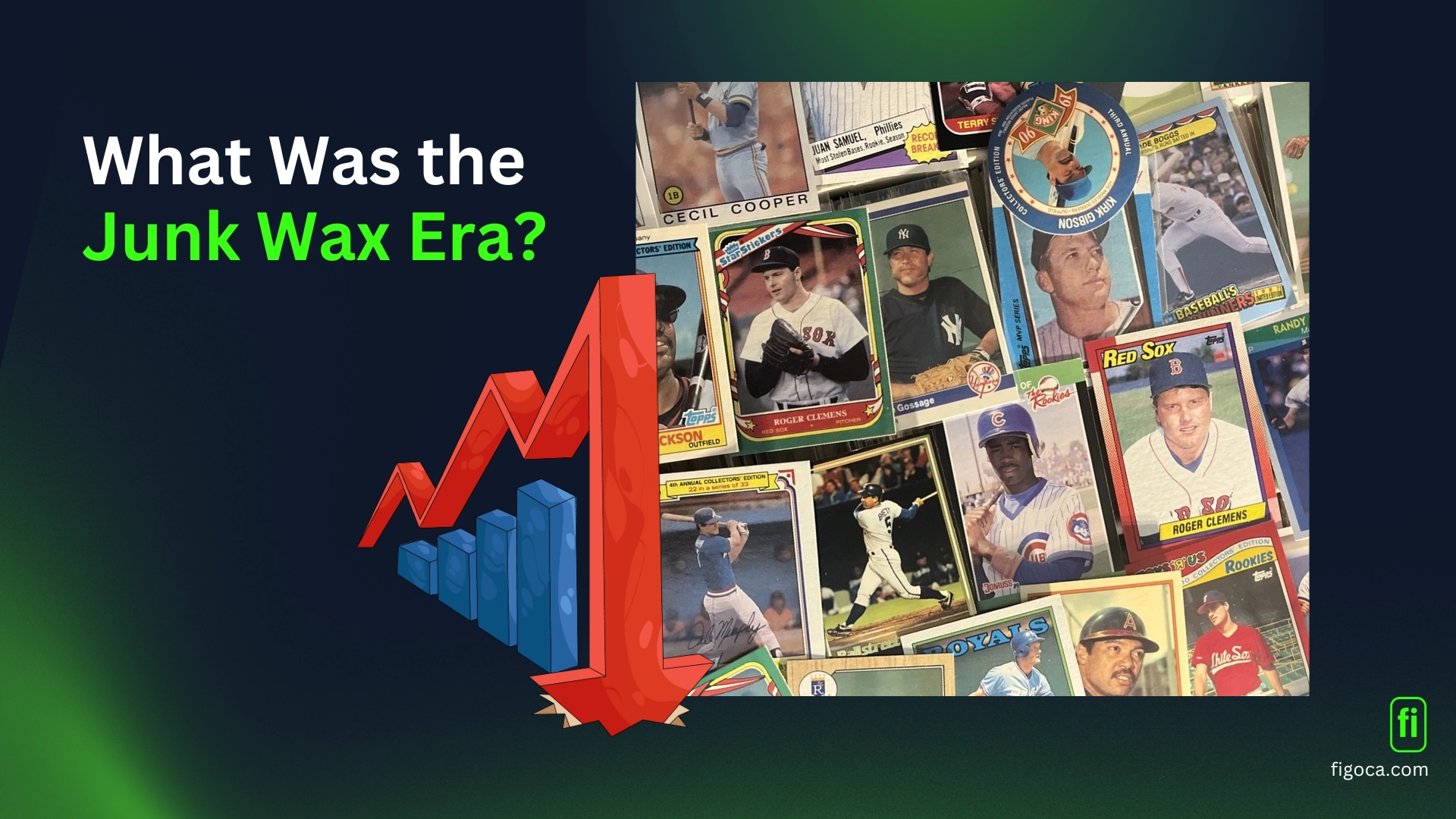
If you collected baseball cards between 1987 and 1994, your attic or closet likely holds thousands of them. This period, affectionately and cynically known by collectors as the "Junk Wax Era," was defined by massive overproduction. Companies like Topps, Donruss, Fleer, and Score pumped out millions of identical cards to meet soaring consumer demand. Because everyone assumed these pieces of cardboard would fund their retirement accounts, people stored them away in pristine condition, creating a massive supply glut that devastated market values for decades.
Yet, the hobby loves an underdog story. While 99% of cards from this era remain virtually worthless, the search for the 1990 most valuable baseball cards has taken a fascinating turn. Today, modern grading standards, printing anomalies, and a wave of 90s nostalgia have created a bizarre secondary market where certain cards from mass-produced sets command hundreds, or even thousands, of dollars.
The Titans of 1990: Rookies and Stars
To understand what makes a 1990 card valuable, we have to look at who entered the league or reached peak stardom at the dawn of that decade. The class of 1990 featured several generational talents whose cardboard is heavily pursued today, provided the condition is immaculate.
Key Players Driving Modern Demand
- Frank Thomas: The Hall of Fame slugger is the undisputed king of the 1990 rookie class. His cards anchor the value of several sets from this year.
- Ken Griffey Jr.: Though his true rookie cards are from 1989, his 1990 sophomore cards remain immensely popular among collectors.
- Sammy Sosa and Juan Gonzalez: Both sluggers had key early cards in 1990 sets that draw strong nostalgic interest.
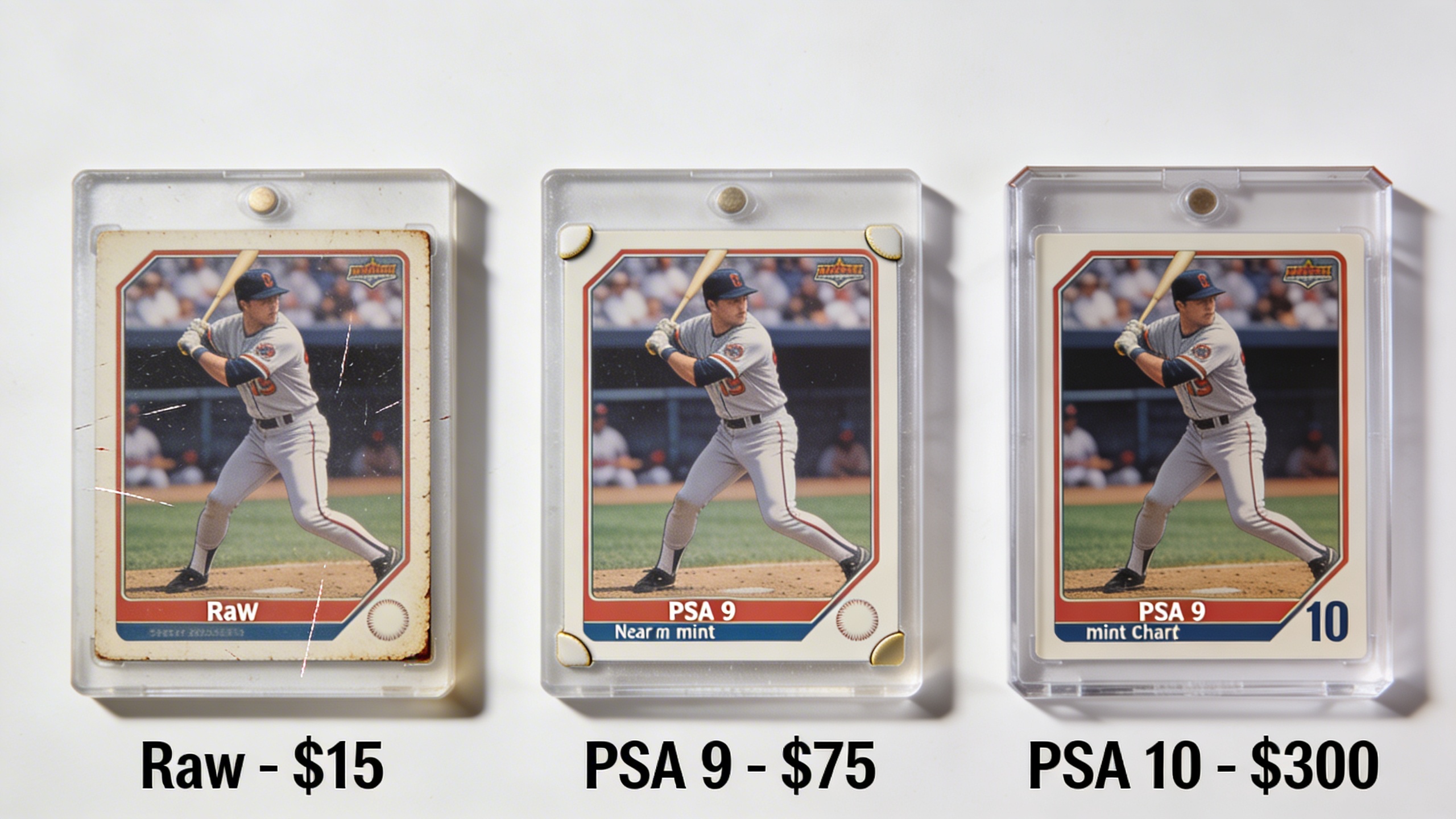
It is important to note that raw versions of these player cards usually sell for less than a dollar. Their value is almost entirely dependent on receiving a Gem Mint grade (PSA 10 or BGS 9.5) from a third-party grading service.
The Holy Grail: 1990 Topps Frank Thomas No Name on Front
No discussion of valuable 1990 cards is complete without mentioning the ultimate printing error of the era. The 1990 Topps Frank Thomas No Name on Front error card is the crown jewel of modern mass-production collecting.
During the printing process, a mechanical failure or a blocked plate caused the gold foil lettering of Thomas's name to vanish from the front of select copies of card number 414. Because Topps caught the error relatively quickly and pulled the sheet, only a limited number entered circulation. A PSA 9 or PSA 10 copy of this card can easily fetch anywhere from $10,000 to over $20,000 at major auction houses, proving that even in the Junk Wax Era, extreme scarcity could still happen.
Video: The Junk Wax Era Explained (Why These Baseball Cards Are So Cheap)

Other Notable Errors and Variations
Printing presses in 1990 were running twenty-four hours a day, leading to widespread quality control issues. Collectors love hunting for these historical blunders, which often carry higher price tags than the standard cards.
Fleer and Donruss Anomalies
Fleer's 1990 set features several famous errors, such as the Kevin Maas and Bill Ripken-adjacent variations, though none quite match the notoriety of Ripken's 1989 Fleer card. Meanwhile, Donruss featured several back-to-back numbering errors and missing ink variations. The 1990 Donruss error variants, particularly when found in flawless condition, regularly outperform their base counterparts on eBay.
Another quirky sub-market involves the 1990 Leaf set. Leaf was marketed as a premium product with a higher price point at release, using a glossy finish and a black-and-white card back. Key rookie cards in the 1990 Leaf set, particularly Frank Thomas and Sammy Sosa, command respectable prices in high grades because the card stock was prone to chipping along the dark borders.
The Power of Professional Grading
If you are digging through old shoe boxes looking for a payday, you must understand the mathematics of modern card grading. Because millions of 1990 cards were preserved in plastic sheets and cardboard boxes, the market is flooded with raw copies in "Near Mint" condition.
However, finding a card that scores a true Gem Mint 10 is exceptionally rare due to centering issues, rough factory-cut edges, and surface scratches inherent to 1990 manufacturing techniques. Grading a card costs money—often $20 to $40 per card—and unless a card has a realistic chance at a top-tier grade, the grading fee will exceed the market value of the card itself. Collectors should carefully inspect centering and edges with a magnifying loupe before submitting any 1990 cards for professional authentication.
Conclusion: Are 1990 Cards Worth Collecting?
The 1990 most valuable baseball cards remind us that collecting is driven as much by condition, rarity, and human error as it is by factory production numbers. While you likely won't fund your retirement with standard 1990 Topps or Fleer sets, hunting for rare errors like the Frank Thomas missing-name variation or grading pristine rookie cards offers a fun, low-cost entry point into the hobby. Check your old collections—you might just be sitting on a hidden treasure.