1996 Ford F150: The Ultimate OBS Truck Guide
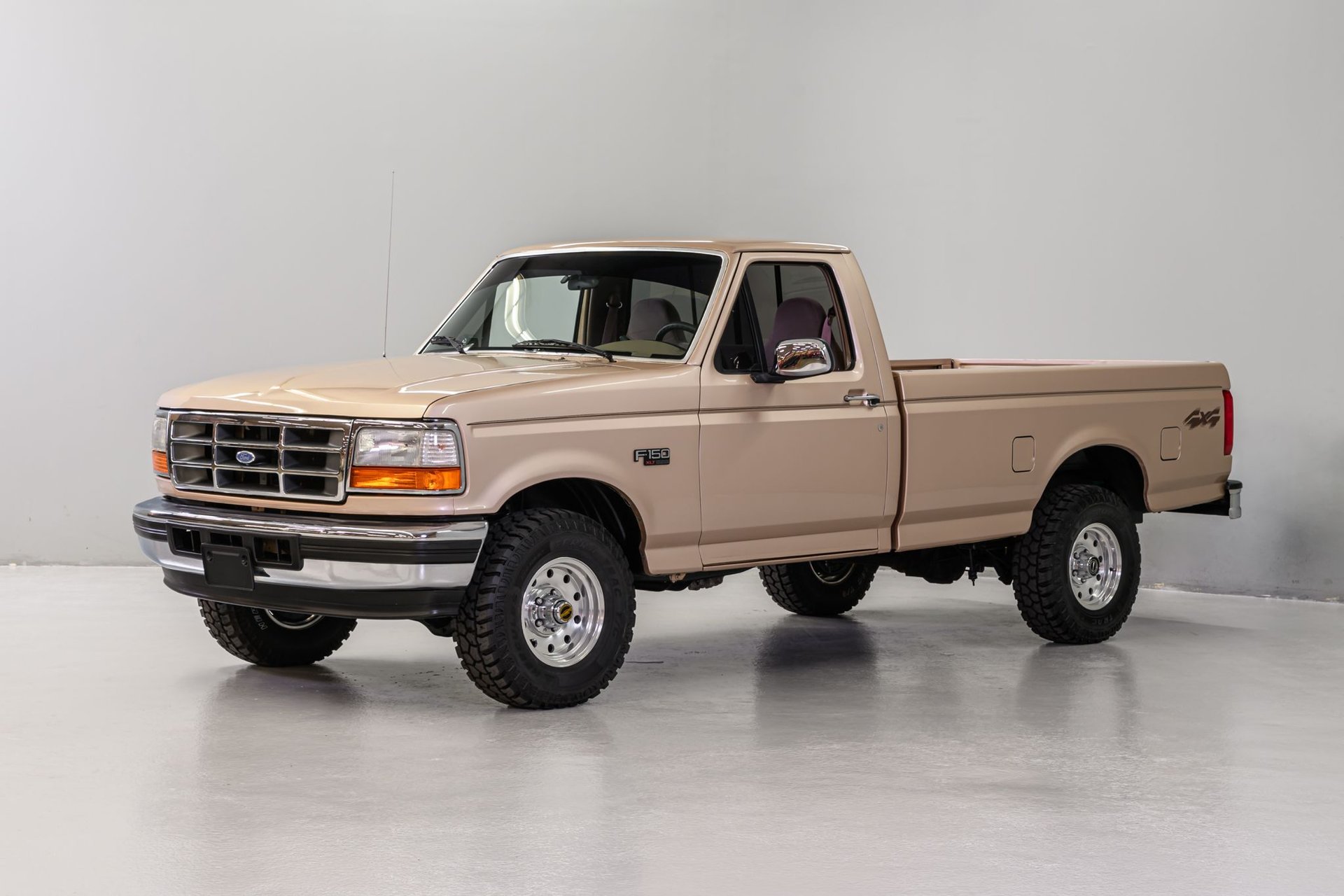
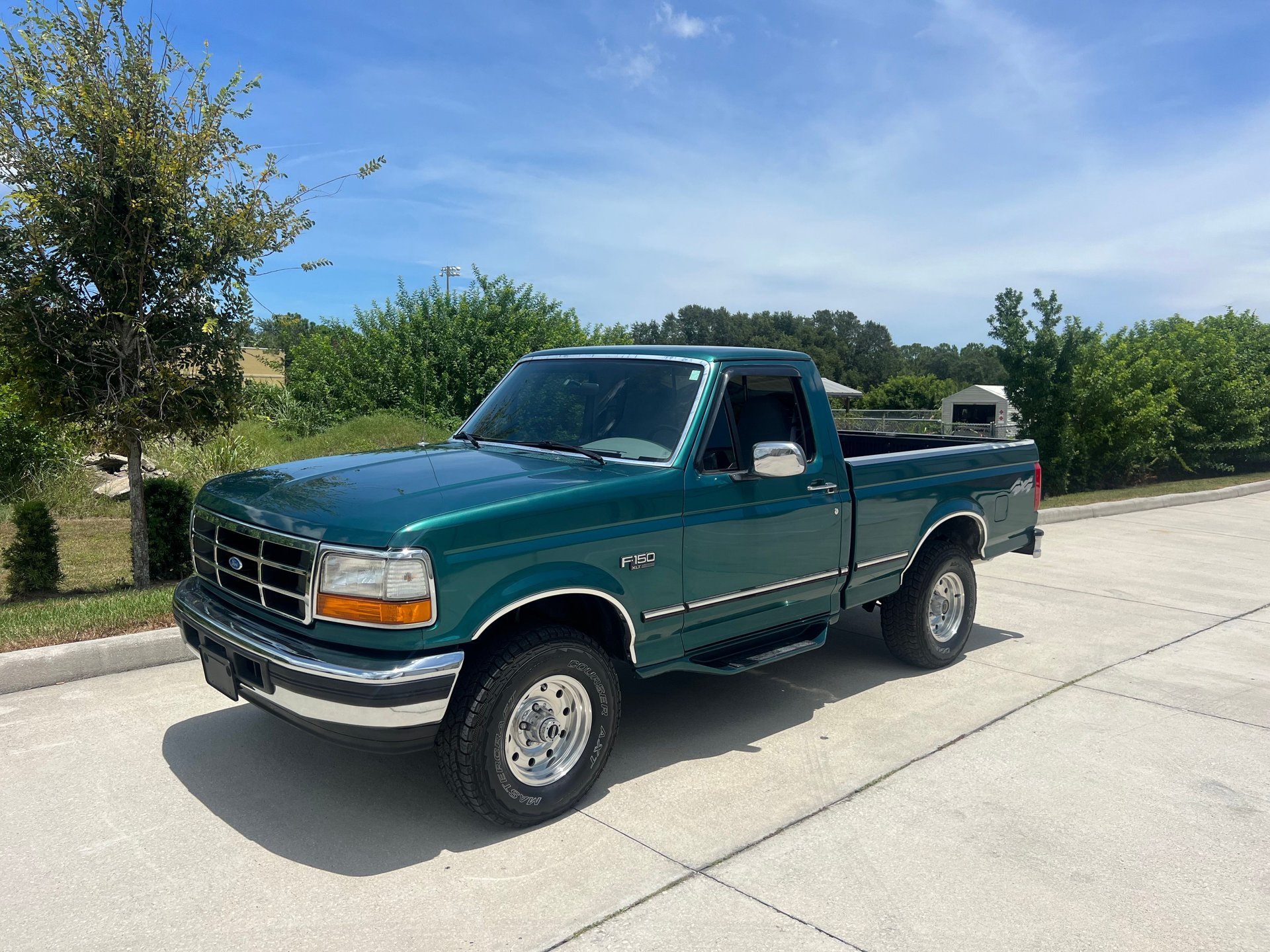
Few pickup trucks command as devoted a following as the 1996 Ford F150. Representing the grand finale of Ford’s ninth-generation F-Series—affectionately known among enthusiasts as the "OBS" (Old Body Style)—the 1996 model occupies a unique sweet spot in automotive history. It delivers classic, square-jawed American truck styling combined with just enough modern engineering to make it a dependable daily driver even decades later.
Whether you are considering buying an OBS project, restoring a family heirloom, or simply appreciating classic American steel, here is an in-depth breakdown of what makes the 1996 model year a standout pickup.
The Powertrain Lineup: Proven Pushrod Power
Under the hood of the 1996 F-150 sits one of three legendary pushrod engines. This was the final year Ford offered these classic powerplants in the half-ton lineup before transitioning to the modular overhead-cam 4.6L and 5.4L Triton V8s for 1997.
4.9L (300 CID) Inline-Six
Known across the truck world as virtually unkillable, the 4.9-liter straight-six prioritized low-rpm torque over high-horsepower sprints. Delivering 145 horsepower and 265 lb-ft of torque, this engine used gear-driven camshafts rather than a timing chain, removing a common point of mechanical failure. It remains a favorite for buyers who want an indestructible farm or utility workhorse.
5.0L (302 CID) Windsor V8
Shared with the Fox-body Mustang, the 5.0L V8 produced roughly 205 horsepower and 275 lb-ft of torque. It offered a smooth power band and a great exhaust note, along with immense aftermarket support. While not a heavy-duty towing champion, it provides plenty of power for everyday hauling and highway cruising.
5.8L (351 CID) Windsor V8
For those needing maximum towing performance from their half-ton truck, the 5.8-liter Windsor was the top-tier option. Generating 210 horsepower and 325 lb-ft of torque, this V8 provided noticeably superior low-end grunt for pulling horse trailers, boats, or equipment.
Why the 1996 Ford F150 Stands Out from Other OBS Years
While the ninth-generation F-Series ran from 1992 through 1996, the final model year brought critical updates that make it especially desirable today.
- OBD-II Diagnostics: The 1996 model was the first and only full production year of the OBS F-150 to feature government-mandated On-Board Diagnostics II (OBD-II) across most engine configurations (California models began slightly earlier). This makes diagnosing check engine lights with modern scan tools simple and inexpensive compared to the proprietary EEC-IV OBD-I systems of 1992–1995.
- Refined Electronics: Upgraded sensors, mass airflow (MAF) fuel management systems on more engine variants, and streamlined wiring harnesses improved drivability, throttle response, and emissions compliance.
- Peak Build Quality: Automakers typically refine assembly processes over a generation's lifecycle. By 1996, Ford had solved many of the early interior squeaks, seal failures, and panel gaps seen on earlier trucks.
Trim Levels and Cab Configurations
Ford offered the 1996 F-150 in several cab and bed combinations, accommodating everyone from bare-bones fleet managers to luxury-oriented commuters.

Cabs and Beds
Buyers could select between a two-door Regular Cab and a SuperCab (extended cab with rear jump seats or a fold-down bench). Bed options included standard 6.75-foot short beds and 8-foot long beds in traditional flat-sided "Styleside" designs or retro "Flareside" bodywork featuring rounded fiberglass rear fenders.
Trim Packages
- Special / XL: The stripped-down fleet and work truck package, featuring vinyl floors, manual crank windows, bench seats, and black or argent grilles.
- XLT: The most popular trim, adding chrome exterior accents, air conditioning, power windows and locks, cloth captain or 40/20/40 bench seating, and carpeted flooring.
- Eddie Bauer Edition: The luxury package featuring iconic two-tone paint with Tucson Bronze lower accents, premium patterned cloth interior, specialized badging, and full power convenience options.
Chassis and Suspension Architecture
Underneath the body, the 1996 truck rode on Ford's tried-and-true suspension systems. Two-wheel-drive models utilized the iconic Twin I-Beam independent front suspension, known for durability and a smooth ride over road undulations, though prone to camber changes as springs age.
Four-wheel-drive variants featured the Twin-Traction Beam (TTB) front axle setup paired with a Dana 44 differential. While some off-roaders prefer a solid front axle for extreme articulation, the TTB offered good highway comfort and respectable trail capability. In the rear, all models utilized a rigid leaf-sprung live axle—typically the robust Ford 8.8-inch rear end.
Common Issues and Inspection Points
Despite their legendary durability, these trucks are nearly three decades old. If you are shopping for a 1996 F-150, inspect these known trouble spots before making an offer:
- Body and Frame Rust: The most frequent rust areas are rear wheel arches, cab corners, lower door seams, and radiator core supports. Inspect the rear spring hangers and fuel tank straps beneath the truck, as road salt severely degrades these components.
- Dual Fuel Tank Problems: Models equipped with dual fuel tanks rely on internal check valves and a dash-mounted selector switch. A common failure causes fuel from one tank to be pumped into the other, causing overflows or fuel starvation.
- Front Suspension Bushings: The radius arm bushings and axle pivot bushings dry-rot over time, leading to clunking sounds over bumps, steering wander, and uneven front tire wear.
- Transmission Wear: Automatic trucks equipped with the 4-speed E4OD transmission should be checked for delayed gear engagement, slipping between second and third gear, or overheating. Fluid maintenance history is crucial here.
- Exhaust Manifold Leaks: The 4.9L and 5.8L engines frequently develop exhaust leaks due to warped manifolds or broken exhaust studs at the cylinder head.
Market Value and Collector Status
For years, the OBS F-150 was viewed merely as a cheap used vehicle. Today, values are rising rapidly as Generation X and Millennial buyers seek nostalgic, mechanically straightforward trucks that can be serviced without proprietary dealership software.
A running, rough work-grade 1996 F-150 can still be found for $3,000 to $5,000. However, clean, accident-free XLT or Eddie Bauer examples with low mileage and rust-free undercarriages regularly command anywhere from $12,000 to over $25,000 at collector auctions.
Final Thoughts
The 1996 model represents the end of an era. It was the final chapter in classic, straight-edged truck styling before aerodynamic bubbles took over full-size pickups. Combining modern OBD-II convenience with rugged cast-iron pushrod engines and straightforward mechanicals, this truck remains one of the most practical, handsome, and rewarding classic vehicles you can own today.