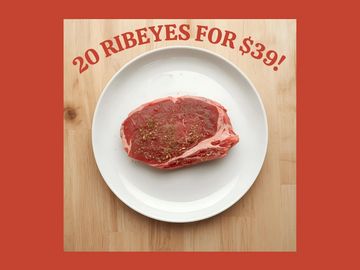
20 Ribeyes for $35: Is the Parking Lot Meat Deal Real?
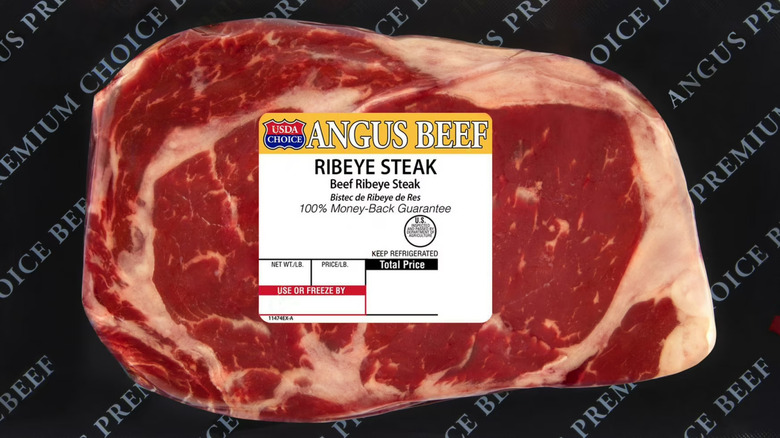
If you have ever driven past a gas station, strip mall, or fairground and seen a white refrigerated truck surrounded by fluttering vinyl banners, you have likely encountered the offer: 20 ribeyes for $35. At under two dollars per steak, it sounds like an unbeatable grocery victory in an era of surging food prices. After all, a standard Choice ribeye at a local supermarket regularly runs anywhere from $14 to $22 per pound.
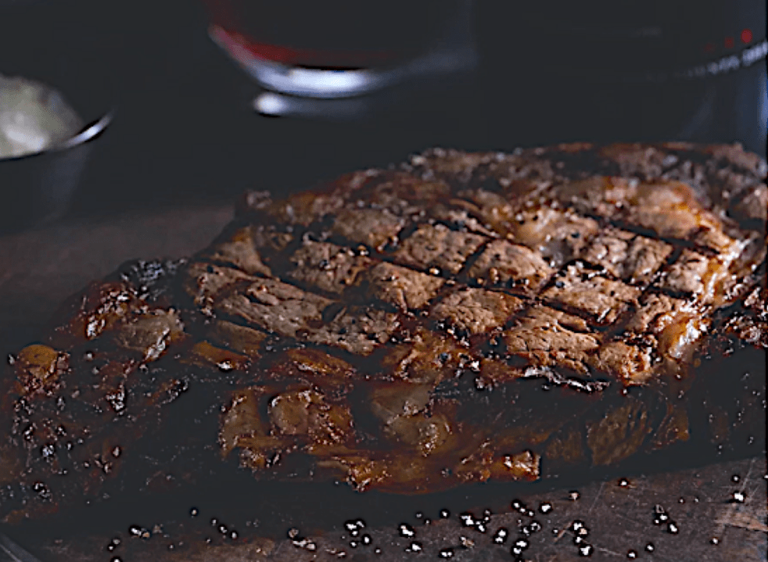
Before pulling into the parking lot with cash in hand, it pays to understand what is actually inside those cardboard cases. While these traveling meat sales are technically legal, the gap between what shoppers imagine and what ends up in their skillet is vast. Here is the unvarnished reality behind the viral promotion, how the math really breaks down, and what you should know before buying.
What You Actually Get with 20 Ribeyes for $35
The phrase “ribeye steak” conjures images of a thick, marbled, one-pound cut sizzling over charcoal. That is not what is in this box. To sell twenty cuts of beef for thirty-five dollars and turn a profit, vendors rely on three primary cost-cutting measures: size, grade, and processing.
1. Paper-Thin Portions
When you open the box, the first surprise is the portion size. Rather than standard 10-to-16-ounce cuts, these steaks typically weigh between 1.5 and 2.5 ounces each. They are sliced paper-thin—often less than a quarter-inch thick. In total, the entire box of 20 steaks generally weighs between 2 and 3 pounds.
2. High-Percentage Solution Injections
Check the ingredient label closely. Standard butcher-counter beef contains one ingredient: beef. Roadside promotional cuts, however, almost always feature a disclosure indicating that the meat has been “enhanced” or “basted” with up to a 20% to 30% solution of water, salt, sodium phosphates, and tenderizers. You are paying for beef-flavored water that steams out the moment the meat hits a hot pan.
3. Lower-Grade Beef
The USDA grades beef primarily as Prime, Choice, or Select based on marbling and maturity. Below these retail grades sit “Utility,” “Cutter,” and “Canner” grades, which are normally reserved for ground beef, processed snacks, or canned goods. The promotional steaks sold at truck events are typically made from ungraded or utility-grade cuts sourced from older dairy cattle or lean beef that lack natural tenderness and fat marbling.
The Math: Is $35 for 20 Steaks Actually Cheap?
The primary marketing trick is selling by the piece rather than by the pound. Supermarkets sell meat by weight so consumers can accurately evaluate value. When you convert the parking lot promotion into a per-pound price, the perceived bargain disappears quickly:
- Box cost: $35.00
- Total box weight: Approximately 2.5 lbs
- Effective price per pound: $14.00 per pound
- Effective price of real meat (accounting for 20% water weight): Roughly $17.50 per pound
At $14 to $17 per pound for low-grade, mechanically tenderized beef pumped with saline, this promotion is actually comparable to—or more expensive than—the regular retail price of fresh, whole USDA Choice ribeyes at warehouse clubs like Costco or Sam’s Club.

The Bait-and-Switch Business Model
The $35 box is what the retail industry calls a loss leader, or more accurately, foot-traffic bait. The sales staff stationed at these trucks do not work on hourly retail wages; they are almost universally working on high-commission sales. Their explicit objective is not to sell you the $35 box, but to move you away from it.
When you ask for the 20 ribeyes, the interaction generally follows a predictable script:
- The Reveal: The salesperson opens the box and points out how thin the promotional steaks are, openly admitting they are best suited for breakfast sandwiches or stir-fry.
- The Pivot: They immediately pivot to their “premium” line—filets, New York strips, or thicker ribeyes packed in larger vacuum-sealed variety cases.
- The Upsell: These packages are priced between $200 and $800. Sales reps use rapid-fire bundle discounts (“I’ll throw in two boxes of burgers and a box of chicken if you buy the rancher case today”) to push customers into making a large, impulsive credit card purchase.
Taste, Texture, and Food Safety
If you choose to buy the $35 box, managing expectations around cooking and flavor is essential. These cuts cannot be grilled like standard steakhouse cuts.
Because they are thin and injected with brine, putting them over high heat causes moisture to rapidly weep into the skillet. The meat boils in its own liquid rather than searing, resulting in a greyish exterior and a rubbery, spongy texture. Furthermore, because these steaks undergo mechanical tenderization (piercing with tiny needles to break tough fibers), surface bacteria can be pushed deep into the center of the meat. Food safety guidelines recommend cooking mechanically tenderized beef to a minimum internal temperature of 145°F followed by a rest, meaning you cannot safely serve them rare or medium-rare.
How to Use Them if You Already Bought Them
If you have a box in your freezer, don’t throw it away. While they make poor standalone steaks, their thin profile makes them usable in dishes where the beef is heavily seasoned and cut across the grain:
- Philly Cheesesteaks: Sliced into ribbons, cooked quickly with onions and peppers, and covered in melted provolone or cheese sauce.
- Quick Beef Tacos: Seared in hot oil with cumin, chili powder, and lime juice for street-style tacos.
- Fried Rice or Stir-Fry: Tossed with ginger, garlic, soy sauce, and high-heat vegetables.
Better Ways to Save on Ribeye Steaks
You do not need to rely on roadside vendors to find affordable beef. If your goal is to lower your meat bill without sacrificing quality, consider these proven butcher strategies:
- Buy Whole Subprimals: Purchase a whole, vacuum-sealed boneless ribeye loin (often 12–15 pounds) at wholesale club stores. Slicing it at home with a sharp knife yields 12 to 14 thick, restaurant-quality Choice steaks for $8 to $11 per pound, with zero added water.
- Shop Holiday Cycles: Supermarkets run aggressive loss-leader sales on whole rib roasts during Easter, Thanksgiving, and Christmas, frequently dropping prices to $6.99–$8.99 per pound. Buy the whole roasts and cut them into individual ribeyes to freeze for the year.
- Try Alternative Cuts: Look for chuck eye steaks (often called the “poor man’s ribeye”). Cut from right next to the rib primal, chuck eye offers identical beefy flavor and excellent marbling at nearly half the price.
The Bottom Line
The promise of 20 ribeyes for $35 sounds appealing, but the reality is a clever marketing maneuver. You receive a small quantity of heavily processed, utility-grade beef that costs more per pound than fresh meat from your local supermarket. When it comes to quality steak, if an offer seems too good to be true, it almost certainly is.