2PM KST to CST Time Conversion Guide
Coordinating across international time zones can be tricky, especially when dealing with regions on opposite sides of the globe. If you are trying to figure out what time it is when it strikes 2pm KST to CST, you need to account for a significant geographical and chronological gap. South Korea and the Central region of North America operate on completely different schedules, making proper conversion essential for successful communication.

Understanding the Time Zones: KST vs. CST
Before jumping into the math, it helps to understand what these two acronyms stand for and where they apply. Time zone confusion often arises because abbreviations can sometimes represent multiple regions, but in standard global commerce, they refer to specific offsets from Coordinated Universal Time (UTC).
What is KST?
KST stands for Korea Standard Time. It is used throughout South Korea and is consistently set at UTC+9. Unlike many Western countries, South Korea does not observe Daylight Saving Time (DST). This means the time offset remains static year-round, making calculations involving KST relatively straightforward once you know your local offset.
What is CST?
CST most commonly stands for Central Standard Time, observing an offset of UTC-6 in North America. This zone covers parts of the United States, Canada, and Mexico (such as Chicago, Houston, Winnipeg, and Mexico City). However, during the warmer months, these regions shift to Central Daylight Time (CDT), which changes the math.
Converting 2pm KST to CST
When South Korea is on standard time and North America is observing standard time (during the winter months), KST is exactly 15 hours ahead of CST.
- KST offset: UTC+9
- CST offset: UTC-6
- Total time difference: 15 hours
To convert 2:00 PM KST to CST during the standard winter months, you subtract 15 hours from 2:00 PM. Alternatively, you can count backward: 2:00 PM minus 12 hours brings you to 2:00 AM the same day, and subtracting 3 more hours brings you to 11:00 PM of the previous day.
Therefore, when it is 2:00 PM on a Tuesday in Seoul, it is 11:00 PM on a Monday in Chicago.

The Daylight Saving Time Complication
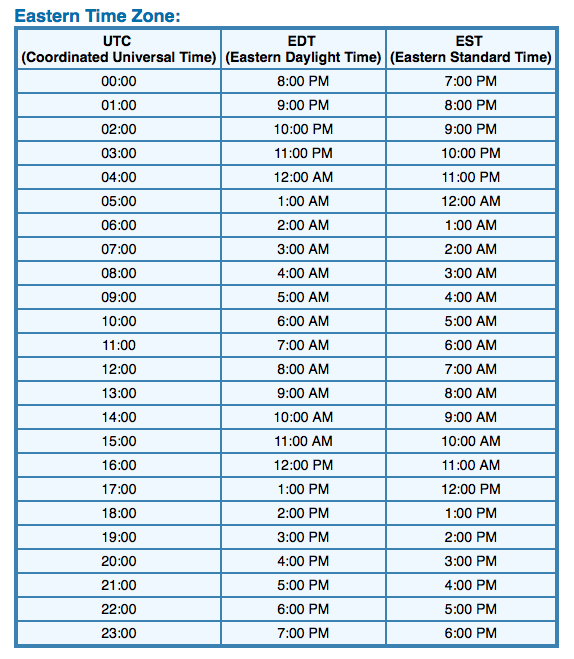
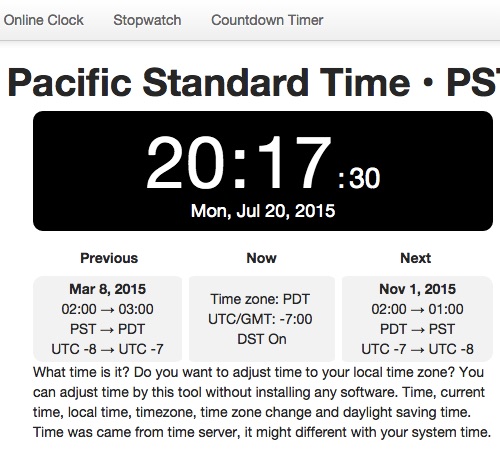
The 15-hour difference is not always constant throughout the entire year. While South Korea never changes its clocks, North American regions observing Central Time do practice Daylight Saving Time (DST).
How CDT Affects the Conversion
From the second Sunday in March to the first Sunday in November, North America shifts forward by one hour to Central Daylight Time (CDT, UTC-5). When CST becomes CDT, the time difference between South Korea and the Central time zone shrinks from 15 hours to 14 hours.
- KST offset: UTC+9
- CDT offset: UTC-5
- Total time difference: 14 hours
If you perform the conversion during the summer months, you subtract 14 hours from 2:00 PM KST. Counting backward: 2:00 PM minus 12 hours is 2:00 AM, and subtracting 2 more hours leaves you at 12:00 AM (midnight) of the same day (technically transitioning from Monday night into Tuesday morning).
Quick Reference Table for KST to Central Time
To make your international scheduling easier, use this quick reference table comparing Korea Standard Time to the North American Central time zone across different seasons:
- 2:00 PM KST (Winter / CST): 11:00 PM (Previous Day)
- 2:00 PM KST (Summer / CDT): 12:00 AM / Midnight (Same Day transition)
- 9:00 AM KST (Winter / CST): 6:00 PM (Previous Day)
- 9:00 AM KST (Summer / CDT): 7:00 PM (Previous Day)
Practical Tips for Scheduling Across Time Zones
Managing a schedule between South Korea and the Central time zone requires careful planning to avoid missing meetings or waking people up in the middle of the night.
- Double-check the calendar date: Because of the 14 to 15-hour gap, business hours in Seoul (morning and afternoon) usually correspond to late evening hours in the Central time zone of the Americas. Always verify whether your meeting falls on the current day or the previous day.
- Account for DST transition weeks: Because the US and Canada change their clocks in March and November while South Korea does not, there are a few weeks every year where standard calculations might throw off your calendar invites by an hour. Always use a reliable timezone converter tool during these transition periods.
- Utilize overlapping hours: Finding a mutual meeting window can be tough. Early morning in the US Central zone (7:00 AM to 9:00 AM CST) maps to late evening in South Korea (9:00 PM to 11:00 PM KST), which is often the best window for remote teams to connect.
Conclusion
Converting 2pm KST to CST comes down to a simple 15-hour subtraction during the winter months, dropping to 14 hours during the summer when North America shifts to daylight saving time. By keeping these offsets in mind and double-checking your calendar dates, you can seamlessly manage international appointments, live streams, and global communications without missing a beat.