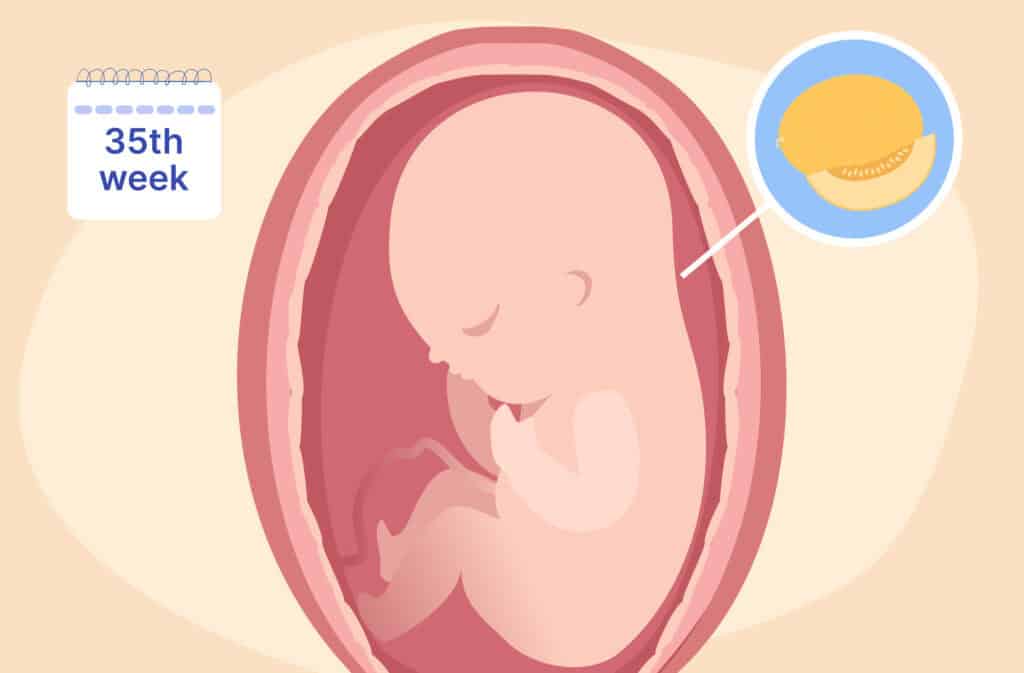
35 Weeks Cramping: Causes, Signs, and When to Call
Reaching the 35-week mark of pregnancy is a major milestone. You are officially in the late third trimester, and your body is working overtime to prepare for birth. However, as your belly grows and your baby moves into position, you may start feeling new and unfamiliar sensations. If you are noticing 35 weeks cramping, it is completely normal to feel concerned and look for answers.

Is Cramping Normal at 35 Weeks?
Mild cramping, tightness, or pressure at 35 weeks can be a normal part of late-stage pregnancy. Your uterus is rapidly changing, stretching, and occasionally practicing for the big day. However, because cramping can also be an early sign of preterm labor or other pregnancy complications, it should never be completely ignored.
Understanding the difference between benign late-pregnancy aches and signs of active labor is essential for your peace of mind and the safety of your baby.
Common Causes of 35 Weeks Cramping
There are several physiological reasons you might feel menstrual-like cramps, aching, or pressure at 35 weeks pregnant. Most of these causes are harmless, though they can certainly cause discomfort.
1. Braxton Hicks Contractions
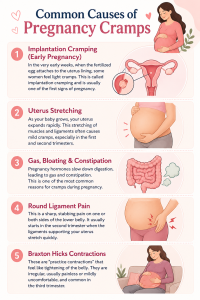
Often referred to as "false labor," Braxton Hicks contractions are your body's way of toning the uterine muscles. At 35 weeks, these practice contractions become more frequent and noticeable. They usually feel like a tight, uncomfortable squeezing across your abdomen, but they are irregular, unpredictable, and typically go away if you change positions, rest, or drink a large glass of water.
2. Round Ligament Pain
The thick ligaments that support your uterus are stretched to their absolute limits by week 35. Sudden movements, rolling over in bed, or standing up too quickly can cause a sharp, cramping, or pulling sensation in your lower abdomen or groin, usually on one side.
3. Lightening and Baby's Positioning
Video: I'm 35 weeks pregnant. The pressure on my stomach is so painful, and my hips hurt. Is this normal?
Around 35 weeks, your baby may begin dropping lower into your pelvis in preparation for birth—a process known as lightening. As the baby shifts downward, they put increased pressure on your cervix, bladder, and pelvic floor muscles, resulting in dull cramping or pelvic pressure.
4. Gastrointestinal Issues
Digestive slowdown is common throughout the third trimester due to pregnancy hormones and a crowded abdominal cavity. Gas, bloating, constipation, and mild food indigestion can easily mimic or trigger uterine cramping.
When Cramping Signals Labor or Complications
While many causes of cramps are harmless, week 35 is considered late preterm. If labor begins now, your baby will likely be healthy, but they may still need some specialized care in the neonatal intensive care unit (NICU). It is vital to recognize when cramping is a sign of actual labor rather than routine discomfort.
Signs of Preterm Labor
- Regularity: Contractions that become increasingly frequent, rhythmic, and close together.
- Increasing Intensity: Cramps or tightenings that steadily grow stronger and more painful over time.
- Lack of Relief: Pain that does not subside when you rest, lie down, hydrate, or change positions.
- Lower Back Ache: A dull, persistent ache in your lower back that wraps around to your front.
- Pelvic Pressure: A heavy, sinking feeling as though the baby is pushing down.
Red Flag Symptoms: When to Call Your Doctor Immediately
You should contact your obstetrician, midwife, or head straight to labor and delivery if your 35 weeks cramping is accompanied by any of the following red flag symptoms:
- Bright red vaginal bleeding or spotting
- A gush or steady leak of watery fluid (signifying ruptured membranes)
- Decreased fetal movement (if your baby is not moving as much as usual)
- Fever, chills, or flu-like symptoms
- Severe, sharp, or constant abdominal pain that does not let up
How to Find Relief at Home
If your healthcare provider has evaluated you and confirmed that your cramping is benign (such as Braxton Hicks or round ligament pain), you can try several safe methods to soothe the discomfort:
- Hydrate: Dehydration is a primary trigger for uterine irritability. Drink a large glass of water and rest.
- Change Positions: If you have been sitting or standing for a long time, lie down on your left side to improve blood flow to the uterus.
- Take a Warm Bath: Soaking in a warm (not hot) tub can help relax tense muscles.
- Empty Your Bladder: A full bladder can crowd the uterus and cause cramping sensations.
- Practice Deep Breathing: Focus on slow, rhythmic breathing to help your body relax during uncomfortable tightenings.
Final Thoughts
Experiencing 35 weeks cramping can certainly cause anxiety, but it is frequently just your body preparing for the final stretch of pregnancy. Always listen to your maternal instincts. If something feels off, or if you are ever in doubt about what you are feeling, do not hesitate to call your healthcare provider. They are always available to offer guidance and ensure both you and your baby remain safe.