35 Weeks Pregnant: Symptoms Not to Ignore
By the time you reach week 35, the finish line is in sight. Your baby weighs around 5.5 pounds, measures roughly 18 inches, and is rapidly packing on fat to prepare for life outside the womb. With your uterus expanding up under your rib cage, everyday aches like pelvic pressure, mild back pain, and fatigue are entirely normal. However, knowing the 35 weeks pregnant symptoms not to ignore can protect both you and your baby during these final, crucial weeks.

While your body naturally gears up for labor, certain symptoms indicate underlying complications such as preeclampsia, placental issues, infection, or preterm labor. Here is a definitive guide to the red flags that warrant a call to your obstetrician or an immediate visit to labor and delivery.
Key 35 Weeks Pregnant Symptoms Not to Ignore
At 35 weeks, your baby is considered late preterm. If delivery happens now, outcomes are generally excellent, but medical interventions are still vital. If you experience any of the following signs, seek medical evaluation right away.
1. Decreased Fetal Movement
One of the most persistent myths of late pregnancy is that babies "run out of room" and therefore move less. While their movements may shift from sharp kicks to rolling or stretching sensations, the frequency and strength should never decrease.
- The baseline: You should feel roughly 10 distinct movements within a two-hour window when focusing on kick counts.
- When to act: If your baby feels distinctly quieter than usual, does not respond to a cold drink or a light snack, or fails to hit their usual activity pattern, go to labor and delivery immediately. A decrease in movement can be a sign of placental insufficiency or fetal distress.
2. Signs of Preeclampsia
Preeclampsia is a serious blood pressure disorder that can develop rapidly in the late second and third trimesters. It restricts blood flow to the placenta and can damage your kidneys, liver, and brain if left unmanaged.
Watch for this cluster of symptoms:
- A severe, throbbing headache that does not respond to acetaminophen or hydration
- Visual disturbances, such as flashing lights, floaters, aura, or temporary blurriness
- Sudden, pronounced swelling (edema) in your face, hands, or around your eyes
- Persistent, sharp pain in your upper right abdomen, just beneath your ribs
- Sudden shortness of breath or nausea late in pregnancy
3. Vaginal Bleeding
While light spotting can occasionally occur after a cervical exam or intercourse, heavy or bright red vaginal bleeding is never normal at 35 weeks. Significant bleeding can indicate:
- Placental abruption: The placenta separates prematurely from the uterine wall, which is often accompanied by continuous abdominal rigidity and pain.
- Placenta previa: The placenta covers part or all of the cervix, posing a risk of severe hemorrhage.
- Cervical change: A pinkish or brownish discharge mixed with mucus may be your mucus plug or "bloody show." While common as the cervix softens, heavy flow resembling a period requires urgent assessment.
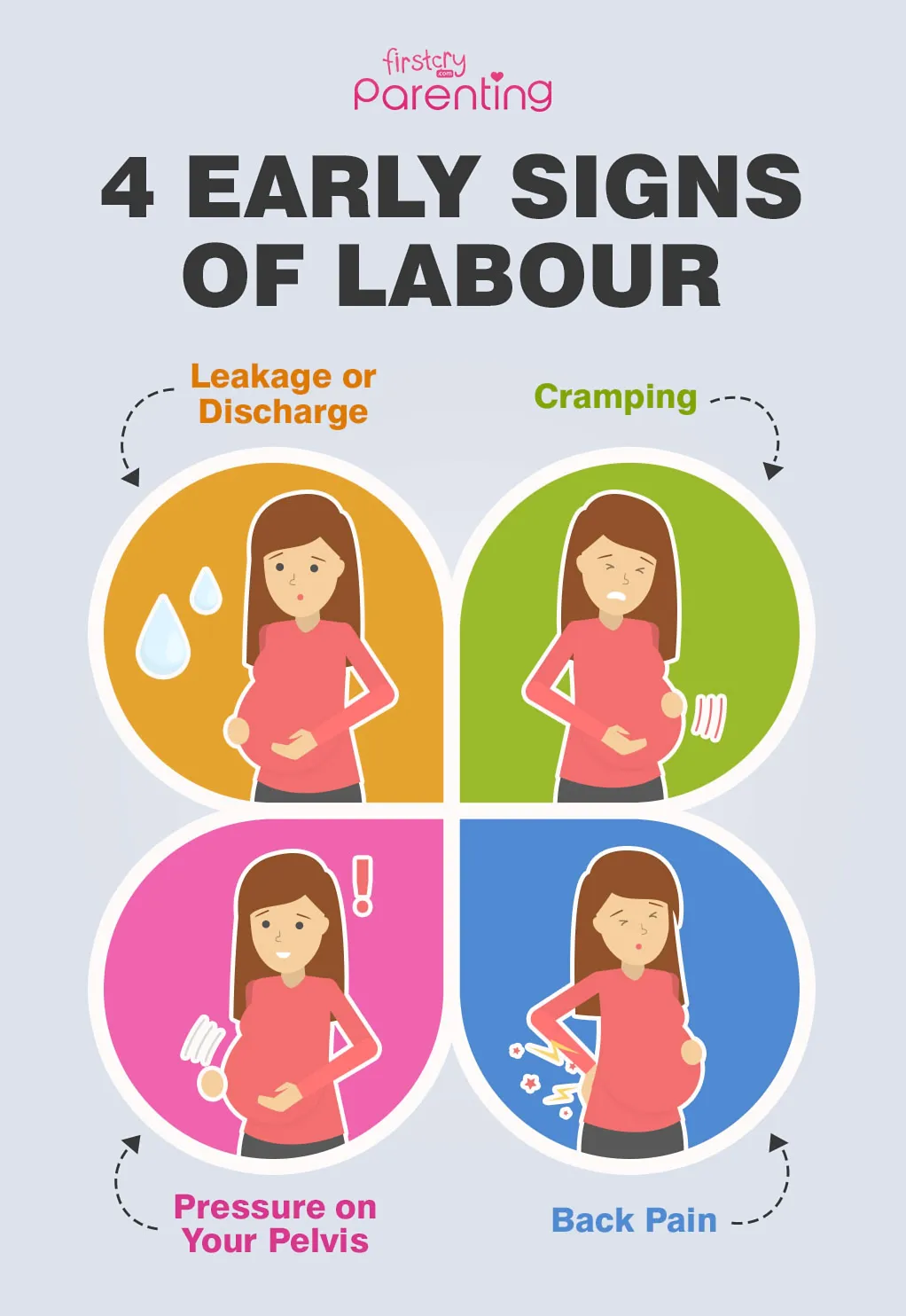
4. Leaking or Gushing Fluid
It can be surprisingly tricky to distinguish between watery discharge, accidental bladder leaks, and amniotic fluid at this stage. However, a rupture of membranes (water breaking) at 35 weeks means your protective barrier against infection has opened.
Amniotic fluid is typically clear, pale straw-colored, or faintly pink-tinged, and it usually has a sweet or neutral odor. Unlike urine, you cannot stop the flow by clenching your pelvic floor muscles. If you experience a sudden pop and gush, or a steady trickle that dampens your underwear continuously, call your triage line.

5. Regular, Painful Contractions
Braxton Hicks contractions are common practice contractions. They are typically irregular, painless or mildly uncomfortable, concentrate in the front of your abdomen, and fade when you change positions or drink water.
Real contractions behave differently. Contact your healthcare provider if you experience:
- Contractions that grow progressively longer, stronger, and closer together
- Tightening sensations that occur every 5 to 10 minutes for more than an hour
- Intense, low back pain or pelvic pressure that comes in waves
- Cramping similar to severe menstrual cramps, possibly accompanied by diarrhea
6. Severe or Persistent Itching (Without a Rash)
Mild itching across a stretching belly is standard. However, intense, unbearable itching—especially on the palms of your hands and the soles of your feet—can be a symptom of intrahepatic cholestasis of pregnancy (ICP).
Cholestasis is a liver condition where bile acids build up in the bloodstream. It poses genuine risks to the fetus, including preterm birth and stillbirth, and typically requires monitoring or early induction. Because itching is often worse at night and presents without an obvious rash, it is frequently overlooked.
7. Fever, Chills, or Foul-Smelling Discharge
A fever of 100.4°F (38°C) or higher, especially when paired with flu-like body aches, uterine tenderness, or unusual vaginal discharge, points to a bacterial or viral infection. Chorioamnionitis (an infection of the amniotic fluid and membranes) or a severe urinary tract infection can trigger early labor and needs rapid antibiotic treatment.
Normal Late-Pregnancy Aches vs. Medical Emergencies
Because the third trimester brings widespread physical strain, distinguishing standard discomfort from warning signs can feel overwhelming. Here is a quick reference to help clarify common sensations:
- Swollen ankles: Normal if it develops gradually by the end of the day and eases with elevation. Abnormal if sudden, pitting, or extending rapidly to your hands and face.
- Shortness of breath: Normal when climbing stairs, as the uterus presses your diaphragm. Abnormal if sudden, occurring at rest, or paired with chest tightness.
- Pelvic ache: Normal as your pelvis widens and relaxes under the hormone relaxin. Abnormal if accompanied by rhythmic back pain and regular tightening.
What to Do If You Notice Warning Signs
Never hesitate or feel embarrassed about contacting your maternity team. Labor and delivery units operate 24/7 specifically to triage symptoms like these.
- Do not wait for your next appointment: If your regular clinic is closed, call the hospital's labor and delivery triage line directly.
- Track specific details: Note what time the symptoms started, how often contractions or fluid leaks occur, and when you last felt definitive movement.
- Keep your hospital bag and records nearby: At 35 weeks, having your ID, insurance card, and birth preferences ready ensures a smooth evaluation if you are admitted for monitoring.
Trust Your Intuition
Medical checklists are valuable tools, but your maternal instinct matters just as much. If something feels fundamentally off—even if your symptoms seem vague or do not fit neatly into a category—reach out to your doctor or midwife. Peace of mind is critical in late pregnancy, and checking on your baby's wellbeing is always the right call.