4 Most Commonly Transported Hazmat at McLane
Understanding Hazardous Materials in Food and Convenience Logistics

McLane Company is one of the largest supply chain services leaders in the United States, providing grocery and foodservice supply chain solutions to convenience stores, mass merchants, drug stores, and chain restaurants. Because McLane distributes a vast inventory of consumer goods, household items, and automotive products, their massive fleet frequently handles regulated goods. Knowing the 4 most commonly transported hazmat at McLane helps drivers, warehouse staff, and supply chain professionals understand the unique safety, regulatory, and handling requirements involved in modern distribution.
Transporting hazardous materials requires strict adherence to Department of Transportation (DOT) guidelines, Occupational Safety and Health Administration (OSHA) standards, and specialized driver training. While industrial freight carriers might haul heavy chemicals or explosives, a nationwide grocery and convenience distributor like McLane primarily moves retail-ready hazardous materials. These are items sold directly to consumers but classified as hazardous due to their chemical makeup, flammability, aerosol properties, or potential environmental hazards.
Regulatory Compliance and Fleet Safety Standards
Before examining the specific commodities, it is essential to look at how a distributor of McLane's scale manages risk. Every driver operating a commercial motor vehicle carrying hazardous materials must hold a valid Commercial Driver's License (CDL) with a hazardous materials (H) endorsement. Furthermore, shipments must be properly classified, packaged, marked, labeled, and documented on shipping papers.
Warehouses utilize specialized storage protocols to segregate incompatible chemicals, preventing dangerous reactions in the event of a spill. Let's break down the primary hazardous categories that make up the daily manifest for this distribution network.
The 4 Most Commonly Transported Hazmat at McLane
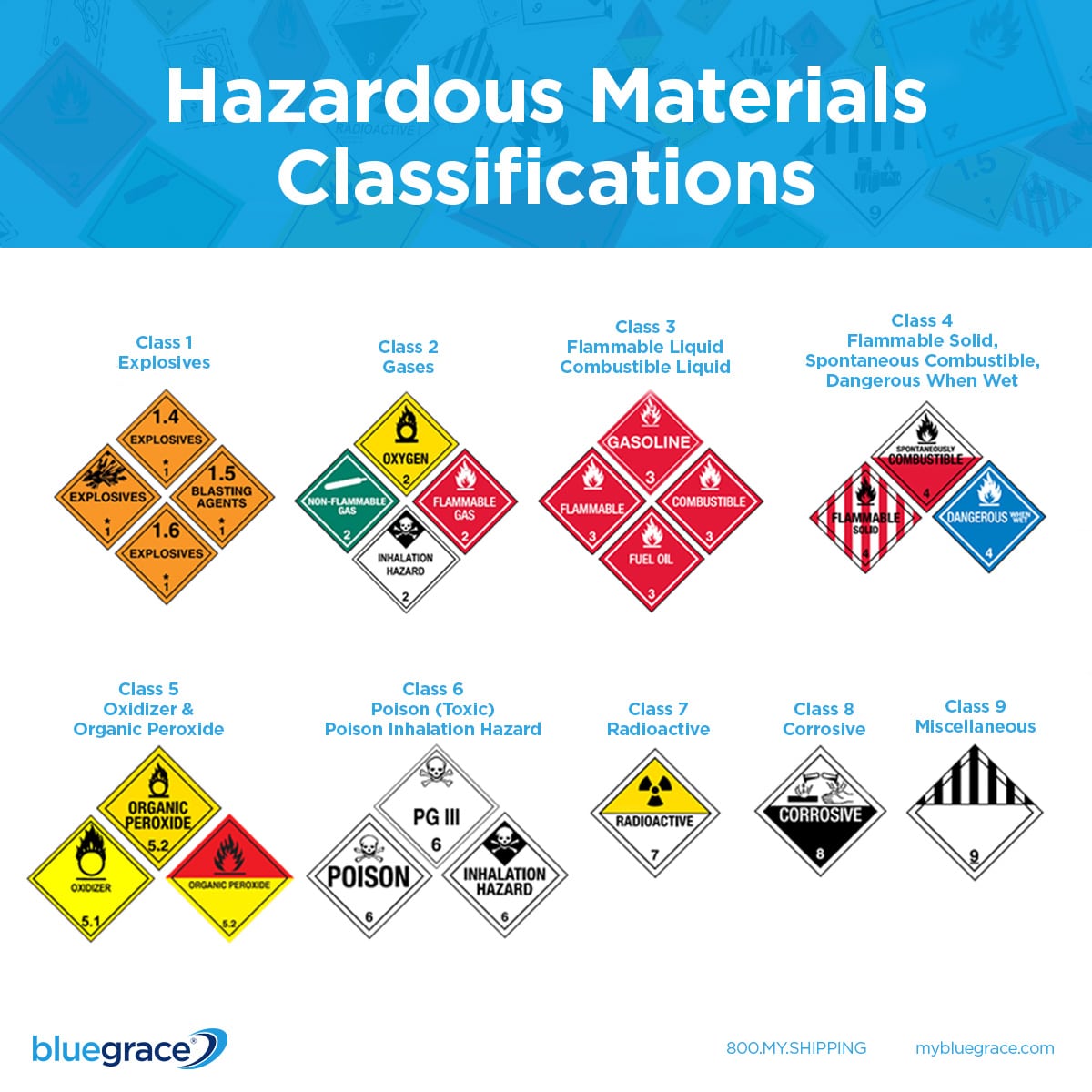
When analyzing supply chain manifests and distribution center inventory across McLane's network, four specific classes or types of hazardous materials dominate the daily volume.
1. Aerosol Products (Class 2.1 Flammable Gases / Class 2.2 Non-Flammable Gases)
By sheer volume, aerosol products represent the most frequently transported hazardous material in the convenience and retail supply chain. This category includes a wide variety of household and automotive goods found on standard retail shelves, such as:
- Spray paints and automotive lubricants
- Hair sprays, deodorants, and shaving creams
- Disinfectant sprays and air fresheners
- Insecticides and bug repellents
Aerosols are pressurized containers that pose a physical hazard if exposed to extreme heat or puncture. Under DOT regulations, most retail aerosols fall under "Limited Quantity" exceptions, which streamline packaging and labeling requirements while maintaining high safety standards. However, warehouse workers and delivery drivers must still handle pallets containing aerosols with care to prevent crushing or dropping.
2. Flammable Liquids (Class 3)
Convenience stores and mass merchants rely heavily on McLane for everyday consumer chemicals that fall under Class 3 flammable liquids. These products have a flash point of not more than 60°C (140°F), making them susceptible to ignition if exposed to an open flame or spark. Common examples in the McLane inventory include:
- Isopropyl alcohol and hand sanitizers
- Nail polish remover and acetone-based products
- Windshield washer fluid and fuel additives
- Charcoal lighter fluid and camping fuel
Because many of these items are high-turnover consumer goods, they are shipped in high quantities. Strict pallet-building rules apply—such as keeping flammable liquids away from oxidizers and ensuring proper layering with slip sheets and shrink-wrap to prevent shifting during transit.

3. Automotive Batteries and Wet Electric Storage Batteries (Class 8 Corrosive Materials)
McLane supplies convenience stores and travel centers with automotive essentials, including replacement batteries. Lead-acid storage batteries contain sulfuric acid, which is classified as a Class 8 corrosive material. When damaged, these batteries can leak electrolyte solution, causing severe chemical burns and damaging vehicle equipment.
Transporting these batteries requires specialized securement systems to prevent tipping, short-circuiting, or acid leaks. Drivers must inspect loads regularly, and distribution centers must maintain spill kits and neutralizers in storage areas designated for automotive inventory.
4. Consumer Commodity / ORM-D and Limited Quantity Cleaners
The fourth major category encompasses various cleaning agents, bleach solutions, drain openers, and household chemicals classified as corrosive or irritant materials. In retail distribution, these are frequently managed under the "Limited Quantity" or legacy ORM-D (Other Regulated Materials) designations.
This group includes:
- Bleach-based household surface cleaners
- Oven cleaners and heavy-duty degreasers
- Toilet bowl cleaners containing hydrochloric or phosphoric acid
- Ammonia-based window cleaning solutions
Mixing incompatible cleaners—such as bleach and ammonia—can release toxic chlorine gas. Therefore, warehouse pick paths, staging areas, and trailer loading sequences are rigorously engineered to ensure these products are never placed adjacent to one another.
Handling, Training, and Emergency Response
Safely moving these four categories of hazardous materials requires continuous training. McLane invests heavily in safety programs that educate personnel on recognizing hazard labels, reading Safety Data Sheets (SDS), and executing proper emergency response procedures in the event of a spill or leak.
Drivers undergo pre-trip and post-trip inspections to verify that placards are visible when required, cargo is securely braced, and emergency response information is readily accessible in the cab. By maintaining a culture of proactive compliance, McLane ensures that everyday consumer goods reach store shelves efficiently and safely.
Conclusion
While McLane is primarily known as a food and beverage distributor, the reality of supplying modern convenience stores and retail outlets means handling a steady stream of regulated goods. Aerosols, flammable liquids, automotive batteries, and corrosive cleaners make up the 4 most commonly transported hazmat at McLane. Through strict adherence to DOT regulations, comprehensive driver training, and precise warehouse management, the company maintains an exemplary safety record while keeping retail shelves stocked nationwide.