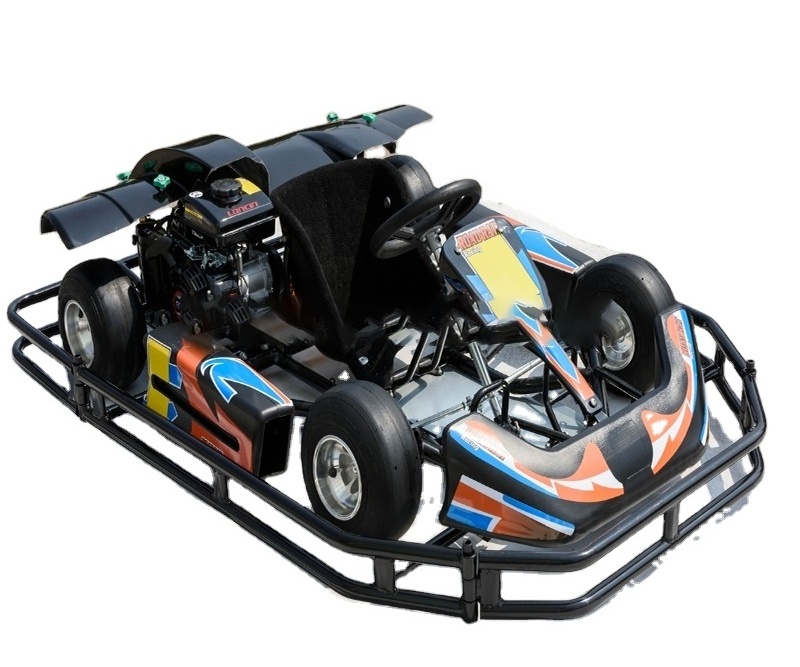
4cycle.com Go Kart Racing: The Essential Guide
In motorsport, raw seat time matters, but technical knowledge in the paddock often separates podium contenders from backmarkers. For grassroots four-stroke competitors, 4cycle.com go kart racing discussions have served as the undisputed technical heartbeat of the sport for decades. Commonly referred to simply as "Bob's 4 Cycle," this online forum and community repository has cataloged the collective wisdom of engine builders, chassis fabricators, and national champions across every discipline of four-stroke karting.

Whether you race a sealed Briggs & Stratton LO206 on an asphalt sprint track, campaign an open Clone on high-bite dirt ovals, or restore vintage flatheads, understanding how to tap into this deep reservoir of information can save thousands of dollars and shave tenths off your lap times.
Why 4cycle.com Go Kart Racing Remains the Gold Standard
While modern social media groups offer quick answers, they are notoriously difficult to search and often riddled with conflicting, unvetted advice. 4cycle.com stands apart because of its institutional memory. Threads dating back to the early 2000s document the transition from legacy flathead engines to overhead valve (OHV) platforms, the evolution of modern tire prep chemistry, and the nuances of cross-weight chassis scaling.
The community is largely populated by veteran racers, independent machinists, and engine builders who evaluate problems empirically. When a competitor asks why their engine is laying flat off turn four, the forum replies rarely offer vague guesses; instead, you get detailed breakdowns on float height, valve lash drift, clutch stall rpm, and track bite conditions.
Key Four-Stroke Engines Covered on the Platform
The core of four-stroke karting is affordability and parity, though the engine architectures vary widely depending on sanctioning bodies like WKA, IKF, AKRA, and NKA. The platform provides specialized sections for every major powerplant:
Briggs & Stratton LO206
The LO206 revolutionized sprint and oval karting by introducing a factory-sealed bottom end and a strict rulebook designed to eliminate expensive engine rebuilding arms races. On the forum, discussions focus heavily on maximizing legal performance within tight tolerances:
- Carburetor Tuning: Fine-tuning slide needle positions, float drop (typically set between 0.860" and 0.870"), and jetting adjustments based on air density and relative humidity.
- Clutch Engagement: Dialing in shoe configurations and spring tensions on Noram, Bully, or Hilliard clutches to match peak torque around 2,400 to 2,600 RPM.
- Valve Train Maintenance: Monitoring valve lash clearance (typically .000" cold to ensure proper lift) and preventing valve float at the rev limiter.
Clone (196cc / 212cc) and Predator Platforms
Dominant in dirt oval karting, Chinese OHV clones and Harbor Freight Predator engines range from pure box-stock budget classes to highly modified "outlaw" open builds. Forum archives detail cam grinds, head porting techniques, billet rod clearances, and flywheel safety upgrades required for high-RPM operation.
The Briggs Animal and World Formula
Before the LO206 took center stage, the Animal and electric-start World Formula engines represented the peak of purpose-built OHV four-stroke racing. The platform remains the primary resource for blueprinting specifications, ring gap clearances, and ignition timing secrets for these aggressive powerplants.
Chassis Setup and Dynamics

Horsepower means little if the chassis binds mid-corner or breaks loose on corner exit. The technical threads on 4cycle.com provide granular instruction on scaling, caster/camber geometry, and axle selection.
Dirt Oval vs. Sprint Track Tuning
The chassis demands for turning exclusively left on banked clay are fundamentally different from negotiating a multi-turn asphalt road course:
- Dirt Oval (Offset Chassis): Oval chassis utilize dramatic weight offsets. Forum threads thoroughly cover stagger (the difference in circumference between right-side and left-side tires), left-side weight percentage (often 56%–59%), and cross-weight to help the kart rotate naturally through clay surfaces.
- Sprint Road Course (Straight-Rail Chassis): Sprint setups rely on the mechanical jacking effect. By altering front caster and kingpin inclination, drivers unload the inside rear tire during corner entry to allow a solid rear axle to pivot cleanly around tight hairpins without bogging the engine.
Axle Stiffness and Track Width
A frequent topic among forum members is rear axle selection. Choosing between a soft, medium, or hard axle—and adjusting rear track width using hub spacers—serves as the primary method for adding or releasing rear grip as track temperatures shift throughout a race weekend.
The Science of Tires and Track Bite
In karting, rubber is the single most critical performance variable. 4cycle.com hosts some of the most comprehensive discussions available anywhere on tire management, particularly for dirt oval racing where chemical conditioning dictates race outcomes.
- Durometer Management: Racers use durometers to measure rubber hardness in Shore A units. Forum contributors frequently document how internal and external chemical preps alter durometer readings to match track moisture levels.
- Internal Washing: Treating the inside carcass of a tire weeks in advance to create a resilient, consistent biting surface without blowing out the outer tread.
- Tire Cutting and Surfacing: Using dedicated tire lathes to cut treads down to specific profiles and siping the surface with razor tools to promote heat dissipation on abrasive, dry-slick tracks.
Buying and Selling on the Classifieds
Beyond technical exchanges, the classifieds section is a major draw for racers looking to avoid retail markups. Because the user base consists of dedicated karters, the marketplace frequently features high-end equipment that is rarely found on general auction sites:
- Roller chassis scaled and ready for local club classes.
- Dyno-tested, blueprinted race engines from reputable builders.
- Precision tools, including electronic tire gauges, scales, alignment lasers, and bead breakers.
When participating in the classifieds, follow standard forum etiquette: research market pricing using previous thread archives, confirm seller reputation within the community, and ensure secure transaction methods are used for freight-shipped items like chassis frames.
Practical Race Day Checklist from Veteran Karters
Synthesizing decades of community advice reveals a clear, repeatable workflow used by the most successful four-stroke racers:
- Verify Alignment and Scale Weights: Always scale the kart with lead weights securely bolted, fuel tank half-full, and the driver in full gear.
- Check Valve Lash Cold: Always check lash before the first heat race. Expanding metals under heat will alter running clearance.
- Inspect Clutch Air Gap and Drum Bushing: Ensure the clutch drum spins freely with proper end play to avoid premature engagement and parasitic drag.
- Clean and Oil the Air Filter: A dirt-saturated foam filter chokes airflow, throwing off air-fuel ratios and costing top-end speed on long straightaways.
- Log Track Conditions: Record ambient temperature, track temp, gear ratio, and tire pressure after every session to build a personal baseline notebook.
Final Thoughts
Four-stroke karting represents the most accessible, competitive form of modern motorsport. By leveraging the technical depth, setup guides, and practical troubleshooting shared across decades of community interaction, you can bypass costly trial-and-error and focus on honing your racecraft on track.