5 Controversial Findings from the Kobe Bryant Autopsy Report
On January 26, 2020, the world was stunned by the sudden and tragic death of NBA legend Kobe Bryant, his 13-year-old daughter Gianna, and seven other passengers in a helicopter crash in Calabasas, California. Months later, the County of Los Angeles Department of Medical Examiner-Coroner released the official autopsy reports for all victims involved. While the document largely confirmed the catastrophic nature of the blunt force trauma sustained in the crash, the public release and subsequent investigative findings sparked intense discussion, debate, and controversy.

Autopsy reports for public figures often draw immense scrutiny, but the combination of heavy media coverage, aviation safety questions, and public grief made the details of this document subjects of widespread analysis. Below, we examine 5 controversial findings from the Kobe Bryant autopsy report and the surrounding investigations that shed light on that fateful morning.
1. The Toxicological Profile and Ritalin Findings
One of the most heavily scrutinized sections of any high-profile autopsy is the toxicology report. For Kobe Bryant, the toxicology screening returned negative for alcohol and illicit substances, but it did detect the presence of methylphenidate, better known by the brand name Ritalin, which Bryant was reportedly taking to treat attention deficit hyperactivity disorder (ADHD).
While therapeutic levels of prescribed medication are standard for many individuals, the public disclosure reignited discussions regarding the privacy of medical records for deceased celebrities. Some critics questioned the relevance of releasing specific pharmaceutical details to the public, while medical professionals emphasized that the presence of a legally prescribed medication did not imply impairment or contribute in any way to the aviation accident.
2. Catastrophic, Instantaneous Trauma
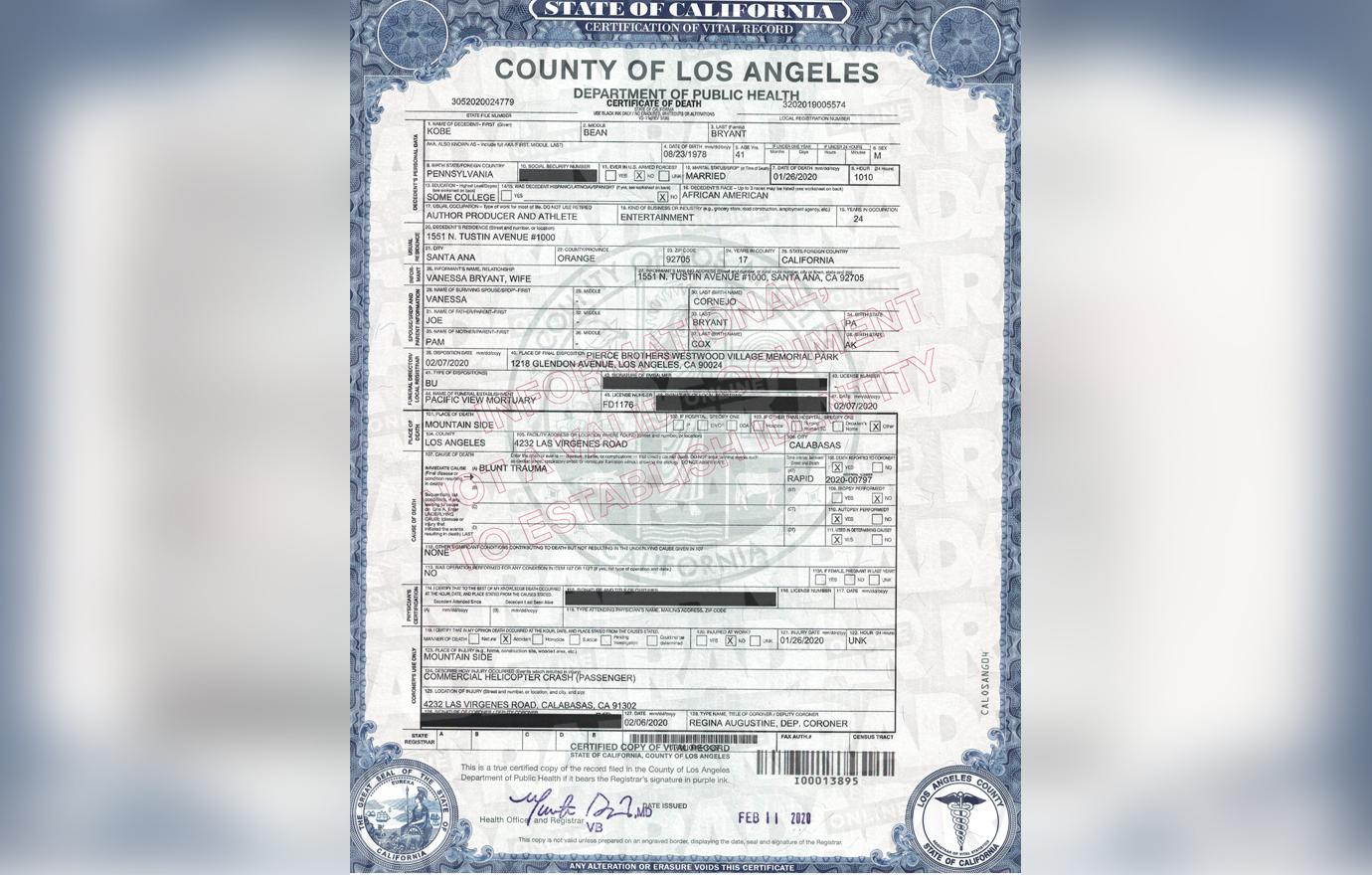
The physical condition of the victims detailed in the coroner's report was harrowing. The autopsy confirmed that Kobe Bryant and all other passengers suffered fatal, instantaneous injuries due to high-impact blunt force trauma. The official cause of death for every individual on board was ruled as rapid multiple blunt trauma.
While medical examiners concluded that death was likely almost instantaneous, the sheer violence of the impact remained a deeply sensitive and controversial aspect of the public discourse. Families of the victims subsequently filed lawsuits over the graphic nature of the crash scene and the unauthorized sharing of accident site photographs by first responders, highlighting the painful intersection of public records and private grief.
3. Pilot Toxicology and Discrepancies Regarding Spatial Disorientation
Strictly speaking, the pilot-in-command, Ara Zobayan, had a separate autopsy report, but his findings are inextricably linked to the overall investigation of the crash. The toxicology report for Zobayan tested negative for alcohol and common drugs of abuse.

The controversy here lies not in illegal substances, but in the National Transportation Safety Board's (NTSB) ultimate conclusions regarding the pilot's psychological and physiological state during the flight. The NTSB determined that Zobayan likely suffered from spatial disorientation—a dangerous condition where a pilot loses their sense of direction and altitude relative to the earth's surface—while flying through heavy fog and clouds. Critics and aviation experts debated intensely over whether commercial pressure to fly or the inherent dangers of Visual Flight Rules (VFR) in Instrument Meteorological Conditions (IMC) contributed to the decision to take off.
4. The Role of External Pressure and Flight Decisions
Though not strictly a medical finding inside the coroner's text, the autopsy and investigative reports opened a Pandora's box regarding flight safety decisions. Questions were immediately raised as to why the helicopter departed under such dense fog conditions that morning, conditions that had already grounded local police air support.
The integration of the autopsy findings with the NTSB safety recommendations sparked fierce debate about charter flight protocols, the enforcement of flight rules, and whether VIP status creates subtle pressure for pilots to push through dangerous weather boundaries. The tragedy prompted widespread calls for tighter regulations on helicopter safety equipment, including the mandatory installation of Terrain Awareness and Warning Systems (TAWS).
5. The Ethics of Public Disclosure and Privacy Concerns
Perhaps the most overarching controversy surrounding the Kobe Bryant autopsy report is the ethics of its public availability. Under California state law, autopsy reports are generally considered public records, accessible by media outlets and interested citizens upon request.
The release of such deeply intimate details—ranging from exact anatomical descriptions of injuries to personal medical prescriptions—ignited an ethical debate about privacy rights for deceased public figures and their surviving families. Legal and media ethics scholars continue to use the case to argue for reform in how sensitive post-mortem data is handled, balancing the public's right to know against the dignity and privacy of grieving families.
Conclusion
The autopsy report from the crash that took the lives of Kobe Bryant, Gianna Bryant, and their fellow passengers served primarily to confirm the physical reality of a devastating aviation accident. However, the specific details within the document—from pharmaceutical detections to the broader safety and ethical questions it raised—ensured that the report remains a focal point in discussions about aviation safety, privacy laws, and public accountability.