5 Disturbing Images From the Delphi Murders Crime Scene
On February 13, 2017, the quiet town of Delphi, Indiana, became the center of a national nightmare. Best friends Liberty "Libby" German (14) and Abigail "Abby" Williams (13) went for a hike along the Monon High Bridge Trail and never returned. The discovery of their bodies the following day shocked the community and launched a multi-year investigation that gripped the public imagination. As details leaked, emerged through court documents, and were discussed in true crime communities, public fascination naturally focused on the physical evidence. While graphic photographs are heavily restricted by law enforcement out of respect for the victims and their families, public interest in the visual reality of the case remains high. Below, we examine the context behind five disturbing images from the Delphi murders crime scene and the broader evidence that eventually led to an arrest.
Understanding the Crime Scene Context
The Monon High Bridge is an abandoned, rustic railway structure crossing Deer Creek. It features weathered wooden ties with significant gaps, making it a precarious spot for anyone traversing it. On that fateful afternoon, Libby German captured a brief video on her smartphone of an unidentified man walking across the bridge—an image that would become one of the most recognizable pieces of evidence in modern criminal history. When the girls failed to return, a massive search ensued, culminating in the discovery of their bodies in a wooded area roughly 0.5 miles east of the bridge, on the north bank of Deer Creek.
Law enforcement has guarded crime scene photographs fiercely, maintaining the integrity of the ongoing legal proceedings against Richard Allen, who was arrested and later convicted for the murders. However, testimony, search warrants, and court filings have painted a vivid and chilling picture of what investigators encountered. Here is a look at five disturbing elements and visual aspects associated with the Delphi murders crime scene.
1. The Screenshot of "Bridge Guy"
While not a traditional crime scene photo taken after the murders, the final frame captured on Libby's phone before her death is perhaps the most haunting image associated with the case. Known universally as "Bridge Guy," the grainy video shows a man with his hands in his pockets, walking purposefully along the narrow wooden planks of the Monon High Bridge, closing the distance between himself and the two teenagers.
This digital image became the cornerstone of the investigation. For years, law enforcement plastered billboards, highway signs, and television broadcasts with this single frame. The disturbing nature of the image lies not just in its poor resolution, but in the terrifying realization that it depicts the perpetrator moments before the abduction and tragedy occurred. It served as a constant reminder to the public of the victims' final moments of fear.
2. The Aerial View of the Monon High Bridge Trail
Aerial photographs and topographical maps of the trail system show the isolation of the crime scene. Images released by news outlets and used in documentaries highlight how quickly a person can move from a popular public recreational trail into dense, secluded wilderness.
The terrain consists of steep embankments, thick brush, and the cold, fast-moving waters of Deer Creek. Visualizing the geographic layout through these landscape photographs reveals why the girls were trapped. With the bridge behind them, deep water to one side, and an aggressive assailant cutting off their escape route toward the trails, the visual evidence of the map underscores the tragic tactical disadvantage the teenagers faced.
3. The Unspent Round Found Near the Bodies
During the execution of search warrants and subsequent court hearings, forensic examiners presented photographic evidence of a single, unspent .40-caliber cartridge found on the ground between the bodies of Abby and Libby. Macro photographs of this casing became a major point of contention during the trial of Richard Allen.
Video: Delphi Murders| Disturbing Crime Scene Details FBI Profiler 'Likely Kegan Kline is Involved'

Prosecutors presented microscopic image comparisons showing tool marks on the shell casing that allegedly matched an unspent round cycled through a firearm owned by Allen. To crime scene analysts, this small piece of brass was one of the most vital physical clues left behind. The imagery of a single, tiny bullet resting in the leaves near the victims starkly symbolizes the sudden and violent end brought to the scene.
4. The Staged Arrangement of the Victims
While explicit photos of the victims have never been released to the public—and rightfully so out of respect for the German and Williams families—testimony from crime scene technicians, first responders, and investigators has described the disturbing positioning of Abby and Libby's bodies.
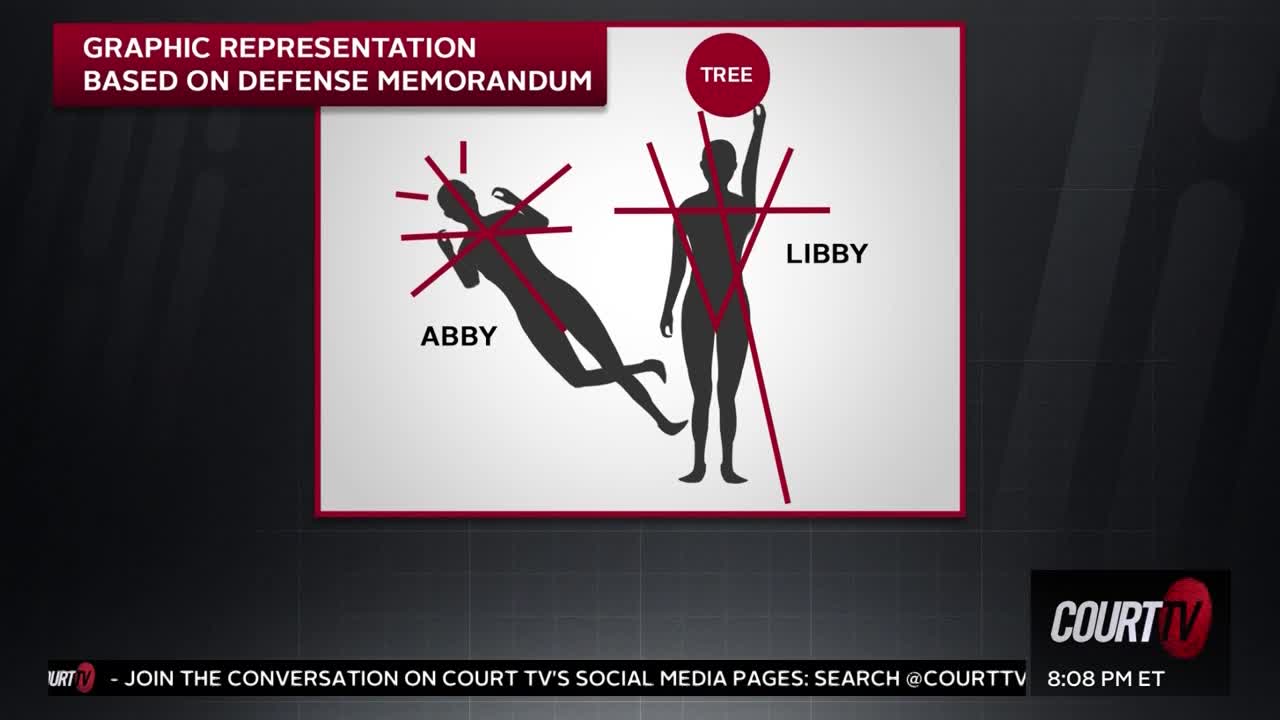
According to trial testimony and investigative leaks, the bodies showed signs that the perpetrator had attempted to alter the scene after the murders, including positioning tree branches and covering the victims in specific ways. Court documents and investigative sketches outline how the girls were found across the creek bank. The mental image of this deliberate staging highlights the calculated, chilling behavior of the killer in the aftermath of the crime.
5. The Search and Recovery Area Along Deer Creek
Photographs documenting the search grid on February 14, 2017, show local volunteers, K-9 units, and law enforcement wading through icy waters and scouring the muddy banks. These operational images convey the grim reality of the discovery.
The stark, bare trees of a North Indiana winter, the gray overcast sky, and the desolate nature of the creek bank form a bleak visual backdrop. These documentary photos capture the exact moment the community's hope of finding the girls safe transformed into profound grief and a relentless pursuit of justice.
The Path to Justice
For over five years, the Delphi murders remained an agonizing puzzle, fueled by speculation, internet sleuthing, and an evolving police strategy regarding the release of audio and video evidence. The visual clues—from the Bridge Guy video to the physical layout of the crime scene—kept the case in the public eye.
In October 2022, the arrest of local resident Richard Allen brought a semblance of accountability to the tragedy. Subsequent court proceedings relied heavily on the physical evidence gathered from that grim February day in 2017, proving that meticulous crime scene documentation remains essential even when decades pass.
Conclusion
The tragedy in Delphi, Indiana, serves as a permanent reminder of the vulnerabilities of everyday life and the enduring power of digital and physical evidence. While the disturbing images and descriptions associated with the Delphi murders crime scene evoke deep sorrow and horror, they also stand as a testament to the tireless work of investigators who refused to let Abby Williams and Libby German be forgotten. Through careful analysis of every frame, footprint, and forensic detail, the criminal justice system ultimately worked to bring closure to two grieving families.


