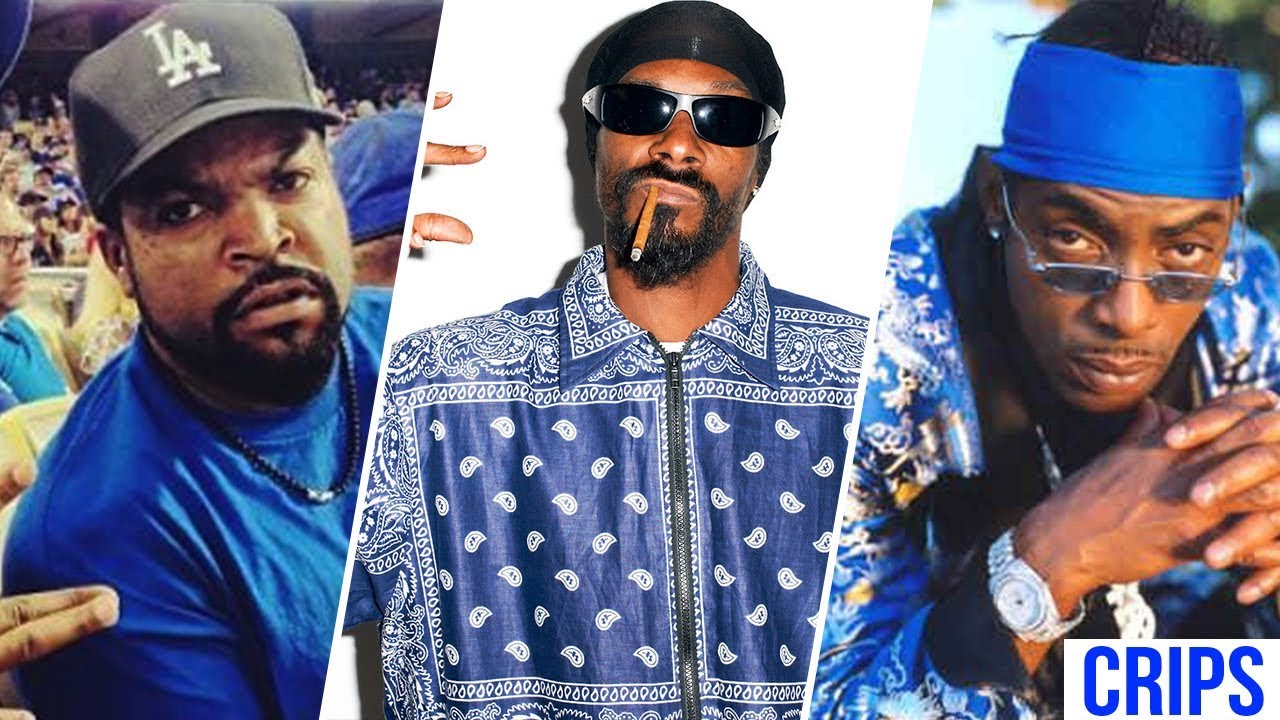
5 Surprising Truths About the Crip Rapper Community
When people think of West Coast hip hop, images of blue bandanas, lowriders, and fierce neighborhood rivalries often come to mind. Yet, the intersection of street culture and commercial music is far more complex than simple gang signifiers. The Crip rapper community has played a massive role in shaping the sonic landscape of modern American music for decades, producing some of the most influential artists in history. However, public perception is frequently overshadowed by stereotypes, sensationalized media, and true-crime entertainment.

Understanding this distinct subculture requires looking past the superficial aesthetics. From shifting dynamics in the music industry to surprising acts of community advocacy, here are five surprising truths about the artists who emerged from this specific lineage.
1. The Evolution From Neighborhood Defense to Commercial Powerhouses
The origins of West Coast gang subcultures in the late 1960s and 1970s were rooted in complex socioeconomic factors, including systemic neglect, racial segregation, and a perceived need for community protection. As these neighborhoods evolved, so did their relationship with music. By the late 1980s and 1990s, rap music became the ultimate vehicle for storytelling, allowing young men to chronicle their realities for a global audience.
What started as localized neighborhood anthems transformed into a multi-billion-dollar commercial genre. Artists who grew up navigating these environments realized that their lyrical chronicles of survival could open doors to legitimate wealth, record labels, and global influence. This transition turned street-level credibility into corporate leverage, forever altering the business side of West Coast hip hop.
2. Intra-Community Peace Treaties Shaped the Sound of 90s Rap
A pivotal moment in West Coast music history occurred in 1992 with the historic Watts gang truce, brokered just prior to the release of landmark hip-hop albums. This truce created a temporary bridge between rival factions, directly impacting the studio environment. Producers, engineers, and artists who previously could not work together safely suddenly found themselves collaborating on the same tracks.
This unprecedented era of cooperation produced a unique sonic fusion. G-funk—characterized by whining synthesizers, slow-rolling basslines, and soulful samples—became the dominant sound. The music served not just as entertainment, but as a temporary cultural truce that demonstrated how art could temporarily override neighborhood divisions.
3. Philanthropy and Community Reinvestment Are Often Overlooked
While media coverage frequently highlights the sensationalized conflict associated with street culture, many prominent artists from this background dedicate significant resources to uplifting the very neighborhoods that raised them. Philanthropy within the genre goes far beyond writing checks; it involves boots-on-the-ground activism, youth mentorship, and economic development.

- Youth Programs: Several high-profile artists have funded after-school centers, sports leagues, and music production camps to keep kids out of trouble.
- Food Drives and Housing: Annual holiday turkey drives, back-to-school backpack giveaways, and financial support for local housing initiatives are commonplace.
- Job Creation: Investing in local real estate, opening legitimate businesses like restaurants and clothing stores, and employing neighborhood residents help break cycles of poverty.
These efforts rarely receive the same front-page attention as legal troubles or controversies, yet they form a critical part of the daily reality for many artists who refuse to forget their roots.
4. The Crip Rapper Community Embraced Independent Distribution Early
Long before independent artist distribution platforms became the norm in the digital age, West Coast independent labels were writing the playbook on bypassing major record company gatekeepers. Faced with executives who often did not understand or trust their narratives, entrepreneurs built their own infrastructure.
By pressing their own vinyl, handling trunk distribution, and building direct relationships with regional record stores, these artists maintained ownership of their master recordings and creative direction. This DIY ethos established a blueprint for modern independent hip-hop, proving that artists did not need a traditional corporate machine to achieve massive commercial success and financial independence.
5. Crossover Appeal and Mainstream Cultural Integration
Perhaps the most surprising truth is how deeply embedded this subculture is in mainstream pop culture, fashion, and sports. What was once considered taboo or strictly localized street fashion has become high-fashion runway inspiration and mainstream streetwear.
Furthermore, artists originating from these backgrounds have successfully transitioned into mainstream media moguls, acting as television producers, tech investors, and cultural commentators. Their journey illustrates a profound cultural shift: society has learned to consume and celebrate the music and fashion born from these communities, even if the systemic issues that birthed them still require urgent attention.
Conclusion
The Crip rapper community is far more than a monolith defined by media headlines. It is a diverse collection of artists, entrepreneurs, and activists whose stories reflect the resilience, contradictions, and creativity of modern America. By examining their history beyond the surface-level aesthetics, we gain a much deeper appreciation for the complex tapestry of hip-hop history and its enduring impact on global culture.