5 Things Jeffrey Dahmer Crime Scene Photos Don't Show
Decades after his arrest in July 1991, Jeffrey Dahmer remains one of the most studied figures in true crime history. Media coverage, documentaries, and dramatized series have saturated public consciousness with dark imagery, often centering on the apartment where he committed his horrific acts. Yet, looking at the widely circulated Jeffrey Dahmer crime scene photos provides only a fraction of a much larger, more complex tragedy.

Photographs capture a physical space frozen in time, but they cannot convey the broader systemic context, the human stories of the victims, or the chaotic reality of the investigation itself. Here are five things that the infamous crime scene photographs simply do not show.
1. The Reality Behind the Apartment's Illusion of Normalcy
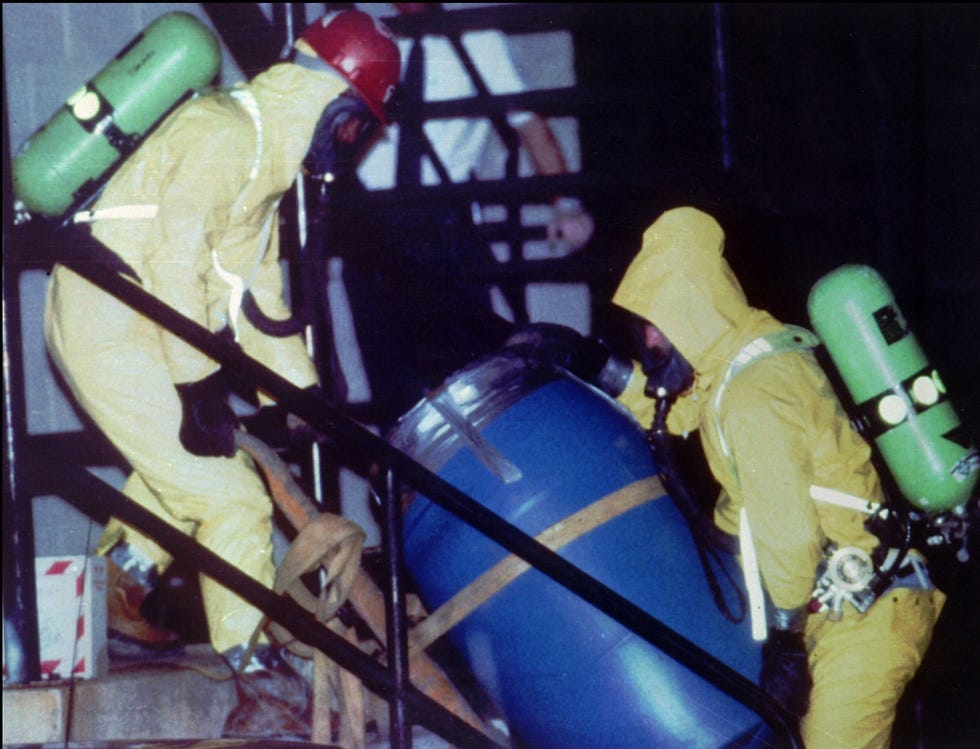
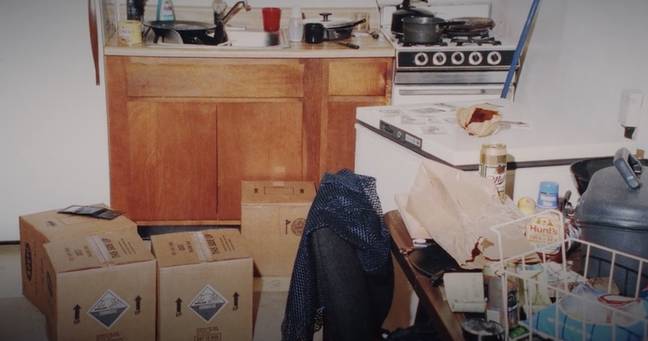
When police entered Apartment 213 at 924 North 25th Street in Milwaukee, they encountered a space filled with horrific evidence: polaroids of dismembered bodies, vats of acid, and biological remains. However, the photos fail to capture how Dahmer maintained a facade of absolute normalcy to the outside world.
Neighbors frequently reported that Dahmer was quiet, polite, and sometimes offered them meat sandwiches. The stark contrast between the tidy apartment complex exterior and the nightmare within is flattened in still images. The photos don't show how Dahmer successfully blended into an apartment building where tenants largely kept to themselves, allowing his crimes to go completely unnoticed by those living just feet away for years.
2. The Systemic Failures That Enabled the Murders
A camera lens can capture a pair of handcuffs on a bed frame, but it cannot document the institutional oversights that allowed Dahmer to continue his spree unchecked. One of the most glaring examples occurred just weeks before his arrest, involving 14-year-old victim Konerak Sinthasomphone.
Sinthasomphone was found wandering the street naked, drugged, and bleeding from the head. Dahmer had convinced responding police officers that the boy was his adult lover and that they were simply having a domestic dispute. The officers returned Sinthasomphone to Dahmer. The crime scene photos from July 1991 do not show the tragic policy failures, implicit bias, and lack of cross-jurisdictional communication that left vulnerable young men of color unprotected by local law enforcement.
3. The Individual Lives and Humanity of the Victims
Police archives and media sensationalism often reduce Dahmer's victims to numerical statistics or mere objects in a gruesome investigation. The physical evidence recovered from the apartment tells nothing of who these individuals were before they crossed paths with the killer.
Video: Real images from Jeffrey Dahmer's apartment (*MATURE AUDIENCE ONLY*)

Restoring Dignity to the Victims
Dahmer’s victims were disproportionately young men of color, many of whom belonged to marginalized LGBTQ+ communities. They were sons, brothers, artists, and students with vibrant futures. The graphic imagery of the case strips away their humanity, whereas looking at the actual history reveals:
- Diverse Backgrounds: The victims included African American, Asian, and Hispanic men, highlighting how Dahmer preyed on vulnerable individuals on the margins of society.
- Personal Ambitions: Men like Anthony Sears and Ernest Miller had dreams, families, and friends who spent years searching for them after they vanished.
- The Ripple Effect of Grief: The crime scene photos show the immediate physical aftermath, but they completely omit the generational trauma and lifelong grief experienced by the families left behind.
4. The Overwhelming Sensory Horror of the Investigation
Photographs are strictly visual, failing to convey the visceral, sensory reality faced by the Milwaukee Police Department officers who walked into Apartment 213 on the night of July 22, 1991.
Officers Robert Rauth and Rolf Mueller responded to a call after a potential victim, Tracy Edwards, escaped with a handcuff still dangling from his wrist and flagged down squad cars. Upon entering the apartment, the first responders were immediately struck by an overpowering, putrid chemical odor combined with decomposing biological matter. The visual evidence leaves out the sheer shock, disorientation, and psychological toll experienced by the first responders who realized the magnitude of the depravity hidden inside the unit.
5. The Immediate Public Outrage and Community Impact
Finally, crime scene images isolate the apartment from the outside world, ignoring the intense public fury and community anguish that erupted in Milwaukee once the details became public.
Protesters gathered outside the Oxford Apartments, demanding accountability from police departments and local government agencies. Advocacy groups highlighted how systemic indifference allowed a serial killer to operate in plain sight for over a decade. The photos show a contained apartment, but they miss the explosive social reckoning that followed, permanently changing conversations about community safety, policing, and accountability in America.
Moving Beyond Sensationalism
While the public remains fascinated by the dark aesthetics of true crime, fixating on physical evidence and crime scene imagery often distracts from the deeper lessons of the case. Understanding Jeffrey Dahmer requires looking past the shocking photographs to examine the human cost, institutional failures, and the urgent need to protect vulnerable communities.