600 Yamaha VMAX: Specs, History, and Buyer's Guide
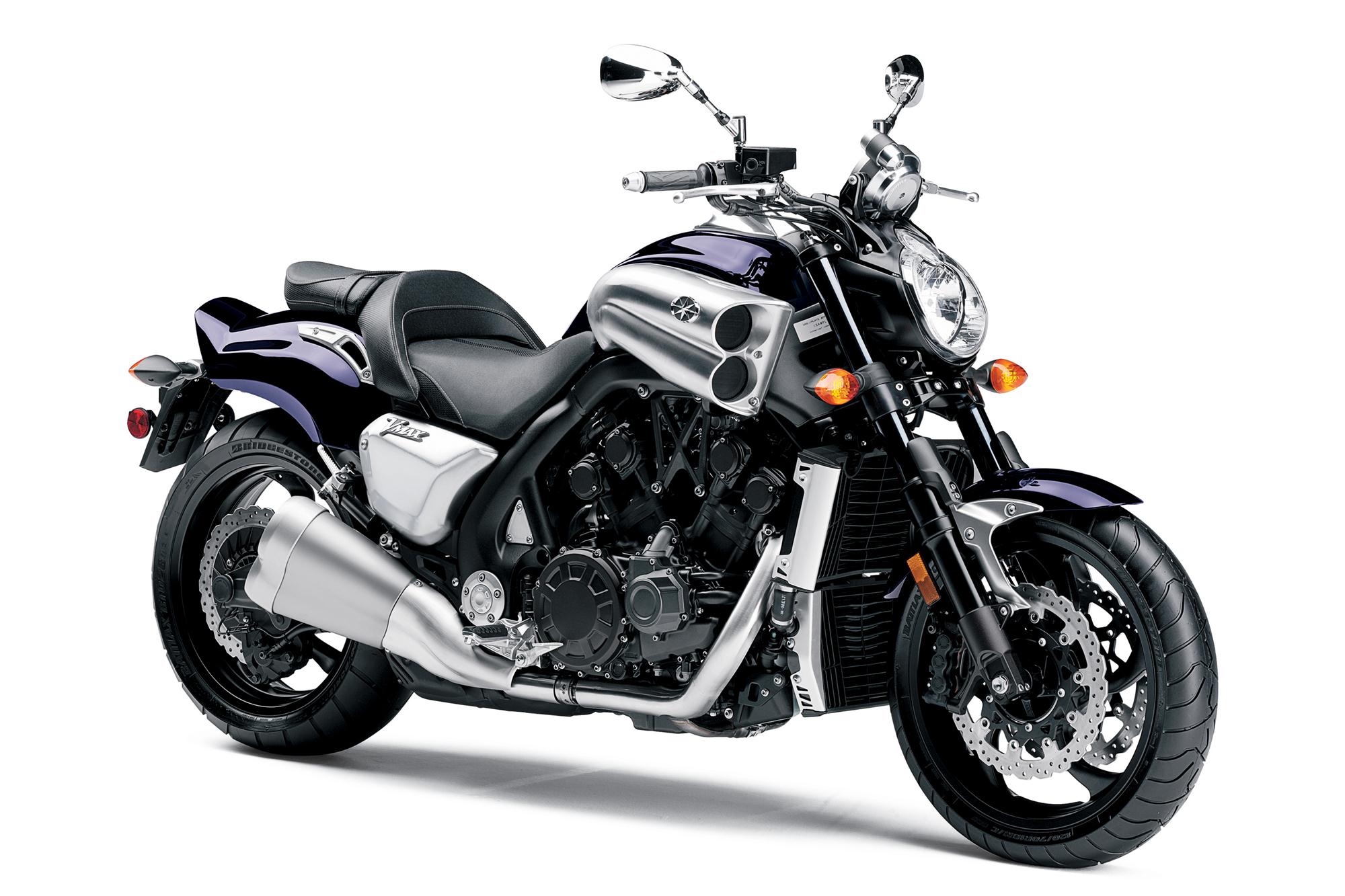
When winter enthusiasts mention legendary two-stroke trail sleds from the 1990s and early 2000s, the 600 Yamaha VMAX regularly tops the conversation. While Yamaha's VMAX nameplate also belongs to a storied muscle motorcycle, in the realm of powersports, the 600 VMAX denotes a generation of snowmobiles renowned for durability, an aggressive exhaust note, and rock-solid Japanese engineering. Whether you are eyeing a budget-friendly winter project or adding a vintage cruiser to your fleet, understanding the lineage and mechanical nuances of this sled is essential.

The Evolution of the VMAX 600: Twins vs. Triples
Yamaha launched the VMAX 600 in 1994 to replace the aging Exciter lineup. Over its decade-long production run, the sled underwent two distinct mechanical eras that prospective buyers should differentiate immediately: the early twin-cylinder era and the later, highly coveted triple-cylinder era.
The Twin-Cylinder Era (1994–1998)
The original VMAX 600 arrived with a 598cc liquid-cooled twin fed by dual Mikuni carburetors. It delivered roughly 90 to 94 horsepower, offering substantial low-end grunt and rapid acceleration out of trail corners. Early models (1994–1996) utilized Yamaha's signature Telescopic Strut Suspension (TSS) on the front ski stance, giving the machine a sleek, aerodynamic hood line. In 1997, Yamaha modernized the platform, introducing trailing-arm front suspension and the long-travel ProAction rear skid on models like the VMAX 600 XT and XTC.
The Triple-Cylinder Era: The "Redhead" (1999–2003)
Starting in 1999, Yamaha placed its legendary 593cc liquid-cooled, case-reed triple into the 600 chassis. Easily identified by its bright red cylinder head cover—earning it the nickname "the Redhead"—this non-power-valve engine made between 95 and 98 horsepower. What set the triple apart was not raw top speed, but its surgical smoothness, acoustic howl, and bulletproof reliability. Models like the VMAX 600 SX, Deluxe, and ER (Electric Reverse) paired this motor with lightweight trailing-arm geometry.
Key Specifications and Performance Overview
While specifications vary slightly across specific trim designations (DX, XT, SX, ER), the core architectural highlights of the VMAX 600 family include:
- Engine Type: 598cc liquid-cooled 2-stroke twin (1994–1998) or 593cc liquid-cooled 2-stroke triple (1999–2003)
- Carburetion: Dual Mikuni slide/rack carburetors on twins; triple flat-slide Mikuni TM carbs on later models
- Horsepower: Approximately 92 hp (twin) to 98 hp (triple)
- Front Suspension: TSS struts (1994–1996) with ~6.5 inches of travel; Trailing arm IFS (1997+) with ~9 inches of travel
- Rear Suspension: ProAction link-type rear suspension providing 8.5 to 11.5 inches of travel depending on year and package
- Dry Weight: Approximately 495 to 535 lbs (lightweight compared to modern four-strokes, though heavier than comparable period Ski-Doos)
- Braking: Mechanical disc on early editions; hydraulic disc system on later generations
Why the 600 Yamaha VMAX Remains a Trail Legend
The VMAX 600 earned its reputation through balanced performance rather than peak dyno numbers. On groomed trails, few period machines cornered as flatly or offered the same front-end bite.
Yamaha engineered the chassis with a remarkably low center of gravity. When dialing through twisty woods trails, the sled stays glued to the snow with minimal ski lift. The triple-cylinder models, in particular, remain celebrated for their clutching; engagement is predictable, and power delivery remains linear across the entire RPM band. The motor has virtually none of the erratic peakiness associated with highly strung small-bore two-strokes.
Common Issues and Maintenance Checkpoints
Despite Yamaha’s legendary build quality, thirty years of exposure to snow and freeze-thaw cycles take their toll. If you are evaluating a used VMAX 600, pay attention to these critical mechanical areas:
1. Carburetor Pilot Jets and Fuel System
The Mikuni carbs on both the twin and triple engines feature small pilot passages that easily varnish if stored with ethanol-blended fuel. A clogged pilot circuit leads to a lean condition at idle or mid-throttle, which can burn down a piston. Always plan to pull, inspect, and ultrasonically clean the carb bank when acquiring one of these machines.
2. ProAction Skid and W-Arm Cracking
Yamaha's ProAction rear suspension handles trail chop well, but the front pivot arm—widely known as the "W-arm"—is notoriously prone to hairline stress cracks near the lower cross-tube welds. Look closely with a flashlight for metal fatigue, cracked gussets, or egged-out pivot bolt holes.
3. Secondary Clutch Rollers and Bushings
The Yamaha secondary clutch is robust, but the ramp shoes, plastic buttons, and internal helix bushings wear down over thousands of miles. Excessive play in the clutch halves will cause belt slippage, heat buildup, and a noticeable loss of top-end backshift.
4. Driveshaft and Jackshaft Bearings
The speedometer on Yamaha sleds of this era is driven off a small keyway located in the lower driveshaft bearing on the clutch side. If your speedometer suddenly stops working, it is rarely a broken cable; it is almost always the lower bearing failing and disintegrating the drive adapter. Check this bearing for free play before every season.
Buying Tips: What to Look for on the Used Market
Today, a running 600 Yamaha VMAX typically commands between $1,000 and $2,500 depending on condition, location, and seasonal demand. When inspecting a potential purchase:
- Test Cold Compression: Look for consistent readings across all cylinders. A healthy engine should show between 120 and 130 PSI per cylinder with less than a 10% variance.
- Examine the Track: Check for dry rotting, missing lugs, or ripped fiberglass rods. Replacing a track easily doubles your investment on a budget sled.
- Verify Oil Injection Operation: Ensure the autolube pump linkage moves freely with the throttle cable. While Yamaha's oil injection pumps rarely fail, kinked lines or broken cables can starve the motor.
- Opt for the Triple if Possible: While early twins are cheaper, the 1999–2002 triple-cylinder models offer significantly higher refinement, easier cold starts, and greater long-term durability.
Final Verdict
The Yamaha VMAX 600 stands as an accessible gateway into classic snowmobiling. It delivers sufficient power to keep pace with modern trail machines on groomed corridors, combined with simple mechanical designs that an amateur mechanic can service in a home garage. Treated with clean fuel, fresh chaincase oil, and proper suspension greasing, a well-kept VMAX 600 will effortlessly rack up thousands of trouble-free winter miles.


