7 Ways the New Social Media Privacy Law Affects You
Data privacy has officially entered a new era. With lawmakers cracking down on how tech giants harvest, store, and monetize user information, a wave of comprehensive legislation is rolling out. While tech headlines often focus on massive corporate fines, the real story is how these regulations change the daily digital experience for everyday users. If you scroll, post, or message online, understanding these shifts is essential.

Whether you are a casual user or a digital creator, navigating this shifting landscape requires knowing your rights. Here are 7 surprising ways the new social media privacy law affects you, changing everything from the ads you see to the control you hold over your digital footprint.
1. The Death of Creepy, Hyper-Targeted Ads
Have you ever spoken out loud about needing a new pair of shoes, only to see shoe ads on your feed minutes later? Those days are coming to an end. The new privacy regulations place severe restrictions on cross-site tracking and the ingestion of third-party behavioral data.
Platforms can no longer track your movements across unrelated websites to build an intrusive psychological profile without your explicit, unambiguous consent. While you will still see advertisements, they will feel noticeably less personalized and far less invasive.
2. One-Click Data Deletion Is Now a Reality
In the past, deleting your digital footprint from a platform felt like trying to un-bake a cake. Companies would hide account deletion buttons deep within settings menus or retain your archives indefinitely on backup servers.
Under the new framework, platforms must provide a straightforward, frictionless mechanism to wipe your account and all associated data permanently. When you hit delete, companies are legally mandated to scrub your uploaded photos, private messages, and behavioral metrics from their active databases within a strict timeframe.
3. Default Privacy Settings for Minors
Protecting younger users is a primary catalyst for modern digital legislation. If you have teenagers, or if you manage accounts for minor children, you will notice a drastic shift in how platforms treat young accounts.
The law mandates strict default settings for users under 18:
- Accounts are set to private by default, blocking strangers from viewing posts.
- Direct messaging from unknown adult accounts is automatically restricted.
- Endless scroll features and algorithmic hooks designed to maximize screen time are dialed back or disabled entirely for minors.
- Location-sharing features are turned off out of the box.
4. Easier Access to Your Stored Data
Have you ever wondered exactly how much information a social network has collected about you? Previously, requesting your data archive resulted in a confusing mess of code and raw data files that only a programmer could decipher.
The new rules require tech companies to provide comprehensive data transparency reports in plain, human-readable English. You can now request a complete breakdown of your profile data—including your search history, inferred interests, and ad engagement metrics—presented in a format that makes sense to an average person.
5. Radical Transparency in Algorithmic Feeds
For years, social media algorithms operated inside a black box. You never truly knew why a specific post appeared at the top of your feed while content from your actual friends was buried.
The latest legal standards push back against this opacity. Platforms are now required to offer an 'opt-out' of algorithmic curation entirely. This means you can flip a switch to view your feed in strict chronological order, free from engagement-baiting manipulations designed to keep you angry, anxious, or glued to your screen.
6. Stricter Rules on Facial Recognition and Biometrics
Facial recognition technology has long been used by social platforms to automatically tag your friends in photos or suggest connections based on your image. Under the new law, this practice faces severe friction.
Platforms can no longer scan your uploaded photos for biometric identifiers without explicit, renewed opt-in consent. If you do not give permission, the platform must disable automatic tagging and wipe any existing biometric face templates derived from your profile.
7. Increased Liability for Data Breaches
Data breaches have become so common that receiving a notification letter barely makes news anymore. However, the new privacy law introduces sharp financial teeth for security negligence.
If a platform fails to implement reasonable security safeguards to protect your personal details, you may now have the legal right to sue the company directly for damages—even if you cannot prove direct financial loss. This heightened accountability forces tech companies to invest heavily in robust cybersecurity rather than treating data breaches as a mere cost of doing business.
How to Prepare for the New Digital Landscape
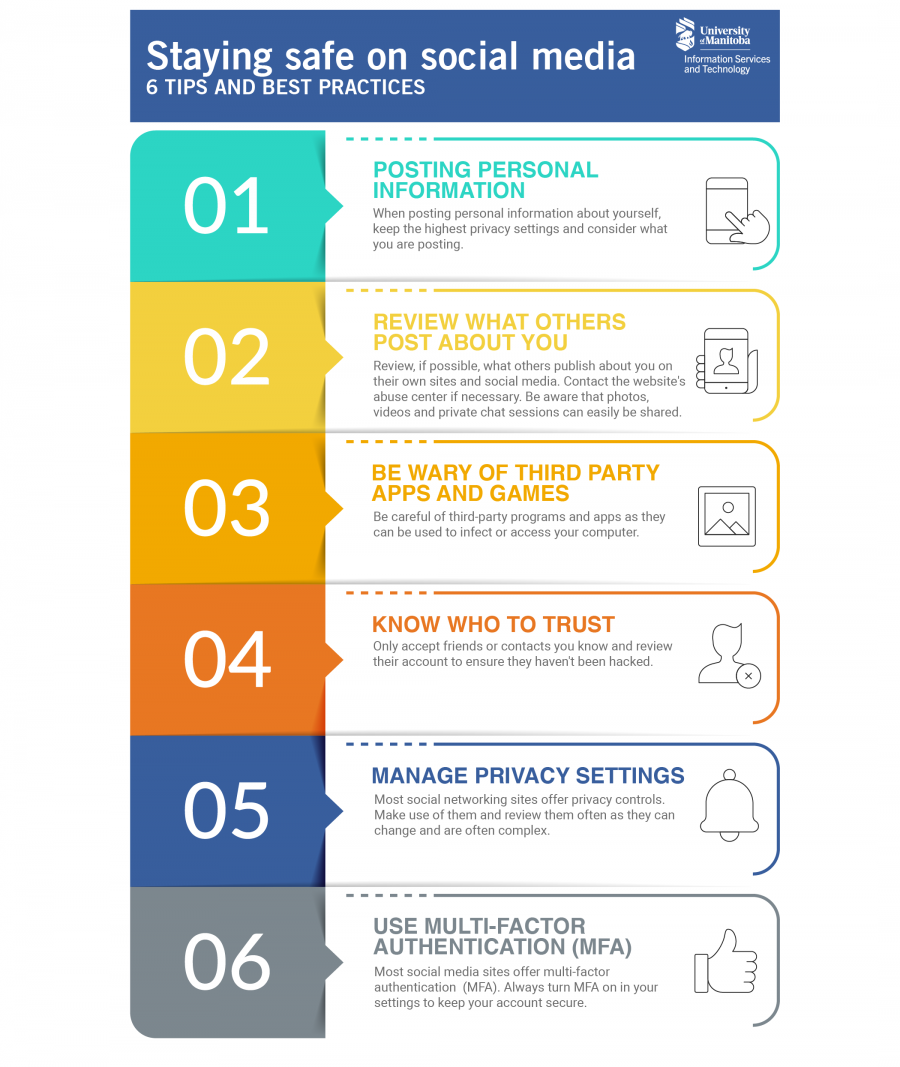
These legal protections give you more power over your digital life than ever before, but you still need to take action to claim them. Take a few minutes to review your account settings across your favorite apps. Look for newly added privacy dashboards, turn off personalized ad tracking, and check that your default sharing permissions align with your comfort level. By combining these new legal rights with proactive personal settings, you can build a much safer, more secure online experience.