8am PST to IST: Understand Time Zones Like a Pro
When collaborating across continents, cross-border scheduling can quickly become a headache. If you need to convert 8am PST to IST: understand time zones like a pro with this guide so you never miss an international handover, client presentation, or team standup.

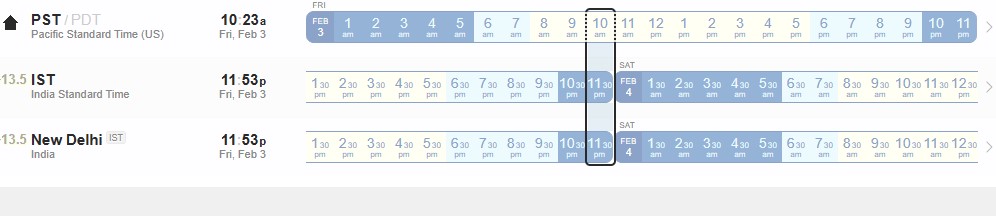
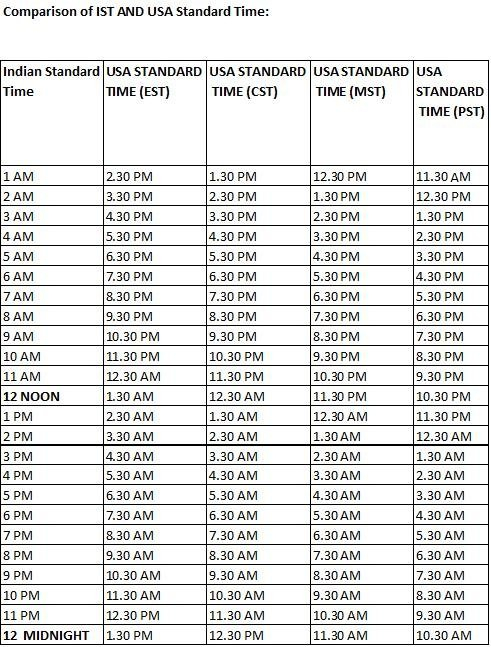
At a glance, 8:00 AM PST converts to 9:30 PM IST on the same calendar day. However, relying strictly on that single calculation can cause costly mistakes if you do not account for Daylight Saving Time (DST) or the unique 30-minute offset used across the Indian subcontinent.
The Direct Math: Converting 8:00 AM PST to IST
To understand the conversion between Pacific Standard Time (PST) and Indian Standard Time (IST), you need to look at their Coordinated Universal Time (UTC) offsets:
- PST (Pacific Standard Time): UTC-8
- IST (Indian Standard Time): UTC+5:30
Because PST sits 8 hours behind UTC and IST sits 5 hours and 30 minutes ahead of UTC, the total gap between them is 13 hours and 30 minutes. IST is ahead of PST.
Step-by-Step Calculation
- Start with the baseline time: 8:00 AM PST.
- Add 12 hours: 8:00 AM + 12 hours = 8:00 PM (same day).
- Add the remaining 1 hour and 30 minutes: 8:00 PM + 1 hour 30 minutes = 9:30 PM IST.
If a team member in Los Angeles logs on at 8:00 AM PST during standard time, a colleague in Bengaluru, Mumbai, or New Delhi will see 9:30 PM on their clock that evening.
8am PST to IST: Understand Time Zones Like a Pro and Avoid the DST Trap
The single most common mistake professionals make when calculating Pacific Time to Indian Time is confusing PST with PDT.
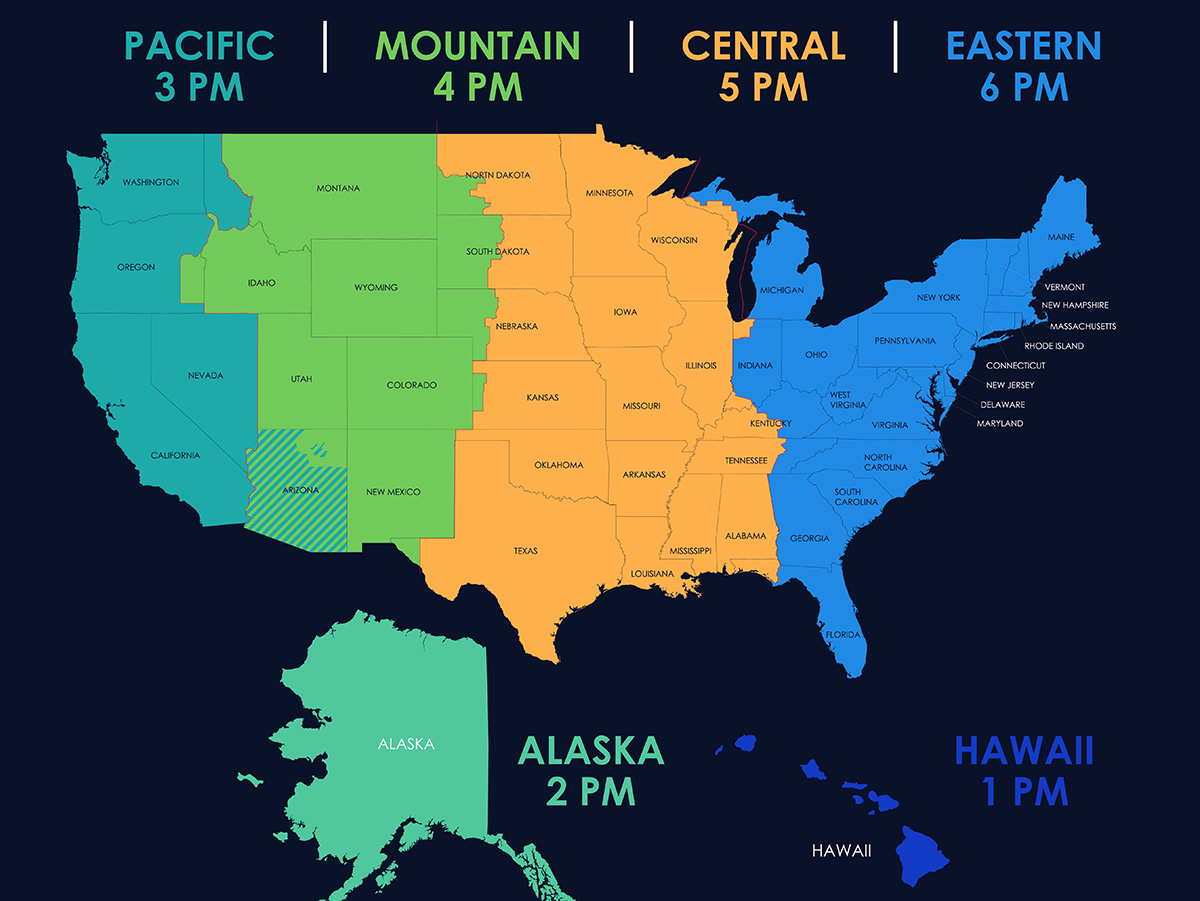
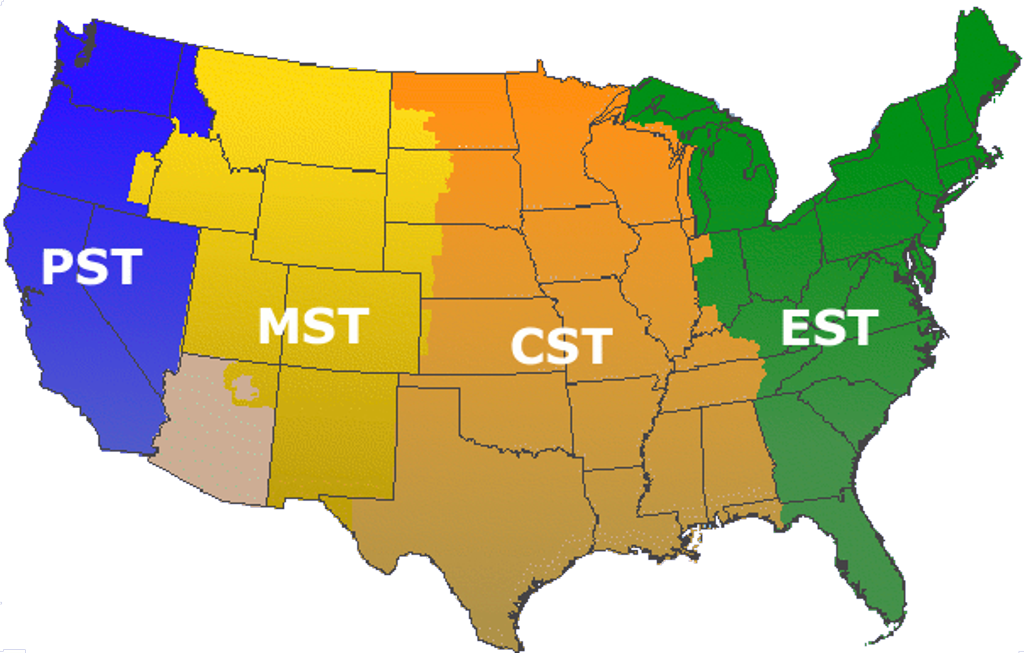
India does not observe Daylight Saving Time. The entire country follows a single time standard (UTC+5:30) all year. The United States Pacific Time zone, however, switches between standard time and daylight saving time:
- Pacific Standard Time (PST): Observed from early November to mid-March (UTC-8). The time difference with IST is 13.5 hours.
- Pacific Daylight Time (PDT): Observed from mid-March to early November (UTC-7). The time difference with IST drops to 12.5 hours.
If someone asks for a meeting at "8:00 AM Pacific" in July, they are actually on PDT, not PST. In that scenario, 8:00 AM PDT equals 8:30 PM IST, not 9:30 PM. Forgetting this transition shifts your appointment by an entire hour.
Quick Reference Comparison
- Winter (Standard Time): 8:00 AM PST = 9:30 PM IST (+13.5 hours)
- Summer (Daylight Saving Time): 8:00 AM PDT = 8:30 PM IST (+12.5 hours)
Why Does India Have a 30-Minute Offset?
Most global time zones operate in full one-hour increments relative to Greenwich Mean Time (GMT/UTC). India is one of a handful of regions—alongside places like Nepal (UTC+5:45), Iran (UTC+3:30), and parts of Australia—that utilizes a half-hour offset.
When India established a unified standard time in 1947, the country spanned roughly 30 degrees of longitude, which geographically equates to about a two-hour difference from east to west. Rather than splitting the country into multiple contentious zones or choosing a full-hour meridian that heavily favored either Mumbai in the west or Kolkata in the east, the government selected the 82.5° East longitude meridian passing through Mirzapur.
This meridian falls precisely 5.5 hours ahead of UTC, creating a practical central compromise that remains in place nationwide today.
Is 8:00 AM Pacific a Feasible Meeting Time for Both Sides?
When running distributed software engineering, customer support, or operations teams between the US West Coast and India, overlap hours are narrow. An 8:00 AM start on the Pacific Coast creates an immediate dilemma:
The Pros
- It captures the Indian team before their working day fully concludes if they work late-shift or flexible hours common in global IT hubs.
- It occurs at the very start of the US workday, allowing critical questions to be answered before the American team begins independent tasks.
- It works well for quick 15-minute handoffs or blockers reviews rather than deep brainstorms.
The Cons
- At 8:30 PM or 9:30 PM IST, Indian professionals are well outside standard business hours. Recurring daily meetings at this time can quickly lead to fatigue and poor retention.
- Family dinners, commutes, and evening responsibilities make attendance unreliable for off-shore teammates.
Alternative Overlap Windows
To establish a healthier working dynamic, consider these options:
- Pacific Early Mornings (7:00 AM – 7:30 AM PT): This maps to 7:30 PM – 8:00 PM IST (during daylight time) or 8:30 PM – 9:00 PM IST (during standard time), which is slightly more manageable for evening wrap-ups.
- Pacific Late Evenings (9:00 PM – 10:00 PM PT): This maps to 9:30 AM – 10:30 AM (or 10:30 AM – 11:30 AM) IST the following day. This is often preferred by US night owls coordinating with Indian morning shifts.
- Asynchronous Updates: Use recorded video walkthroughs (Loom), detailed project board tickets (Jira/Linear), or organized Slack/Teams threads instead of a synchronous call. Reserve real-time calls for milestone planning.
Best Practices for Flawless Cross-Zone Scheduling
Navigating multiple time zones does not require memorizing complex tables. Adopting a few operational habits will keep your calendar error-free.
1. Use City Names Instead of Acronyms
Abbreviations like "PST" are frequently misused year-round, even when daylight time is active. When writing emails or calendar invites, specify the city rather than the zone: "Let's speak at 8:00 AM San Francisco time / 8:30 PM New Delhi time."
2. Configure Dual Clocks on Your Devices
Both Windows and macOS allow you to add secondary time zones directly to the system tray or menu bar. Keeping IST pinned to your desktop eliminates mental arithmetic when an impromptu call is requested.
3. Rely on Automated Calendar Invites
Never rely on verbal confirmations across large time differences. When creating an invite in tools like Google Calendar or Microsoft Outlook, enter the time in your local zone and add your guest's email. The software handles time zone conversion, standard versus daylight time discrepancies, and date line transitions automatically.
4. Watch the Date Line
Remember that late-night conversions do not just change the hour; they can change the date. While 8:00 AM PST and 9:30 PM IST fall on the same day, a meeting scheduled at 2:00 PM PST lands at 3:30 AM IST the next day. Always double-check whether your calendar invitation crosses midnight.