9 Moments Bad Baddies Hijack Your Digital Peace
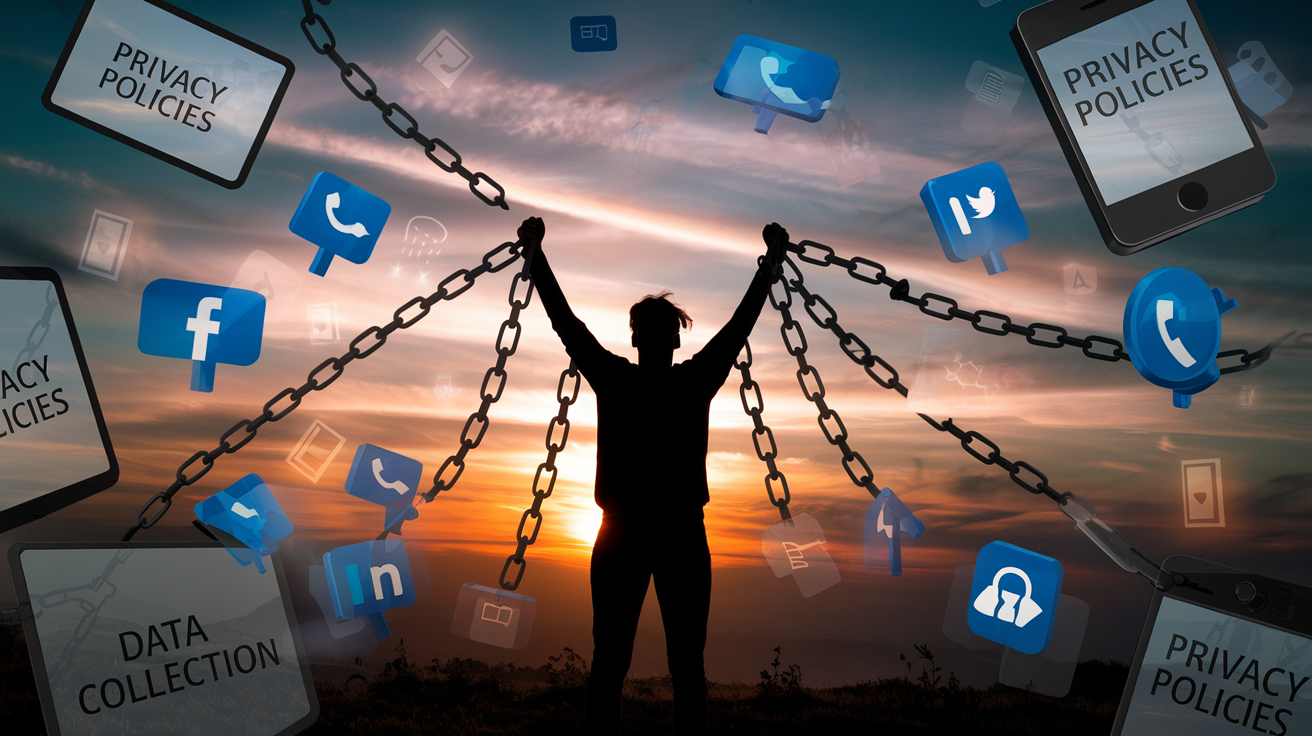
In today's hyper-connected world, maintaining a sense of calm can feel like an uphill battle. Between the constant pings of notifications, algorithmic outrage loops, and malicious actors lurking in the shadows, our online lives often drain our energy rather than enrich it. When we talk about the moments when bad baddies are hijacking your digital peace—inside this comprehensive breakdown, we aren't just talking about hackers stealing credit cards. We are looking at the full spectrum of digital disruptions—from intrusive stalkers and phishing scams to relentless toxic interactions that rob you of your daily tranquility.

Protecting your digital peace requires more than just a strong password; it demands situational awareness. By identifying the exact triggers and vulnerabilities that invite chaos into your virtual space, you can build effective boundaries. Here are the 9 critical moments you need to watch out for and how to handle them.
1. The Midnight Phishing Panic
It is 11:45 PM. You are winding down for bed, and a notification flashes on your phone: "Urgent: Suspicious login attempt detected on your bank account. Click here to secure your funds immediately."
This is a classic social engineering tactic. Cybercriminals intentionally target late-night hours when your cognitive fatigue is highest. They rely on panic to bypass your critical thinking skills. Instead of clicking the link, close the app, open your browser independently, and navigate directly to your bank's official website to check your status. Never let a rushed alert dictate your actions.
2. The Unsolicited DM Drop
You are enjoying a quiet Sunday when a notification pops up from an unknown account. It might be a crypto scammer, a bot trying to fish for personal details, or someone sliding into your messages with hostility.
The moment an unknown entity invades your direct messages without context, your sanctuary is breached. Configure your social media privacy settings so that messages from non-followers go into a filtered request folder rather than pinging your phone directly. Out of sight often means out of mind.
3. The Public Wi-Fi Trap
You sit down at a local coffee shop, pull out your laptop, and connect to the open network labeled "CoffeeShop_Free_WiFi" without a second thought. Moments later, you are logging into your email and working on sensitive documents.
Unsecured public networks are prime hunting grounds for bad actors utilizing man-in-the-middle attacks to snoop on unencrypted traffic. If you must use public Wi-Fi, always run a reputable Virtual Private Network (VPN) to encrypt your data stream and keep prying eyes at bay.
4. The Over-Sharing Social Media Scroll
Sometimes, the threat to your digital peace isn't an external hacker—it's your own digital footprint. Posting your vacation departure dates in real-time, sharing your daily running route, or broadcasting your home layout invites opportunistic surveillance.
Bad actors monitor public profiles to map out routines. Practice delayed posting (sharing your vacation photos *after* you return home) and audit your follower lists regularly to ensure your personal life stays private.
5. The Password Reuse Domino Effect
You receive a notification that a minor website you signed up for five years ago experienced a data breach. You shrug it off because it was "just a forum." However, because you used that same password for your primary email and cloud storage, the dominoes begin to fall.

Credential stuffing is an automated attack method where bad actors test leaked password combinations across major platforms. Break this cycle immediately by adopting a reliable password manager and enabling multi-factor authentication (MFA) everywhere.
6. The Notification Loop of Doom
Your phone buzzes every three minutes. News alerts, promotional emails, social media likes, and group chat updates constantly demand your attention. This creates a state of chronic, low-grade digital anxiety.
While not a traditional cyberattack, this psychological hijacking destroys your focus and peace of mind. Reclaim control by turning off non-human notifications. If a notification didn't come from a living person you care about, disable its right to interrupt your day.
7. The Software Update Postponement
A banner appears on your screen: "Critical security update available. Restart now." You click 'Remind me tomorrow' because you are in the middle of a workflow. Days turn into weeks, and that update is forgotten.
Software vulnerabilities (zero-days) are aggressively exploited by bad actors the moment they become public. Delaying your updates leaves your operating system exposed to automated malware scans looking for an easy open door.
8. The Rogue QR Code Encounter
You walk past a parking meter, a restaurant table, or a promotional flyer and scan a convenient QR code to view a menu or pay a fee. You are redirected to a lookalike login page that asks for your credentials.
Known as "quishing," QR code phishing bypasses traditional email security filters. Always inspect the destination URL before entering sensitive information, and avoid scanning random codes posted in public spaces.
9. The Algorithmic Outrage Trap
You open your favorite feed just to check the weather, and thirty minutes later, you are deep in a comment section war, feeling angry, depleted, and anxious.
Social media algorithms are designed to maximize engagement by promoting polarizing, high-arousal content—essentially weaponizing human psychology against your peace. Recognizing this manipulation is the first step toward disengaging. Curate your feeds aggressively, mute toxic accounts, and remember that you can close the app at any time.
Reclaiming Your Digital Sanctuary
Digital peace isn't something that happens by accident; it is cultivated through intentional boundaries and proactive hygiene. By recognizing these nine moments of vulnerability, you stop playing defense against invisible threats and start setting the rules of engagement in your own online life. Audit your devices today, tighten your settings, and give yourself permission to disconnect.