9pm BST in EST: Fast Conversion Guide
If you are planning an international meeting, tuning into a live European football match, or catching a global broadcast, you may need to convert 9pm bst in est quickly and accurately. At its core, 9:00 PM BST corresponds to 4:00 PM Eastern Daylight Time (EDT), which is the time zone active in the eastern United States for almost the entire duration of British Summer Time. If converted strictly to standard time (UTC-5), 9:00 PM BST equals 3:00 PM Eastern Standard Time (EST).
Understanding the distinction between EST and EDT is vital to avoid missing an appointment or signing on an hour late. Because both the United Kingdom and North America observe daylight saving time on slightly different schedules, cross-continental scheduling requires attention to detail.
Converting 9pm BST in EST and EDT: The Core Calculation
To understand why this conversion produces either 4:00 PM or 3:00 PM, look at the Coordinated Universal Time (UTC) offsets for each zone:
- BST (British Summer Time): UTC+1
- EDT (Eastern Daylight Time): UTC-4
- EST (Eastern Standard Time): UTC-5
Most people casually write "EST" when referring to the local time in cities like New York, Toronto, Miami, or Atlanta, regardless of the season. However, British Summer Time only exists from late March through late October. During those identical spring-to-autumn months, the eastern seaboard of North America is on Eastern Daylight Time (EDT).
When you calculate the difference between UTC+1 (BST) and UTC-4 (EDT), the gap is exactly 5 hours:
9:00 PM BST - 5 hours = 4:00 PM EDT
If you are working with an automated system or a financial instrument that strictly locks to true Eastern Standard Time (UTC-5) year-round without daylight adjustments, the gap expands to 6 hours:
9:00 PM BST - 6 hours = 3:00 PM EST
BST to Eastern Time Conversion Reference Table
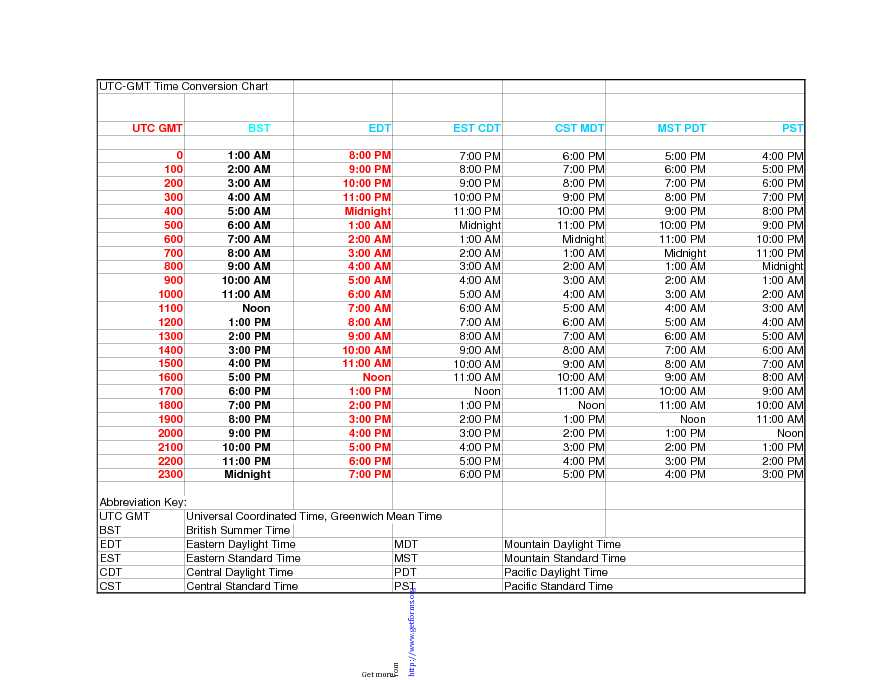
Evening hours in the UK represent late morning to mid-afternoon on the North American East Coast. Here is how late-day British Summer Time aligns with both Eastern Daylight Time (EDT) and strict Eastern Standard Time (EST):
- 6:00 PM BST: 1:00 PM EDT | 12:00 PM EST
- 7:00 PM BST: 2:00 PM EDT | 1:00 PM EST
- 8:00 PM BST: 3:00 PM EDT | 2:00 PM EST
- 9:00 PM BST: 4:00 PM EDT | 3:00 PM EST
- 10:00 PM BST: 5:00 PM EDT | 4:00 PM EST
- 11:00 PM BST: 6:00 PM EDT | 5:00 PM EST
- Midnight (12:00 AM) BST: 7:00 PM EDT | 6:00 PM EST
The Daylight Saving Discrepancy: UK vs. US Calendars
The trickiest aspect of converting UK time to North American time involves the transitional "shoulder weeks" in spring and autumn. The United Kingdom and the United States do not change their clocks on the same weekends.
1. The Spring Transition
Video: M2 UP2D S2JB A VS PLN ES

The United States shifts to daylight saving time (moving from EST to EDT) on the second Sunday in March. The United Kingdom shifts to daylight saving time (moving from GMT to BST) on the last Sunday in March. For approximately two to three weeks in March, the eastern US is already on EDT while the UK remains on Greenwich Mean Time (GMT, UTC+0). During that brief window, the gap between London and New York shrinks to 4 hours.
2. The Autumn Transition
The UK concludes BST on the final Sunday in October, reverting to GMT (UTC+0). The US, however, maintains daylight saving time until the first Sunday in November. For about one week in late October and early November, the UK is on standard time (GMT) while the US remains on daylight time (EDT), creating another temporary 4-hour time difference.
Because of these staggered dates, true BST (UTC+1) and true EST (UTC-5) rarely operate at the exact same calendar moment in the real world. When someone asks for 9pm BST in EST, they almost always mean Eastern Daylight Time.
Practical Scenarios for 9:00 PM BST
Remote Business Collaboration
A meeting set for 9:00 PM BST is late in the evening for professionals in London, Edinburgh, or Belfast. For a colleague in New York, Boston, or Montreal, 4:00 PM EDT falls comfortably toward the end of the standard workday. This slot often serves as an emergency catch-up window or an evening debrief between European founders and North American partners.
Live Sports and Broadcasts
Major sporting events in the UK, such as prime-time Premier League fixtures, evening boxing cards, and tennis tournaments like Wimbledon, frequently feature headline matches beginning around 8:00 PM or 9:00 PM local time. If an event kicks off at 9:00 PM BST, American viewers on the East Coast should tune in at 4:00 PM EDT.
Gaming and Streaming Tournaments
Global esports tournaments, European product launches, and developer keynotes hosted in the UK frequently target 8:00 PM to 9:00 PM BST to capture European evening viewership while still hitting North American audiences during afternoon leisure hours.
Tips for Flawless Cross-Time Zone Scheduling
- Use "ET" (Eastern Time) Instead of "EST": When scheduling invites, label the time zone as Eastern Time (ET) or UTC-4/UTC-5. Specifying generic ET lets modern calendar software automatically apply daylight saving rules without human error.
- Rely on Dynamic Calendar Links: Platforms such as Google Calendar, Microsoft Outlook, and Calendly automatically convert event times into the invitee's local zone. Always send an automated calendar invite rather than relying purely on text in an email.
- Confirm UTC Offsets During March and October: If you are planning an event months in advance that falls around the clock-change weeks, verify whether the UK and US have already shifted their clocks.
- Double-Check 12-Hour vs. 24-Hour Formats: 9:00 PM BST is 21:00 BST. Translating military or 24-hour time directly prevents catastrophic AM/PM reversals, ensuring 21:00 BST maps neatly to 16:00 EDT.
Summary
When converting 9pm BST in EST, remember that the true real-world equivalent during summer months is 4:00 PM EDT (a 5-hour difference). If you are calculating against a non-shifting, strict UTC-5 standard, the result is 3:00 PM EST (a 6-hour difference). For virtually all everyday meetings, broadcasts, and travel plans, setting your alarm for 4:00 PM on the US East Coast will put you right on time.