A Beginner's Guide to Reading Apple Music Charts like a Pro
Demystifying the Apple Music Charts
For music lovers, artists, and industry professionals alike, understanding streaming data is essential. If you want to know what the world is listening to right now, looking at the data is the best way to start. That is why mastering A Beginner's Guide to Reading Apple Music Charts like a Pro can completely change how you discover and consume music.
Apple Music features one of the most robust ranking systems in the streaming ecosystem. Unlike older models that relied solely on physical sales or radio airplay, modern charts reflect real-time listening habits. However, simply glancing at the top ten songs on the homepage doesn't give you the full picture. To truly understand these rankings, you need to know how the charts are structured, what the metrics mean, and how to spot emerging trends before everyone else.
Understanding the Core Chart Categories
Apple Music breaks down its data into several distinct categories. To read the charts effectively, you must first understand what each category represents and how songs qualify for placement.
The Global Top 100
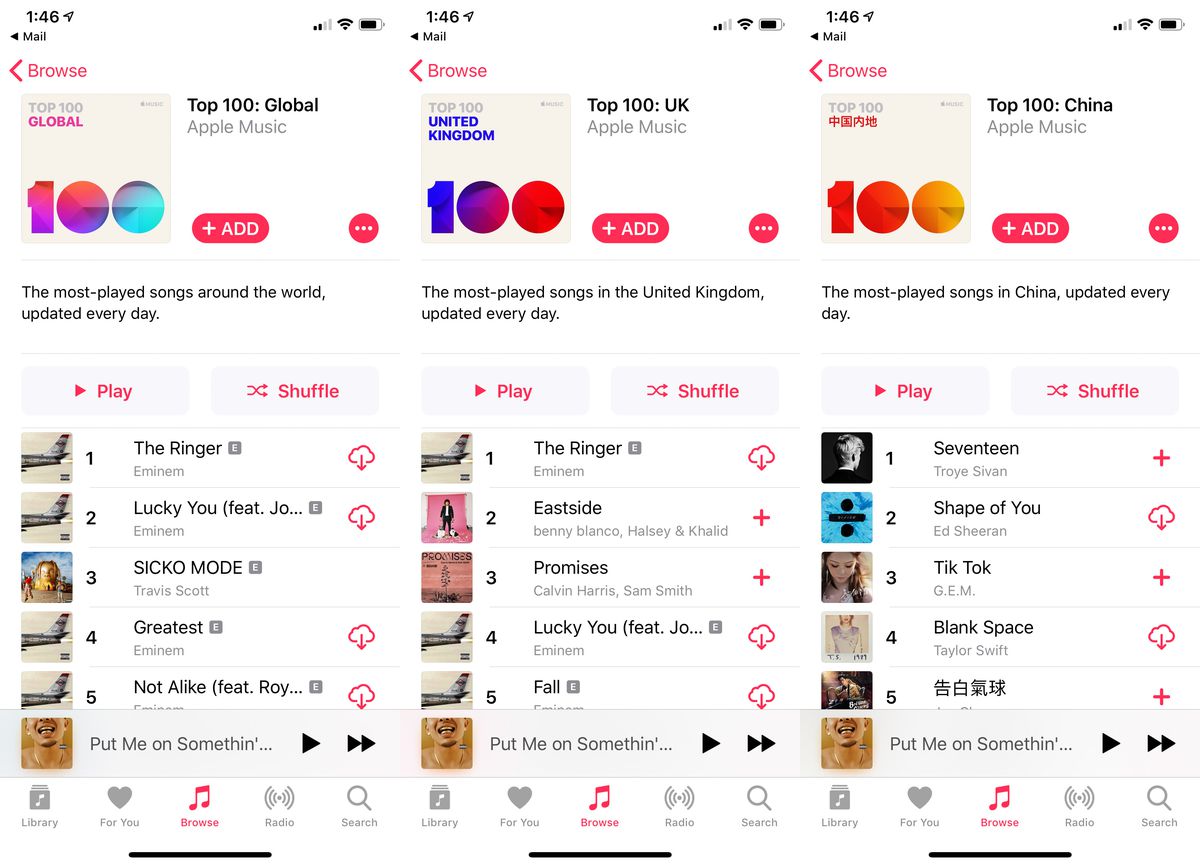
The Global Top 100 is the flagship metric of the platform. It updates daily and represents the most-played tracks worldwide based on a rolling algorithm. When a song hits number one globally, it usually indicates a massive cross-cultural moment or a blockbuster album release from a global superstar. However, looking only at the global chart can sometimes hide regional gems that haven't crossed international borders yet.
City and Country Charts
One of Apple Music’s most powerful features is its geographic breakdown. You can view top charts for over 100 countries and major cities worldwide—from Tokyo to New York and London to Lagos.
- Country Charts: Great for understanding national tastes and discovering localized superstars who might not chart globally.
- City Charts: These update daily and highlight hyper-local listening trends. If a track is blowing up in Atlanta before anywhere else, the Atlanta City Chart will often be the first place you see it.
Genre-Specific Rankings

If you prefer Hip-Hop, Country, Pop, Electronic, or Classical music, the general charts might not serve your specific discovery needs. Apple Music provides dedicated genre charts that filter out everything else. This allows you to see who is truly leading a specific musical movement rather than just competing with mainstream pop heavyweights.
Key Metrics: What Moves the Needle?
To read these lists like a professional, you need to understand the mechanics behind the rankings. Apple Music does not publicly release exact play counts, but the algorithm weighs several critical factors:
First, velocity matters just as much as volume. A track that gains 50% more streams today than it had yesterday will climb much faster than a legacy hit that has steady, unchanging daily plays. This rapid upward momentum is often referred to as chart trajectory.
Second, album versus single consumption plays a role. When a major artist drops a 20-track album, it is common to see a phenomenon known as "album bombing," where nearly every track from the release dominates the top 50 for a few days before settling down.
How to Spot Hidden Gems and Industry Trends
Casual listeners use charts simply to find background music. Pros use them for predictive analysis. Here is how you can train your eye to spot trends early:
- Watch the Risers: Instead of focusing on the top five, scroll down to positions 40 through 100. Look for tracks that jumped 20 or 30 spots overnight. This is often an indicator of a viral social media moment or an aggressive playlist addition.
- Monitor Milestone Streaks: Pay attention to how long a song stays in the top 10. Longevity indicates deep cultural resonance rather than temporary hype driven by marketing budgets.
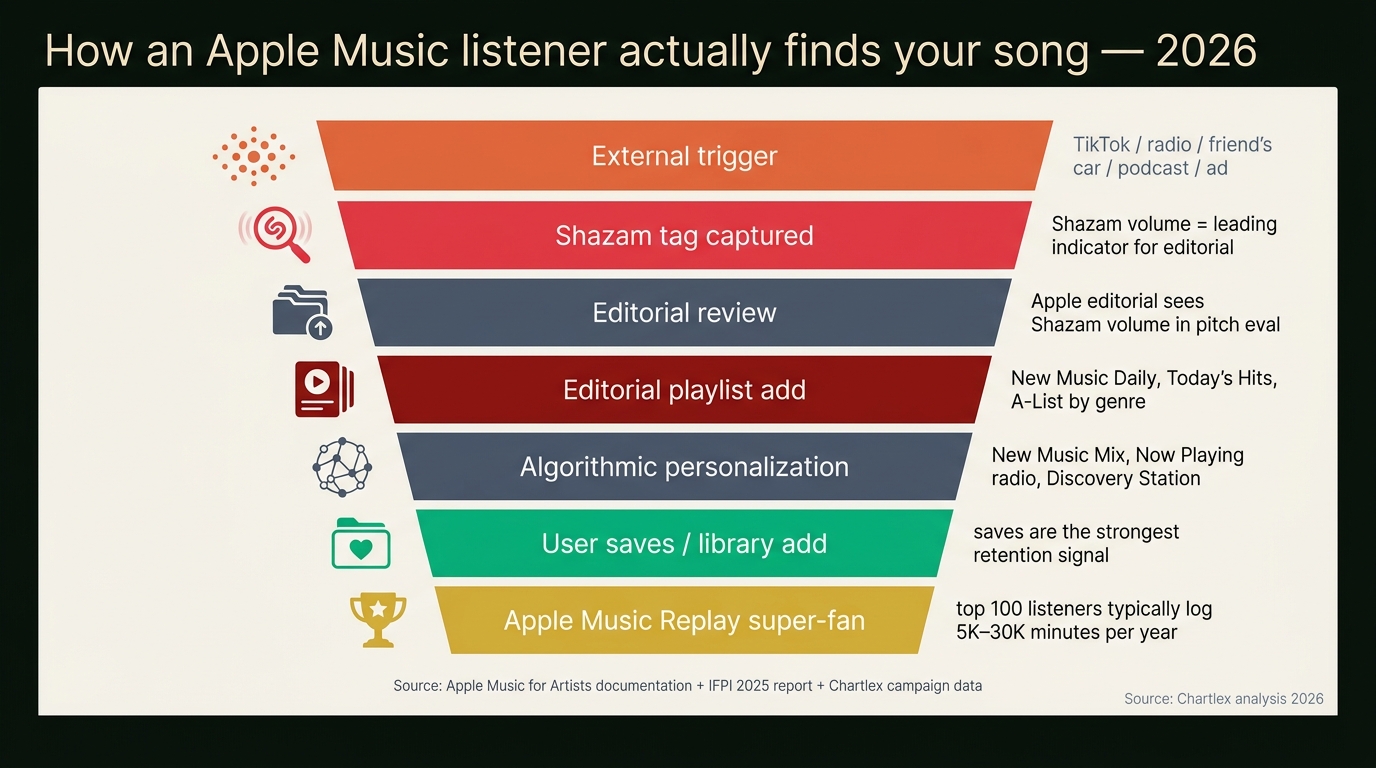
- Cross-Reference with Shazam: Apple owns Shazam, and the data often syncs. If a song is climbing the Shazam discovery charts rapidly, it will usually hit the Apple Music regional charts within a week.
Conclusion: Put Your Knowledge to Work
Reading music data doesn't require a degree in data science. By looking past the obvious number-one spot and diving into city rankings, genre filters, and daily momentum shifts, you can uncover the future of music today. Open up your app, check out the regional lists, and start analyzing the soundscape like a true industry insider.