A Christmas Carol Jim Carrey: Behind the Magic
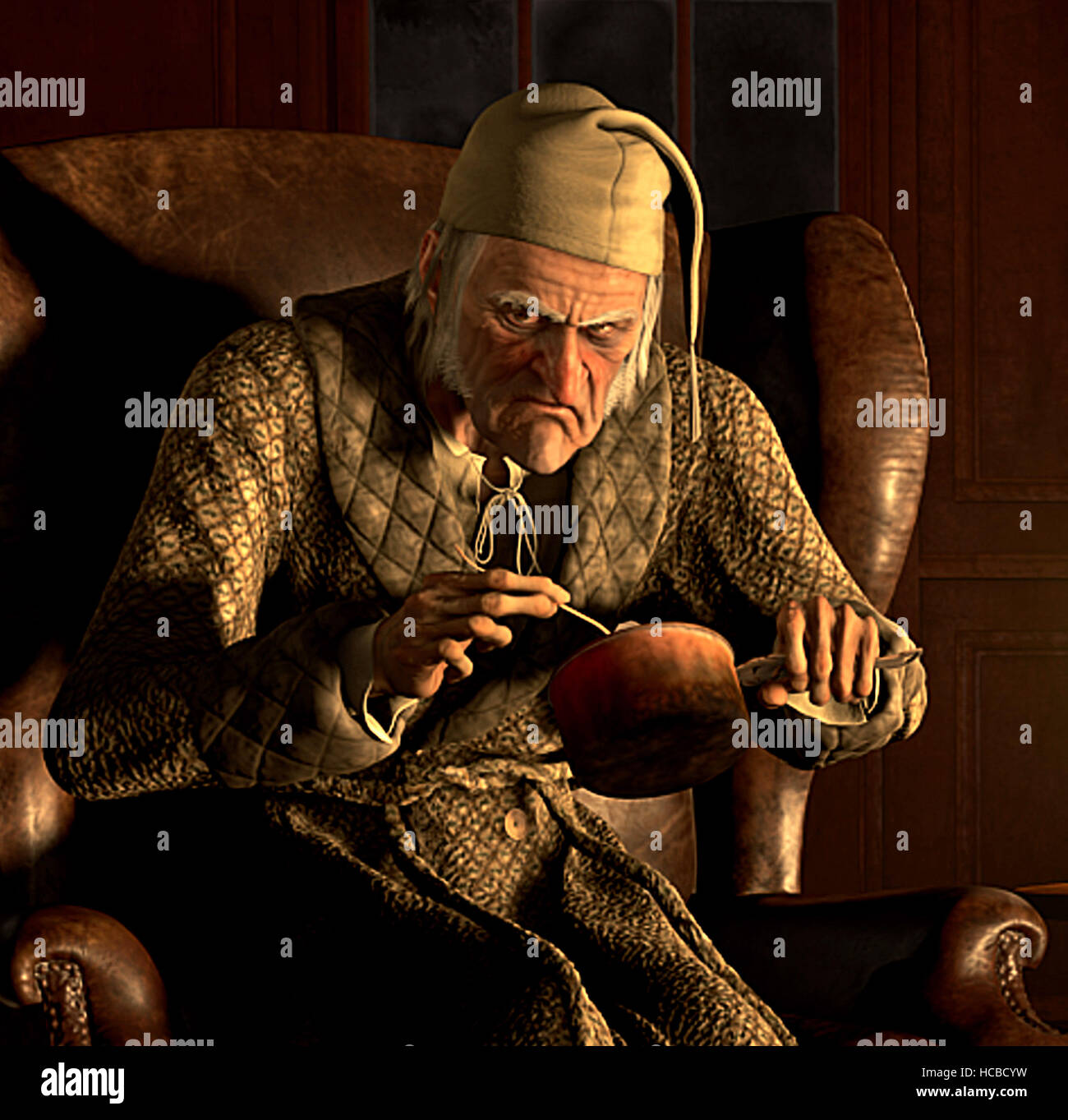
When Disney and director Robert Zemeckis released their 2009 adaptation of Charles Dickens's timeless holiday story, they chose a uniquely ambitious medium to tell it. At the center of this cinematic experiment was the Christmas Carol Jim Carrey project, a film that required its lead actor to shoulder an immense dramatic and physical load. Rather than relying on traditional live-action makeup or standard voice acting, the production embraced cutting-edge performance capture technology to reinterpret Victorian London.
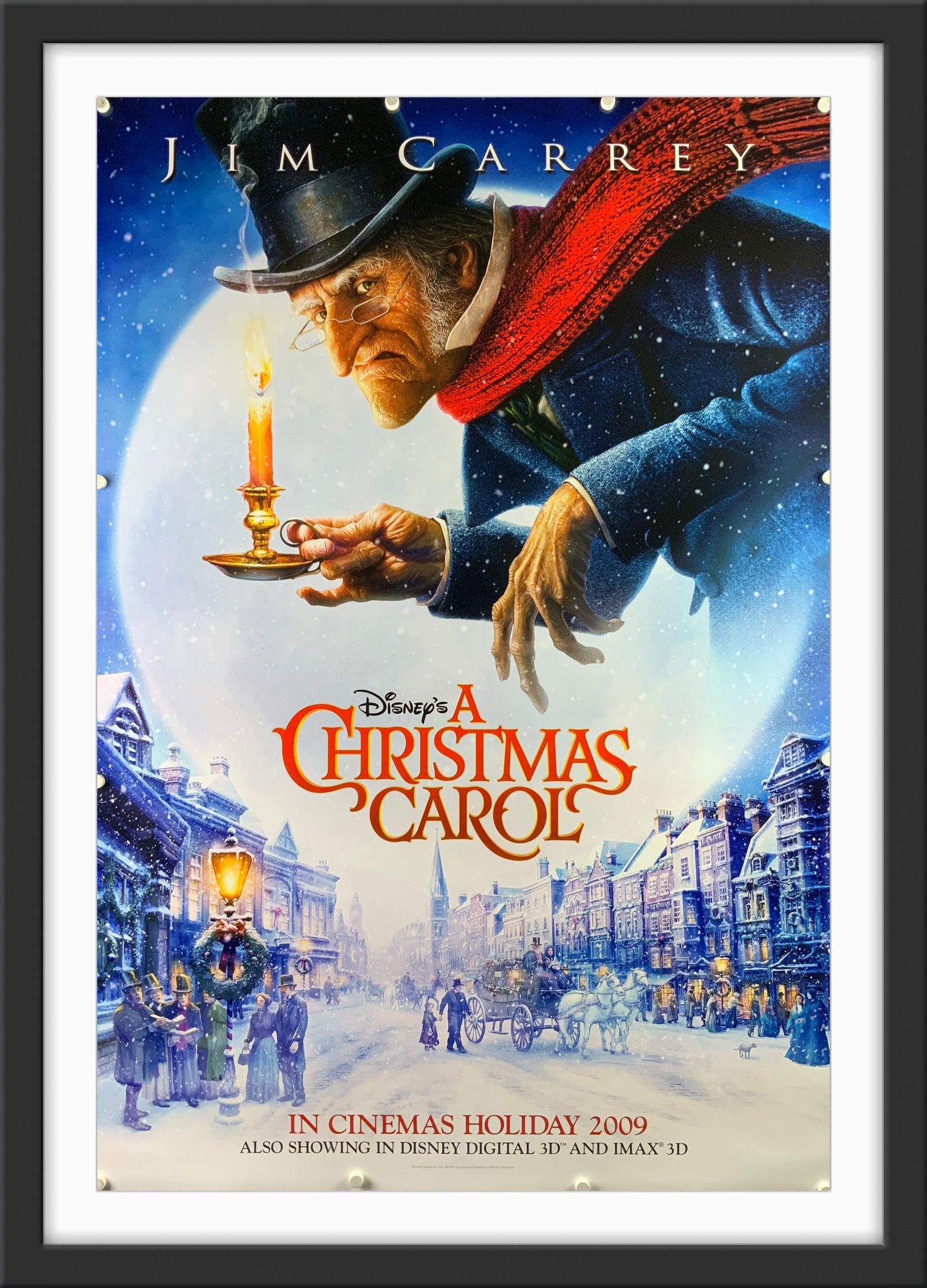
While initial reactions varied upon its theatrical release, the film has since developed a dedicated following. Viewers appreciate its fidelity to the darker, more atmospheric elements of Dickens's original 1843 novella. Let's explore how this unique holiday film was made, the technology behind it, and why Jim Carrey’s multifaceted performance remains a standout achievement.
The Technology Behind the Animation
To understand the 2009 film, you have to look at the tools Robert Zemeckis used. Having previously directed The Polar Express (2004) and Beowulf (2007), Zemeckis was heavily invested in performance-capture (often called motion capture or mo-cap). This technique records the physical movements and facial expressions of actors via specialized camera systems and dozens of infrared markers placed on specialized suits and dots on the actors' faces.
Instead of traditional animation where artists draw every frame from scratch, the computer translates the actors' actual performances into digital skeletons. Animators then refine the digital skin, hair, and clothing to create the final rendered characters. This allowed Zemeckis to move his virtual camera in sweeping, impossible angles that would have been physically impractical on a traditional physical set.
Playing Multiple Roles
One of the most remarkable aspects of the Christmas Carol Jim Carrey film is that Carrey didn't just play Ebenezer Scrooge. Thanks to the flexibility of performance capture, Carrey portrayed:
- Ebenezer Scrooge across multiple life stages (young, middle-aged, and elderly)
- The Ghost of Christmas Past
- The Ghost of Christmas Present
- The Ghost of Christmas Yet to Come
Playing the spirits allowed Carrey to inject distinct physicalities and vocal registers into each manifestation. The Ghost of Christmas Past, for instance, features an ethereal, flickering quality with a hauntingly gentle voice, while the Ghost of Christmas Present is a booming, jovial giant who rapidly ages as Scrooge's lesson progresses.
A Faithful Yet Darker Adaptation
Many cinematic versions of Dickens's novella soften the edges to make the story more palatable for very young children. However, the 2009 adaptation leans directly into the spooky, gothic atmosphere present in the original text. Dickens subtitled his book A Ghost Story of Christmas, and Zemeckis took that subtitle to heart.

The film incorporates genuine jump scares, eerie visual distortions, and bleak depictions of poverty, personified by the ragged children Ignorance and Want beneath the robes of the Ghost of Christmas Present. Critics noted that the movie could be intense for younger audiences, but book purists praised it for not shying away from the moral gravity and chilling supernatural elements that drive Scrooge toward his eventual redemption.
The Supporting Cast
While Jim Carrey carried the heavy lifting of the protagonist and the spirits, he was surrounded by a stellar ensemble cast who also lent their physical performances via motion capture:
- Gary Oldman as Bob Cratchit, Jacob Marley, and Tiny Tim (providing both voice and movement for Tiny Tim, alongside physical reference).
- Colin Firth as the endlessly optimistic nephew, Fred.
- Robin Wright as Belle, Scrooge's lost love.
- Bob Hoskins as Mr. Fezziwig and Old Joe.
This stellar supporting cast anchored the emotional reality of the film, ensuring that beneath the digital spectacle lay genuine human warmth and pathos.
Legacy and Holiday Viewing Tradition
In the years since its premiere, public perception of this digital adaptation has evolved. Initially judged against the backdrop of skepticism surrounding early motion-capture films, it is now frequently revisited by families looking for a visually striking alternative to traditional versions like the 1984 George C. Scott classic or the beloved Muppet adaptation.
Jim Carrey's vocal delivery captures the full arc of Scrooge's transformation—from the bitterly misanthropic "Bah! Humbug!" at the start to the giddy, redeemed child running through the snow on Christmas morning. His physical training, honed through decades of iconic live-action comedic and dramatic work, shines through the digital translation.
Conclusion
Whether you view it as a chilling ghost story or an inspiring tale of personal redemption, the Christmas Carol Jim Carrey vehicle remains a fascinating cinematic artifact. By combining Victorian literature with 21st-century digital filmmaking, the production created a distinct visual landscape that honors the spirit of Charles Dickens while offering something entirely new for the holiday season.