A Complete Guide to J C Press Machines and Uses
When exploring heavy-duty metal fabrication and industrial manufacturing, equipment reliability dictates overall production efficiency. Among the various types of mechanical presses used in modern workshops, the J C press stands out as a versatile and robust machine. Whether you are stamping, blanking, or drawing sheet metal, understanding the mechanics and capabilities of this equipment is essential for optimizing your production line.
Understanding the J C Press
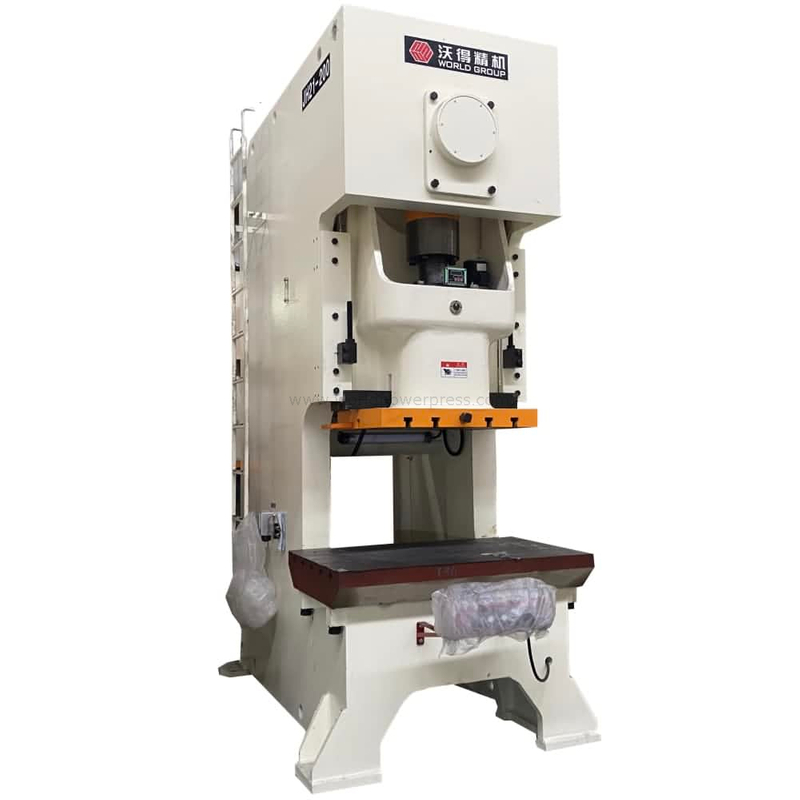
A J C press is a specific classification of mechanical power press heavily utilized in metalworking industries. These machines convert rotational motor energy into linear force via a crankshaft, flywheel, and clutch mechanism. The resulting downward force allows manufacturers to cut, shape, and form metal components with high repeatability and precision.
Unlike hydraulic presses, which rely on fluid pressure and can maintain tonnage throughout a longer stroke, mechanical presses like the J C series deliver peak tonnage near the bottom of the stroke. This makes them exceptionally well-suited for high-speed operations where parts must be produced in massive quantities without sacrificing dimensional accuracy.
Key Features and Design Mechanics
The engineering behind a standard J C press focuses on durability, operator safety, and structural rigidity. Here are the core structural components that define its performance:
- Heavy-Duty Frame: Usually constructed from high-grade cast iron or fabricated steel to minimize deflection under heavy loads.
- Flywheel and Clutch Assembly: Stores and transfers rotational energy efficiently, ensuring consistent stroke rates.
- Ram and Slide Mechanism: Holds the upper die and moves vertically along precision-machined guideways.
- Bed and Bolster Plate: Provides a stable, flat surface to securely mount the lower die.
Primary Industrial Applications
Because of their versatility and speed, J C press machines find a home across a wide spectrum of manufacturing sectors. Understanding where these presses excel helps facility managers assign the right tool to the right job.
Metal Stamping and Piercing
In high-volume automotive and electronics manufacturing, stamping intricate shapes from sheet metal coils is a daily necessity. A J C press provides the rapid cycle times required to punch, pierce, and blank components efficiently.
Coining and Embossing

The high bottom-stroke tonnage of mechanical presses makes them ideal for coining—the process of stamping fine details onto metal surfaces. This includes everything from decorative hardware to industrial tags and coinage.
Bending and Forming
With the appropriate tooling installed, these presses can bend sheet metal at precise angles to create brackets, chassis components, and structural enclosures.
Advantages of Using a Mechanical J C Press
Investing in reliable press machinery directly impacts a facility's bottom line. The J C press offers several distinct advantages over alternative forming methods:
- High Production Speeds: Mechanical presses typically outperform hydraulic equivalents in strokes per minute (SPM).
- Energy Efficiency: The flywheel stores energy between strokes, reducing continuous electrical draw from the motor.
- Repeatable Accuracy: Fixed stroke lengths ensure identical part dimensions across runs of thousands of units.
- Lower Maintenance Costs: Fewer seals and fluid lines mean reduced risk of hydraulic leaks and simplified routine maintenance.
Safety Considerations and Maintenance
Operating heavy industrial machinery demands strict adherence to safety protocols. Mechanical presses store a tremendous amount of kinetic energy, meaning safety interlocks and light curtains are non-negotiable components of any modern setup.
Routine maintenance routines for a J C press should include daily checks of the lubrication system, regular inspections of the clutch and brake linings, and periodic alignment checks on the ram and slide. Keeping moving parts well-lubricated prevents premature wear and extends the operational lifespan of both the machine and your expensive tooling dies.
Conclusion
The J C press remains a cornerstone of efficient metal fabrication. By delivering reliable mechanical force, rapid cycle times, and structural durability, it helps manufacturers meet high-volume production demands with consistency. Evaluating your facility's tonnage requirements, stroke length needs, and production volume will help you select the ideal press configuration for your operations.