A History of Vintage Naturists & Naked Culture
When we think of naturism today, images of modern resort pools, sun-drenched beaches, and body-positive social media campaigns often come to mind. However, the roots of this movement run much deeper than contemporary wellness trends. The history of vintage naturists reveals a fascinating countercultural shift that began over a century ago, merging health reform, back-to-nature philosophies, and a radical reimagining of the human form.

Understanding where modern naturism comes from offers valuable insight into how society views health, clothing, and personal freedom. Far from being a modern invention, the desire to cast off restrictive garments and embrace the elements has a rich, century-old heritage.
The Origins of the Early Naturist Movement
The organized naturist movement—initially known as 'nudism' or *Freikörperkultur* (Free Body Culture)—originated in late 19th and early 20th-century Germany and Northern Europe. Industrialization had crammed populations into smoky, soot-stained cities. At the same time, Victorian fashion dictated heavy, restrictive garments that corseted the waist, covered the limbs, and blocked out life-giving sunlight and fresh air.
Health reformers of the era pushed back against these conditions. They argued that urbanization was breeding disease, fatigue, and moral decay. By shedding clothes in designated outdoor spaces, early pioneers believed humans could reconnect with nature, improve physical vigor, and cultivate mental clarity.
Key Philosophies of Early Pioneers
The mindset of vintage naturists was rooted in specific philosophical pillars:
- Heliotherapy: The belief that direct sunlight (heliotherapy) could cure and prevent illnesses like tuberculosis, rickets, and skin conditions.
- Moral Purity: Surprisingly, many early nudist groups emphasized a strict moral code. They believed that seeing the body without clothes in a wholesome, natural setting would strip away unhealthy sexual fetishization and promote wholesome innocence.
- Egalitarianism: Stripping away clothes theoretically removed markers of social class, wealth, and status, allowing people to interact purely as human beings.
How Vintage Naturists Lived and Traveled
Life for early naturists was remarkably intentional. Without the luxury of modern digital entertainment, participants focused on community building, physical fitness, and outdoor activities. Camps and clubs began to sprout across Europe and eventually North America.
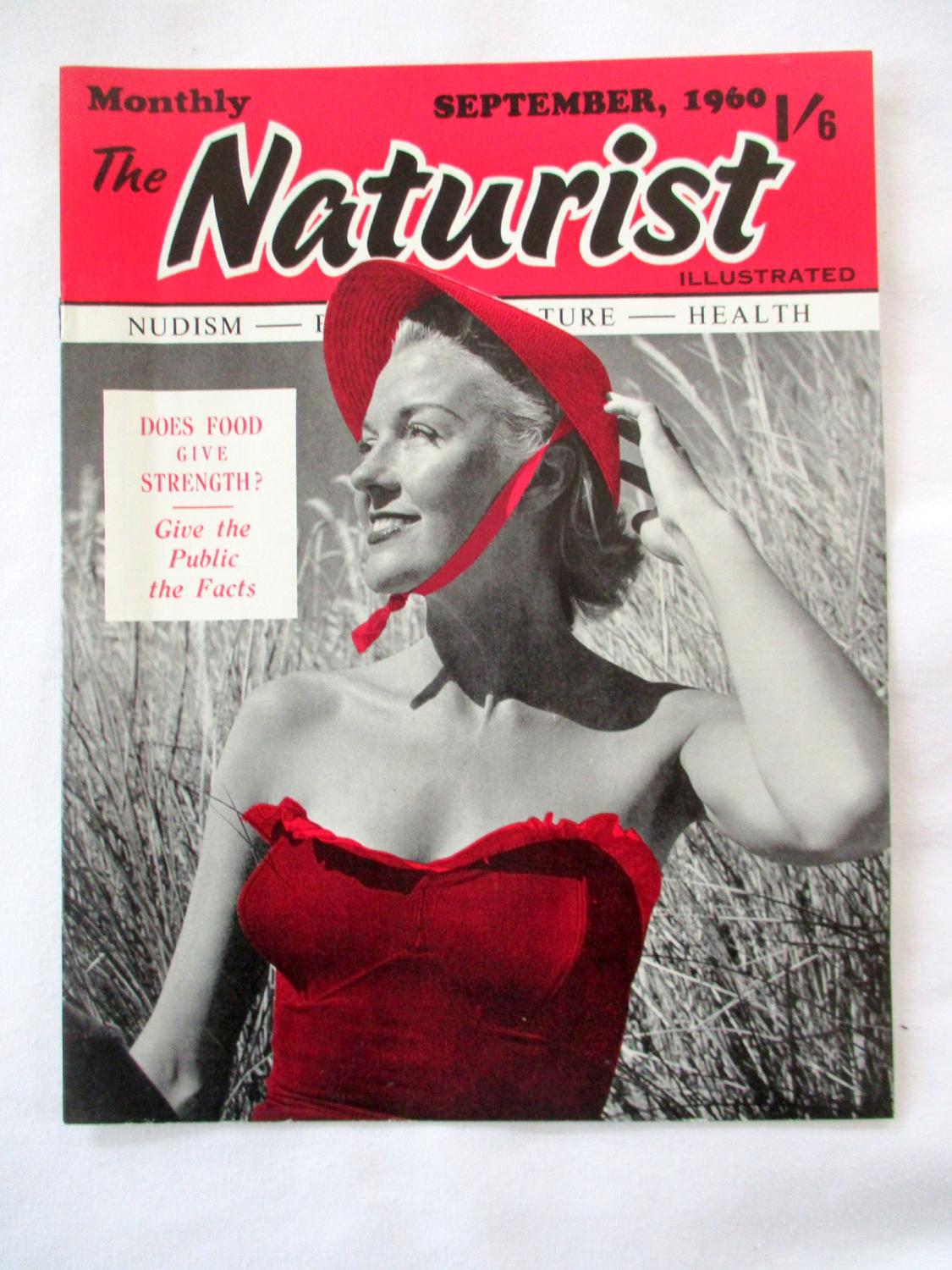
Life at a vintage naturist camp was structured around healthy living. Days typically involved calisthenics, team sports, swimming, gardening, and long hikes. Meals were often simple, featuring fresh, locally grown produce. Photography played a major role in documenting this era; magazines and pamphlets distributed across Europe and the United States showcased glowing, athletic men and women thriving under the sun, challenging the prudish norms of mainstream society.
The Spread to North America
By the 1930s, the movement had crossed the Atlantic. Organizations like the American Sunbathing Association (later known as The Naturist Society) were formed to legitimize and protect the rights of those practicing social nudism.
Early American naturists faced significant legal and cultural hurdles. Laws regarding public indecency were rigid, and police raids on secluded nudist camps were not uncommon. To survive, early clubs operated as private, members-only sanctuaries hidden deep in rural countrysides. Members underwent rigorous vetting processes to ensure they joined for health and philosophical reasons rather than voyeurism, fiercely protecting the family-friendly, wholesome atmosphere of their communities.
Legacy and Modern Impact
The trailblazers of early clothing-free culture paved the way for many aspects of modern life that we take for granted today. Their insistence on the therapeutic benefits of sunlight influenced modern dermatology, exercise science, and public health.
Furthermore, the visual legacy left by vintage naturists—preserved in sepia-toned photographs, vintage magazines, and historical archives—offers a poignant reminder of the power of body acceptance. Long before body positivity became a mainstream hashtag, these pioneers were actively proving that natural human bodies come in all shapes, sizes, and ages, deserving of dignity, freedom, and fresh air.
Today, as society continues to grapple with body image pressures and digital fatigue, the ethos of the early naturist movement feels remarkably relevant. Their pursuit of simplicity, community, and a harmonious relationship with the natural world remains an enduring inspiration for anyone looking to step back, breathe deeply, and reconnect with their most authentic self.


