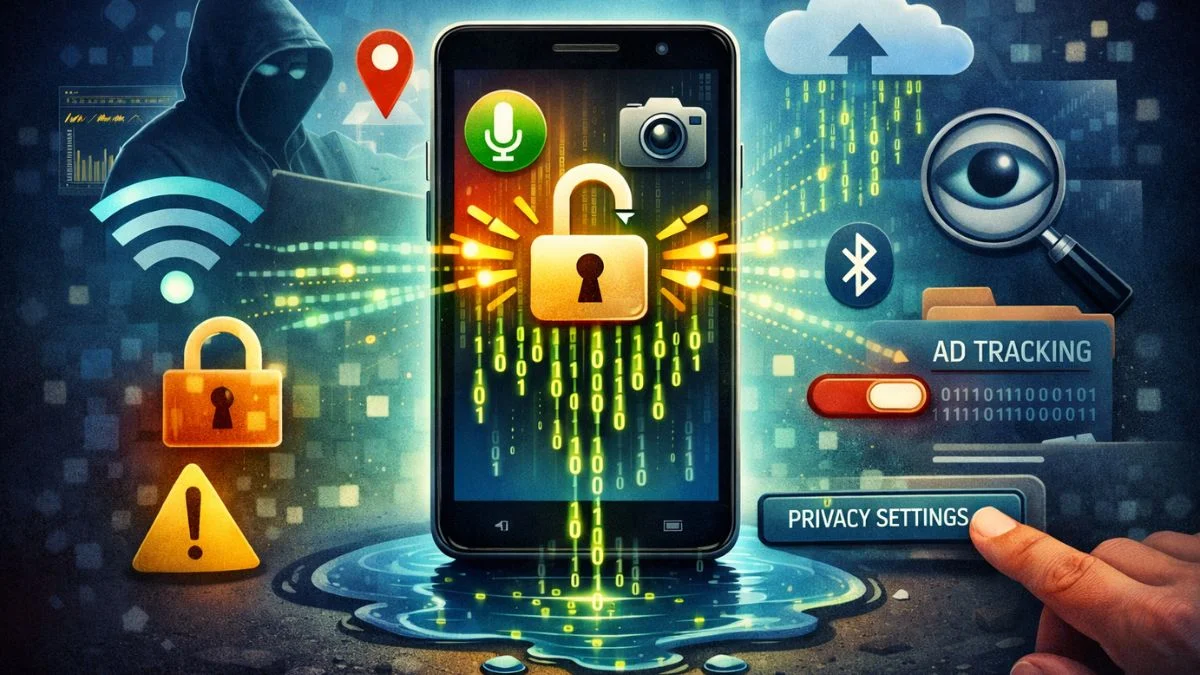
A Mobile Data Leak Wake-Up Call
Understanding the Scale of the Breach

In the digital age, we have grown accustomed to headlines about corporate data breaches. Usually, we hear about massive retail databases being compromised or social media giants spilling user credentials. However, a recent security incident has brought the threat directly to our pockets. This leak isn’t just scandalous—it’s a wake-up call for every mobile user who assumes their smartphone is an impenetrable fortress.
The breach involved a staggering volume of sensitive telemetry data, location histories, and unique device identifiers. Unlike past incidents that primarily affected desktop users or enterprise servers, this event underscores the fragile nature of mobile operating system ecosystems. When third-party apps, rogue advertising networks, and insecure cloud buckets intersect, the privacy of everyday users evaporates in seconds.
Why Mobile Devices Are Prime Targets
Smartphones are intimate extensions of our lives. They track our physical locations, store our financial information, record our biometric data, and host our private communications. Because they hold such a high concentration of valuable information, cybercriminals and aggressive data brokers are heavily motivated to find backdoors.
The Illusion of App Store Security
Many users operate under the false assumption that official app stores—whether Apple's App Store or Google Play—act as foolproof gatekeepers. While automated scans and human reviewers catch thousands of malicious applications every month, sophisticated stalkerware, adware, and data-harvesting SDKs (Software Development Kits) still slip through the cracks.
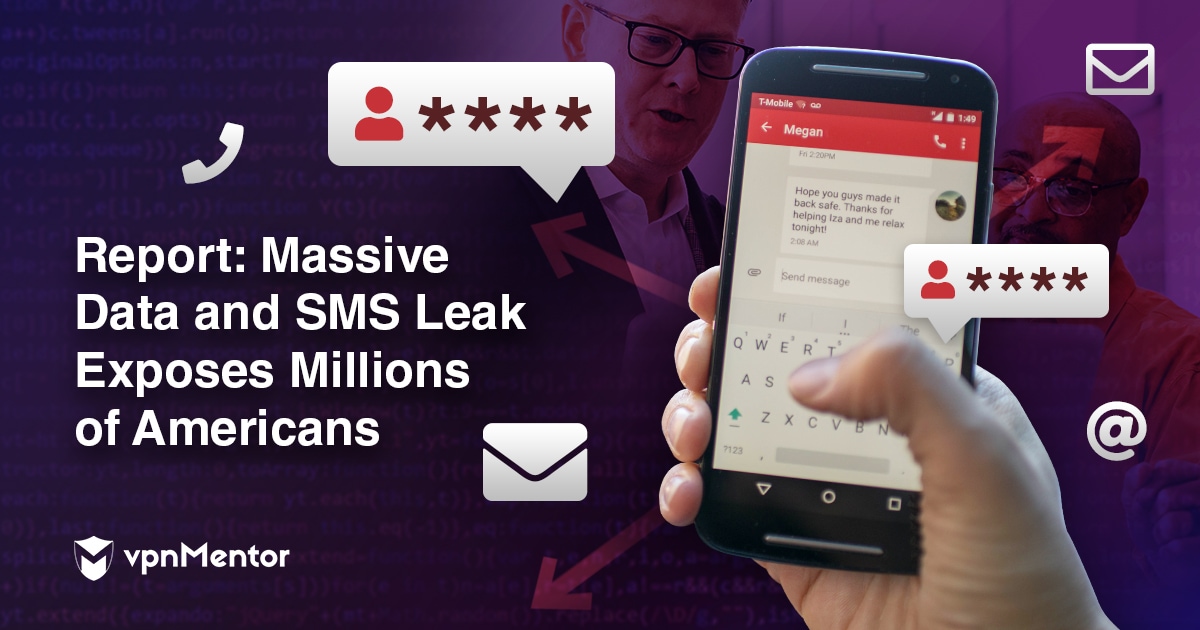
Once an app is installed, it often requests permissions that far exceed its core functionality. A simple flashlight app requesting access to your contacts and precise GPS location is a classic red flag, yet millions of users click "Allow" without a second thought.
Hidden Trackers and Background Data Harvesting
The recent leak exposed a web of invisible trackers embedded deep within popular mobile applications. These trackers silently siphon data in the background, bundling your browsing habits, Wi-Fi network connections, and device specs into profiles sold to the highest bidder. This isn't just an abstract privacy violation; it creates a detailed digital twin of your daily life that can be exploited, subpoenaed, or leaked.
Actionable Steps to Secure Your Smartphone
Panicking won't fix your digital footprint, but proactive defense will. If you want to insulate yourself against the fallout of modern mobile leaks, you need to audit your device settings and digital habits immediately.
- Revoke Unnecessary App Permissions: Go into your iOS or Android settings and review every app's access to your location, microphone, camera, and contacts. If an app doesn't strictly need a permission to function, turn it off.
- Purge Inactive Applications: Delete any apps you haven't used in the last month. Fewer apps mean fewer potential vectors for data leakage.
- Limit Ad Tracking: Enable options like "Ask App Not to Track" on iOS or opt out of personalized ads and reset your Advertising ID on Android.
- Keep Your OS Updated: Operating system updates often patch critical zero-day vulnerabilities that hackers use to gain root access to your device.
Moving Forward in an Era of Digital Exposure
The modern mobile landscape requires a healthy dose of digital skepticism. We can no longer afford to treat our smartphones as safe zones by default. By recognizing that this leak isn’t just scandalous—it’s a wake-up call for every mobile user, we can shift our behavior from passive complacency to active digital hygiene. Take ten minutes today to review your device permissions, audit your installed applications, and reclaim control over your personal data.