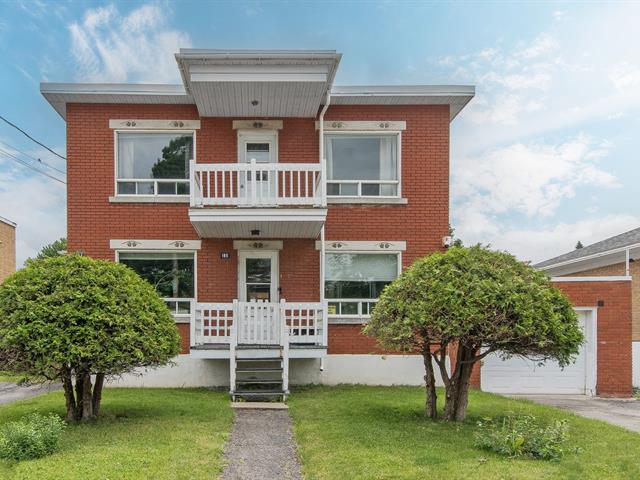
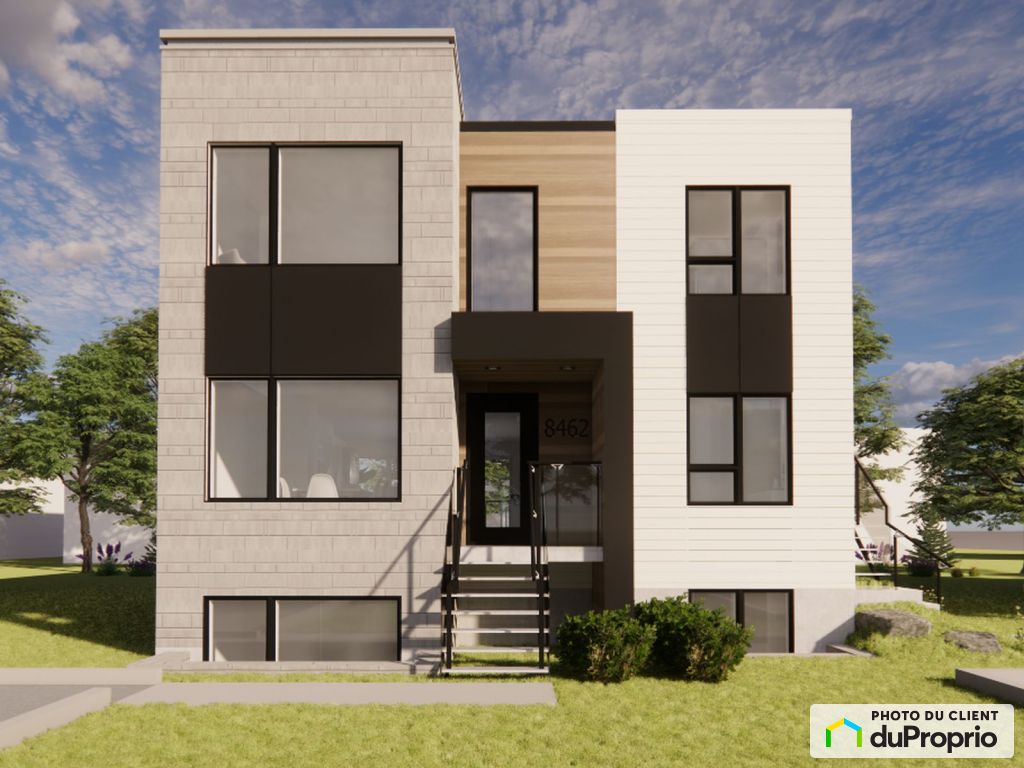
A Vendre Duplex: Smart Buyer's Guide
When browsing classifieds and MLS databases for a vendre duplex listings, you are looking at one of the most reliable wealth-building vehicles in real estate. Popularized heavily in bilingual Canadian markets such as Montreal, Quebec City, and Gatineau—as well as select European regions—the duplex represents the ideal entry point into multi-family property ownership. Whether you intend to live in one unit while leasing the second, or rent out both for immediate passive income, understanding how to navigate these opportunities is essential.

Understanding the Strategic Value of a Duplex
A duplex is a single residential structure containing two distinct living units, each equipped with its own kitchen, bathroom, and private entrance. From an investment perspective, this dual configuration shifts the risk profile dramatically compared to single-family detached homes.
First, risk is distributed. If a single-family rental sits vacant, your income drops to zero percent while fixed liabilities remain constant. With a two-unit asset, a vacancy in one unit still leaves fifty percent of your gross rental income intact to service mortgage debt and property taxes.
Second, duplexes allow for an investment strategy known as "house hacking." By occupying one unit as your primary residence, you qualify for lower down payment thresholds and favorable residential lending rates while using your tenant's rent to subsidize or entirely eliminate your monthly housing costs.
Navigating "A Vendre Duplex" Listings in Competitive Markets
In regions where listings are typically tagged in French, identifying a viable property requires reading between the marketing lines. Standard property descriptions will outline unit configurations (such as a 5½ on the main floor and a 4½ upstairs), but successful buyers evaluate listings based on specific operational fundamentals:
- Utility Separation: Look closely at the mechanical specifications. Are there two independent electrical meters and separate heating systems? If heating or electricity is centralized, you as the landlord will bear the burden of unpredictable utility price hikes.
- Zoning and Legal Conformity: Verify that the building is legally registered as a two-unit dwelling. Basement suites or converted attics are sometimes unpermitted, exposing new owners to municipal fines or costly de-conversion orders.
- Parking and Exterior Access: In urban centers, dedicated parking, garage space, and private balconies directly influence rent ceilings and tenant retention.
Financial Analysis: How to Underwrite a Duplex
A property can look structurally sound while being an absolute liability on paper. Before submitting an offer, conduct a thorough underwriting exercise using verified trailing figures rather than optimistic seller projections.
1. Gross Rent Multiplier (GRM)
The Gross Rent Multiplier offers a quick, high-level screen for value. Divide the listing price by the annual gross rental income:
GRM = Purchase Price / Gross Annual Rent
While target GRMs vary heavily by neighborhood, a lower number generally indicates a better yield relative to the acquisition price.
2. Net Operating Income (NOI) and Cap Rate
To understand actual performance, calculate Net Operating Income by subtracting all operating expenses (excluding debt service) from your gross effective income:
- Municipal and school taxes
- Building insurance
- Maintenance and repair reserves (budget 5% to 8% of gross rent)
- Vacancy and bad debt allowance (budget 3% to 5%)
- Snow removal, landscaping, and common utilities
Once you have the NOI, divide it by the purchase price to find the Capitalization Rate (Cap Rate). Comparing capitalization rates across identical neighborhoods reveals whether the seller has priced the asset fairly.
Financing Options: Owner-Occupant vs. Pure Investor
Your financing path changes significantly depending on whether you plan to move into one of the units.
Owner-Occupied Purchases
If you plan to occupy one unit as your primary residence, regulatory bodies (such as the CMHC in Canada) allow down payments as low as 5% to 10%, depending on purchase price limits. Furthermore, lenders will typically allow you to use a portion of the projected or existing rental revenue from the second unit to help you qualify for a larger loan.
Investor Purchases
If you purchase the property purely as an arm's-length investment, traditional lenders require a minimum down payment of 20%. Lenders will scrutinize the building's debt-service coverage ratio (DSCR), demanding proof that the net rental income comfortably covers debt obligations.
Due Diligence: Inspecting the Physical Asset
Physical inspections for duplexes require deeper analysis than single-family homes. Beyond standard structural integrity, pay attention to elements unique to shared living environments:
- Acoustic Isolation: Sound transfer between units is the number one cause of tenant disputes. Inspect floor and ceiling assemblies to determine if modern acoustic membranes or resilient channels are present.
- Plumbing and Sewer Lateral: Older multi-family buildings often feature aging cast-iron or galvanized supply lines. Always hire a specialist to scope the main drain line out to the municipal connection with a camera.
- Roofing and Envelopes: Flat roofs are common in urban duplex construction. Confirm the age of the elastomeric membrane or asphalt-and-gravel surface, as replacement costs can quickly deplete your initial capital reserves.
Navigating Tenant Laws and Lease Transfers
When you purchase an existing duplex, you acquire the existing leases and the tenants under their current terms. In heavily regulated tenant markets—such as Quebec under the Tribunal administratif du logement (TAL)—buyers must navigate clear legal guidelines:
- Rent Control: You cannot arbitrarily raise rents simply because the property changed hands. Rent adjustments must align strictly with local statutory frameworks and actual capital expenditures.
- Repossession for Personal Use: If you intend to move into a tenant-occupied unit, strict notification timelines apply (typically six months before lease expiration for standard one-year terms). Specific criteria must be met, and bad-faith repossessions carry substantial financial liabilities.
Making an Offer and Closing the Deal
Once you find a duplex that meets your financial and physical criteria, craft an offer that protects your capital. Essential conditions should always include:
- Satisfactory building inspection by a certified inspector.
- Full review and written verification of all active lease agreements.
- Confirmation of utility bills and municipal tax assessments.
- Secured financing clearance from your lending institution.
By systematically reviewing operating statements, understanding regional tenant rights, and carefully evaluating the physical structure, you transform your search for duplex properties from an emotional wager into a calculated, profitable real estate investment.