A10 Warthog Round Size: Dimensions, Weight, and Power
Introduction to the A-10 Thunderbolt II and its Autocannon
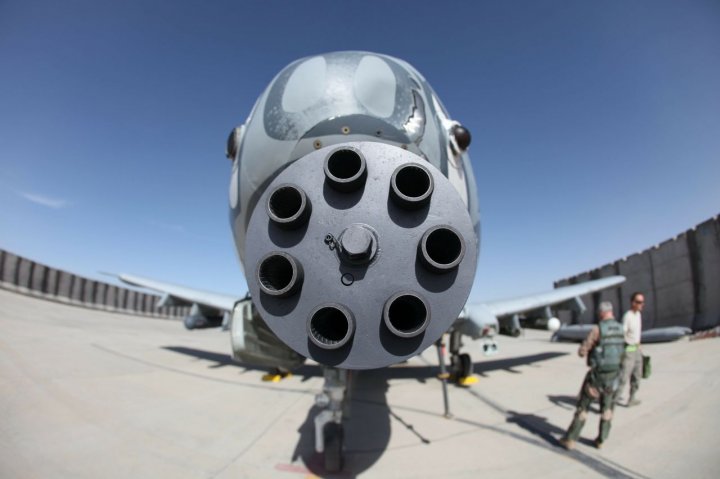
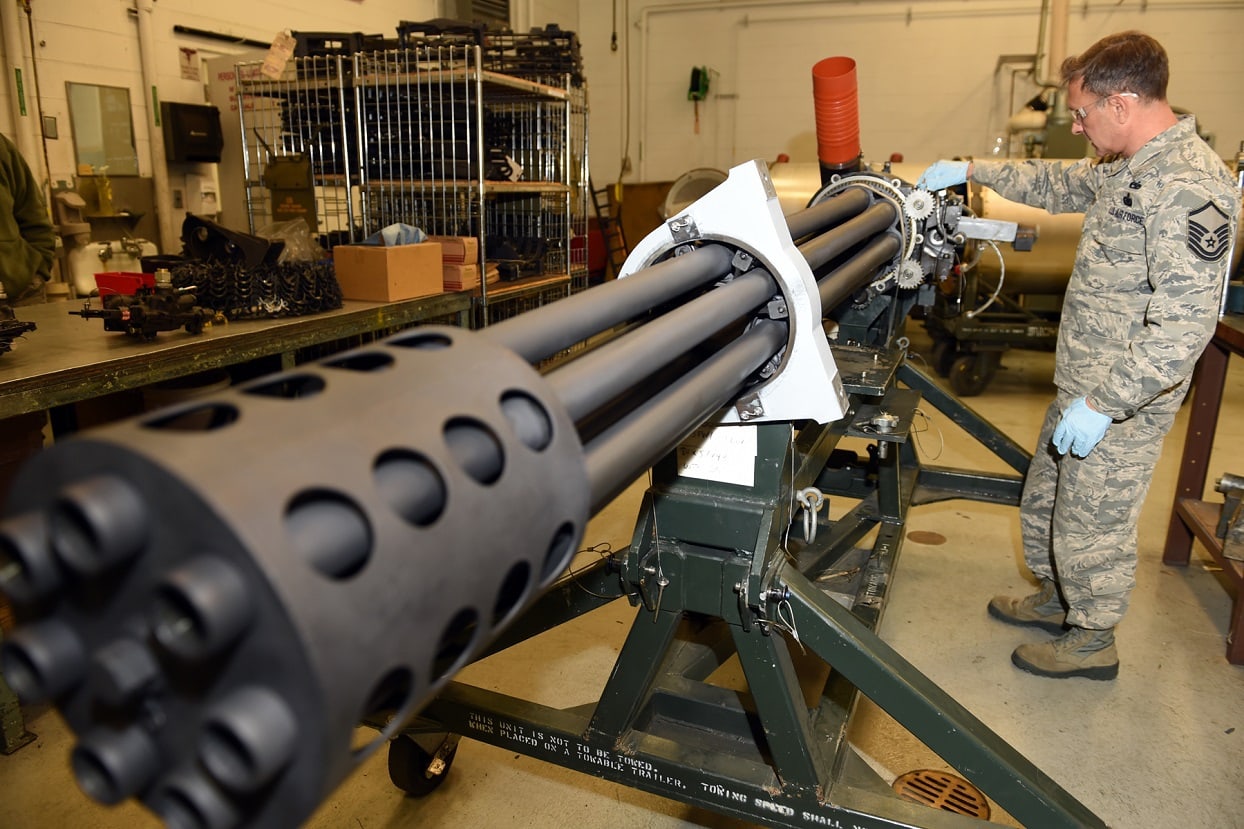
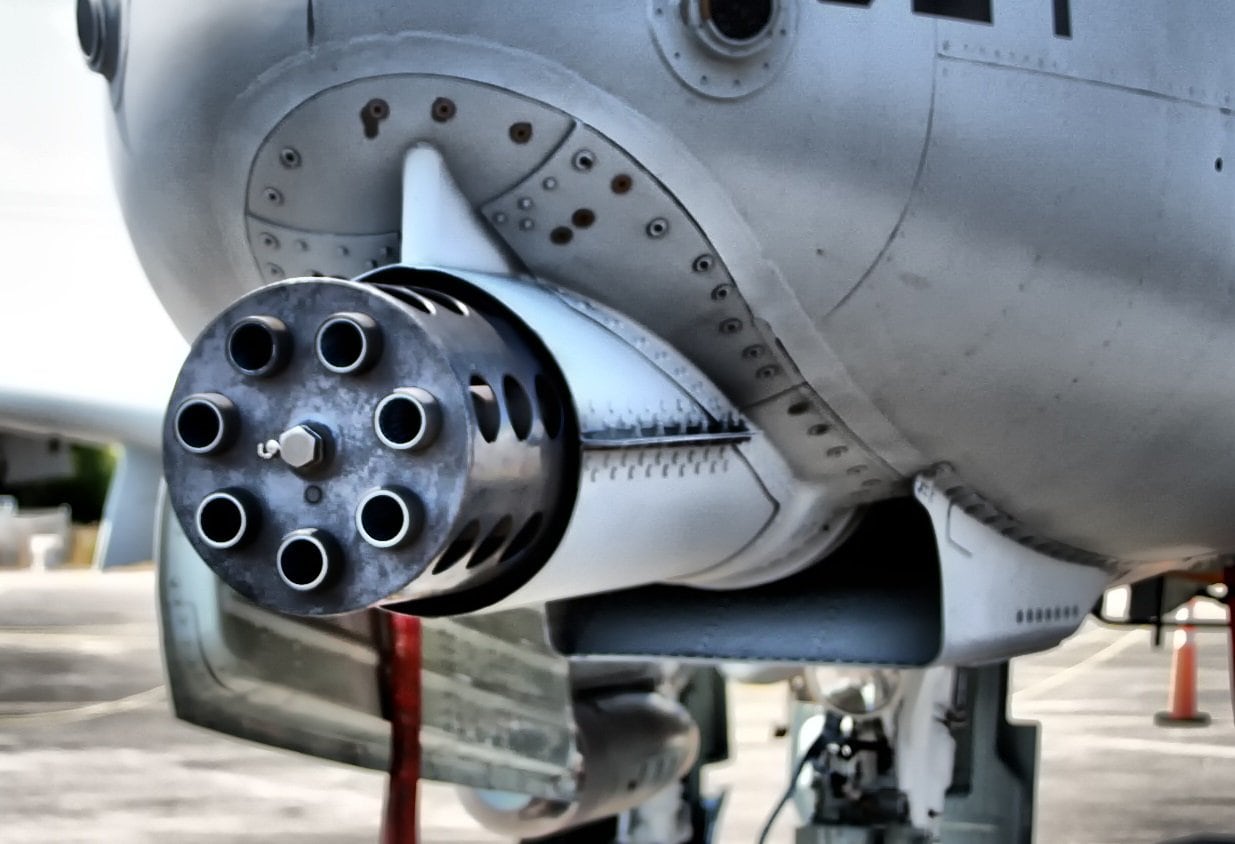
Mention the A-10 Thunderbolt II—affectionately known as the "Warthog"—and most people immediately picture its defining feature: the GAU-8/A Avenger. This massive, seven-barrel Gatling gun is built around a specific purpose, providing devastating close air support for ground troops. However, the true terror of this weapon lies in its ammunition. Understanding the a10 warthog round size is key to grasping why this aircraft has earned such a legendary reputation in military history.
Unlike standard fighter jets that rely primarily on missiles and precision-guided bombs, the A-10 was literally built around a gun. The GAU-8 Avenger takes up a massive portion of the aircraft's fuselage. Every single element of the round it fires—from the projectile tip to the aluminum casing—is engineered for maximum armor-piercing and anti-materiel effectiveness.
Exact A10 Warthog Round Size and Dimensions
When people ask about the A10 Warthog round size, they are usually referring to the 30x173mm cartridge. While the caliber itself is 30 millimeters (approximately 1.18 inches) wide, the entire round is remarkably large compared to standard infantry rifle ammunition.
To put the physical dimensions into perspective, a single completed round looks more like a small artillery shell than a traditional bullet. Here are the core specifications:
- Caliber: 30mm (1.18 inches)
- Cartridge Case Length: 173mm (6.8 inches)
- Total Length of a Complete Round: Roughly 290mm to 295mm (about 11.4 to 11.6 inches)
- Total Weight of a Single Round: Approximately 1.53 pounds (694 grams) to 1.7 pounds (771 grams), depending on the specific projectile type.
- Projectile Weight Alone: Ranges from 360 to 425 grams (about 0.8 to 0.94 pounds).
Because of these bulky dimensions, the A-10's ammunition drum can hold a maximum of 1,174 rounds. During standard combat missions, however, pilots typically carry around 1,150 rounds to ensure optimal feeding and reduce mechanical strain on the ammunition loading system.
Types of Ammunition Fired by the GAU-8 Avenger
The Warthog does not fire just one kind of bullet. Depending on the mission profile—whether it is destroying Main Battle Tanks (MBTs), lightly armored vehicles, or enemy infantry—ground crews load different types of 30mm projectiles into the ammunition drum.
Armor-Piercing Incendiary (API)
The PGU-14/B Armor-Piercing Incendiary round is the signature ammunition that gives the Warthog its legendary anti-armor capability. The projectile features a lightweight aluminum body with a heavy, dense penetrator core made of depleted uranium (DU). Despite the controversy surrounding depleted uranium, its unmatched density allows the projectile to maintain high velocity and punch straight through the thickest armor of enemy tanks.
High Explosive Incendiary (HEI)
The PGU-13/B High Explosive Incendiary round is designed for softer targets, such as trucks, radar installations, and infantry positions. Upon impact, the fuse detonates a high-explosive charge, creating devastating fragmentation and intense heat that can instantly disable unarmored vehicles and personnel.
Target Practice (TP) Rounds
Because firing live depleted uranium rounds during routine training is neither cost-effective nor environmentally practical, the Air Force utilizes the PGU-15/B Target Practice round. These rounds mimic the exact ballistics, weight, and dimensions of the combat rounds, allowing pilots to train accurately without the high explosive or armor-piercing payloads.
How the Ammunition and Gun Work Together
The sheer size of the 30mm round dictates the mechanical complexity of the GAU-8 Avenger. Because the cartridges are nearly a foot long and weigh over a pound and a half each, a conventional belt-feed system would be too heavy and prone to jamming.
Instead, the A-10 uses a unique linkless feed system. The rounds are stored horizontally in a massive cylindrical drum. As the gun fires at a staggering rate of up to 4,200 rounds per minute, an intricate system of chutes and return mechanisms feeds the cartridges into the breech and cycles the empty aluminum cases back into the drum. This prevents spent brass from striking and damaging the aircraft's airframe.
The Physics of the Recoil
The GAU-8 generates an immense amount of recoil force—roughly 10,000 pounds of thrust. In fact, the recoil is slightly more powerful than the combined thrust of one of the A-10's two TF34 turbofan engines at maximum cruise power. If a pilot fires the gun continuously for too long, the recoil would actually slow the aircraft down. For this reason, pilots typically fire short, controlled bursts lasting two to three seconds.
Conclusion
The A10 Warthog round size is a testament to the brute-force engineering of Cold War-era military design. Measuring over 11 inches long and firing a high-density depleted uranium or high-explosive projectile, the 30x173mm cartridge transforms the GAU-8 Avenger into one of the most devastating tactical weapon systems ever built. While modern warfare increasingly relies on precision-guided missiles and unmanned drones, the iconic roar of the Warthog's cannon and the sheer power of its 30mm rounds remain unmatched in the history of close air support.