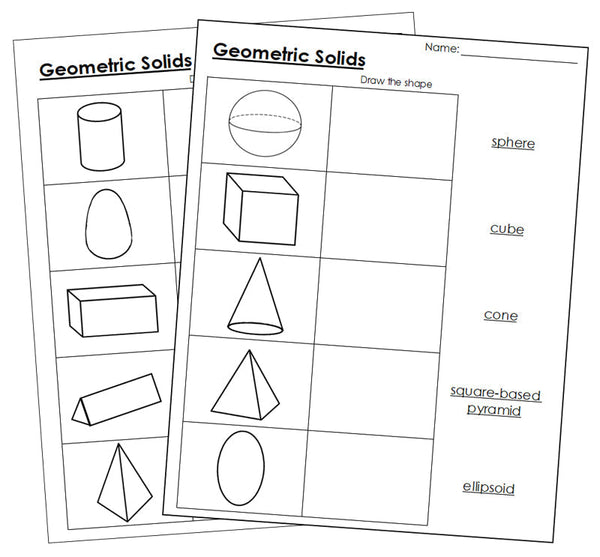
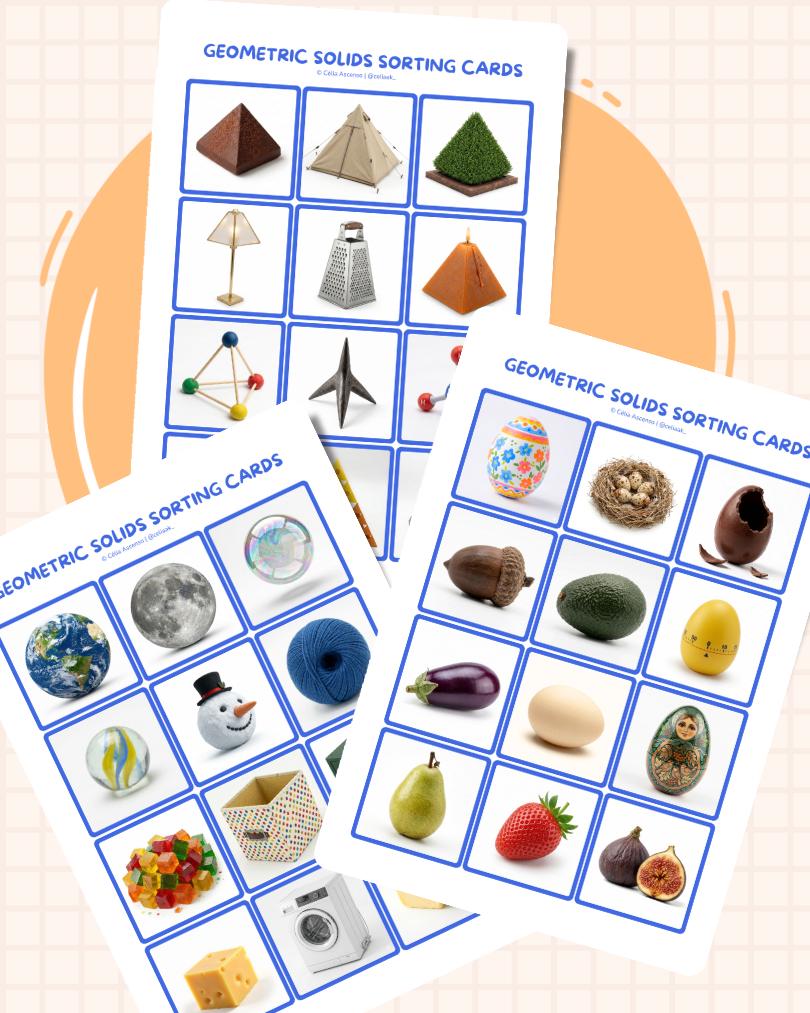
A4 Printable Geometric Solids: Free Templates
When teaching geometry or working on hands-on craft projects, visualizing three-dimensional shapes is essential. Whether you are a teacher prepping a math lesson, a homeschool parent looking for tactile learning tools, or an artist exploring papercraft, having access to accurate templates makes all the difference. That is why finding reliable A4 printable geometric solids templates can save you hours of drawing and measuring.

Instead of struggling to draw precise nets by hand, you can download, print on standard A4 paper or cardstock, and start building in minutes. This guide covers the essential 3D shapes you need, how to assemble them for durability, and creative ways to use them in education and design.
Understanding Geometric Nets
A geometric net is a 2D pattern that can be folded to form a 3D figure. When you look at an A4 printable geometric solids sheet, you are seeing the unfolded faces of a polyhedron laid flat. Understanding how these flat patterns translate into solid shapes builds critical spatial reasoning skills in learners of all ages.
Most printable templates include specific features designed to make assembly intuitive:
- Faces: The flat 2D polygons that make up the outer surface of the solid.
- Edges: The line segments where two faces meet, which serve as the primary fold lines.
- Vertices: The corners where edges intersect.
- Glue Tabs: Small, designated flaps coated with adhesive to hold the structure together securely.
Essential A4 Printable Geometric Solids Found Online
Depending on your curriculum or project needs, different shapes offer unique learning opportunities. Here are the core 3D shapes you should look for in standard A4 printable formats:
1. Platonic Solids and Basic Polyhedra
Platonic solids are regular, convex polyhedra with congruent faces of the same regular polygon. They are the cornerstone of 3D geometry:
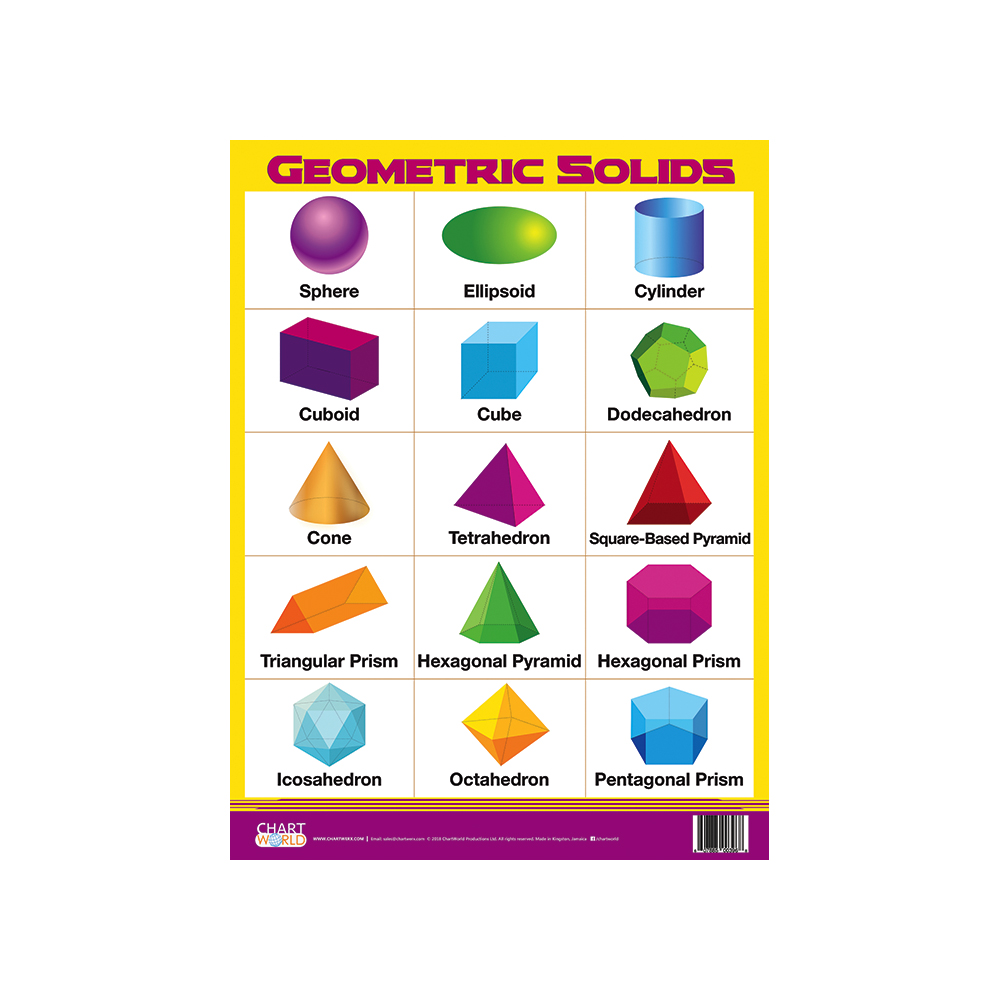
- Cube (Hexahedron): The most straightforward shape, featuring 6 identical square faces. It requires minimal cutting and is great for beginners.
- Tetrahedron: A triangular pyramid made of 4 equilateral triangles. It demonstrates structural stability.
- Octahedron: Composed of 8 equilateral triangles, resembling two square pyramids glued base-to-base.
- Dodecahedron and Icosahedron: More complex shapes featuring 12 pentagonal faces and 20 triangular faces, respectively. These challenge fine motor skills and patience.
2. Prisms and Cylinders
Video: 3d Shapes for Toddler | Geometric Solids | Geometric Shapes | Geometric Shapes for first grade

Prisms have two identical bases connected by rectangular sides:
- Triangular Prism: Features two parallel triangular bases connected by three rectangles.
- Rectangular Prism: Also known as a cuboid, this resembles a standard box with three pairs of identical rectangular faces.
- Cylinder: While technically a curved surface rather than a pure polyhedron, printable cylinder nets feature two circular bases and one rectangular body wrapper.
3. Pyramids and Cones
These shapes taper from a flat base up to a single top point (the apex):
- Square Pyramid: A square base with four triangular faces meeting at the top.
- Cone: Features a circular base and a sector of a circle that rolls into a smooth tapering point.
Tips for Assembling Paper Geometric Solids
Printing your shapes is only the first step. To ensure your paper models look neat and last a long time, follow these practical assembly tips:
- Use Cardstock: Standard copy paper is usually too flimsy for 3D shapes. Print your templates on heavy cardstock (at least 160gsm to 200gsm) so the shapes hold their structure without sagging.
- Score the Edges: Before folding, use a dull butter knife, an empty ballpoint pen, or the back of a craft knife along the fold lines using a ruler. This creates a crisp, professional crease.
- Pre-Fold Everything: Fold all edges back and forth before applying any glue. This relaxes the paper and makes the final alignment much easier.
- Choose the Right Adhesive: Liquid school glue works well but can warp thin cardstock if used too heavily. Glue sticks are clean but may peel over time. For the best results, use double-sided tape or quick-drying craft glue applied with a toothpick.
- Work Methodically: Glue one tab at a time, holding the pieces in place for a few seconds until the adhesive sets before moving on to the next edge.
Educational and Creative Uses
Once you have your collection of A4 printable geometric solids assembled, they serve a multitude of practical purposes:
In the classroom, they offer a tangible way to teach volume and surface area formulas. Students can physically measure the dimensions of the printed models to calculate math problems. In art and design, they serve as excellent shading models for drawing and painting practice, helping artists understand light sources and cast shadows.
Furthermore, these paper models can be decorated with patterns to teach symmetry, used as festive modern holiday ornaments, or strung together to create mobile art installations. By utilizing readily available A4 templates, exploring the world of three-dimensional geometry becomes an accessible, hands-on, and engaging experience for everyone.