Access Free Public Records in Arizona: Ultimate Guide
Navigating government documents and state archives can feel overwhelming, but finding free public records arizona public access tools is entirely possible if you know where to look. Arizona's Public Records Law (often compared to the federal Freedom of Information Act) grants citizens broad rights to inspect and copy public records maintained by state and local government agencies.
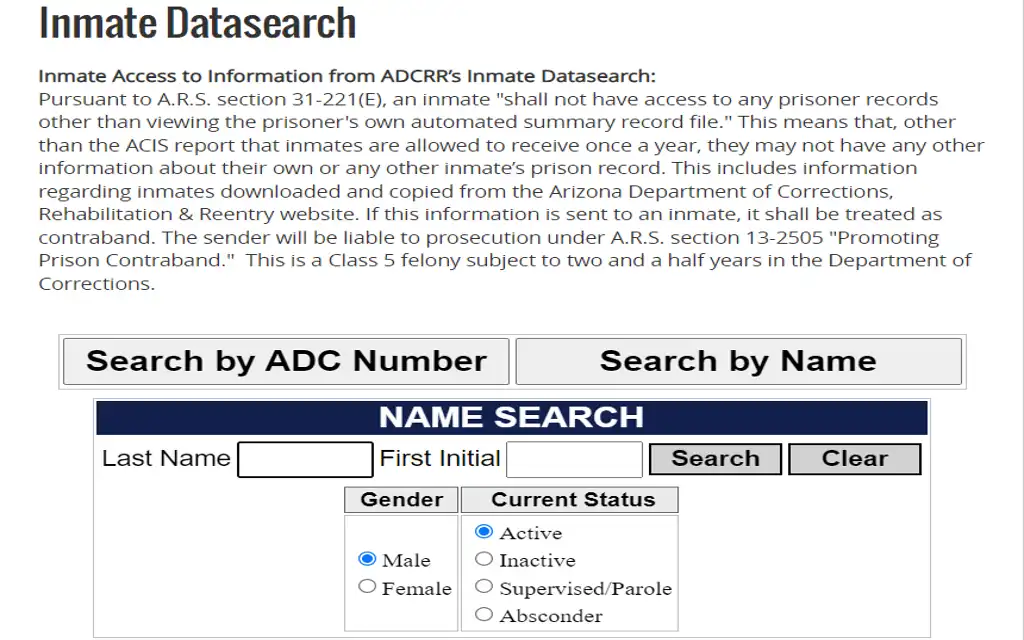
Whether you are researching a piece of property, checking court histories, or tracing your family tree, the Grand Canyon State provides multiple avenues to obtain information without paying hefty third-party database fees. This guide breaks down how to access these records efficiently and legally.
Understanding Arizona's Public Records Law
Under Arizona Revised Statutes (A.R.S.) § 39-121 et seq., virtually every person has a right to obtain public records and other matters maintained by public bodies in the state. This includes state agencies, county offices, city governments, and school districts.
However, "public" does not automatically mean every single document is open to everyone. Certain exceptions exist to protect personal privacy, ongoing law enforcement investigations, and trade secrets. Common restricted records include:
- Active criminal investigation files
- Medical and health records protected by privacy laws
- Social Security numbers and specific personal identifying information of living individuals
- Adoption and juvenile court records
Where to Find Arizona Court Records Online
One of the most common requests for public records involves the judicial system. Arizona makes it relatively easy to search court cases through state and county web portals.
Arizona Supreme Court and Lower Courts
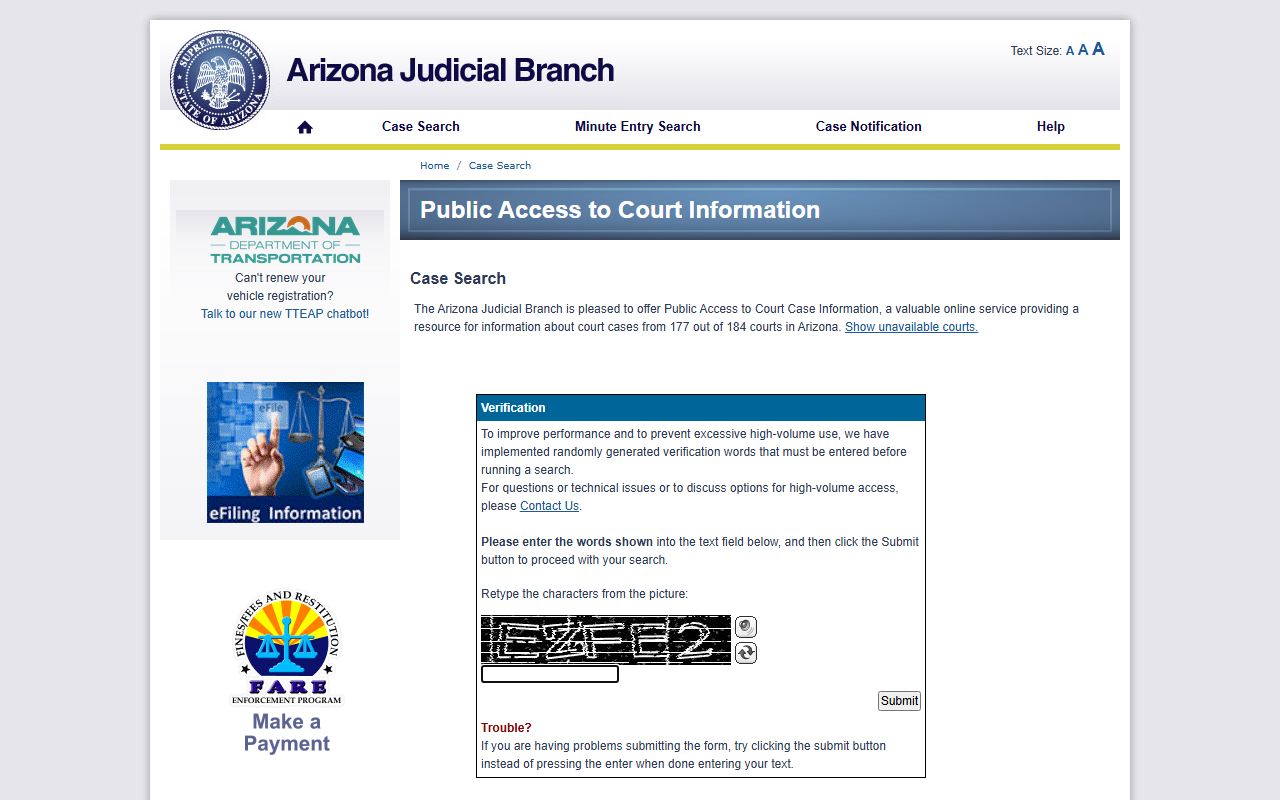
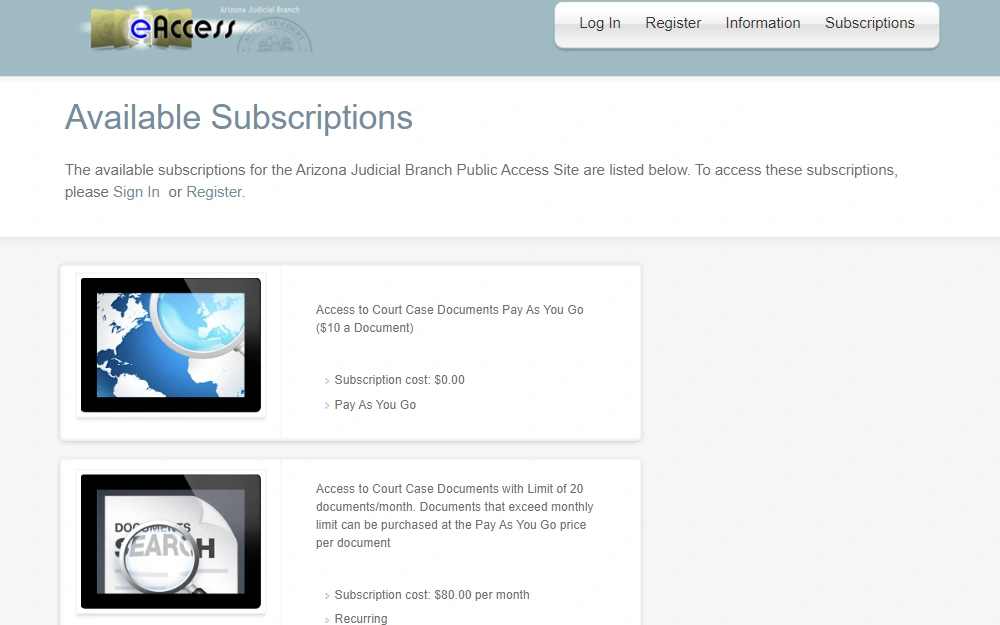
The Arizona Judicial Branch offers a centralized public access portal. You can search appellate, superior, and limited jurisdiction court cases depending on the county.
- AZTurboCourt: Primarily used for e-filing, but helpful for understanding case structures.
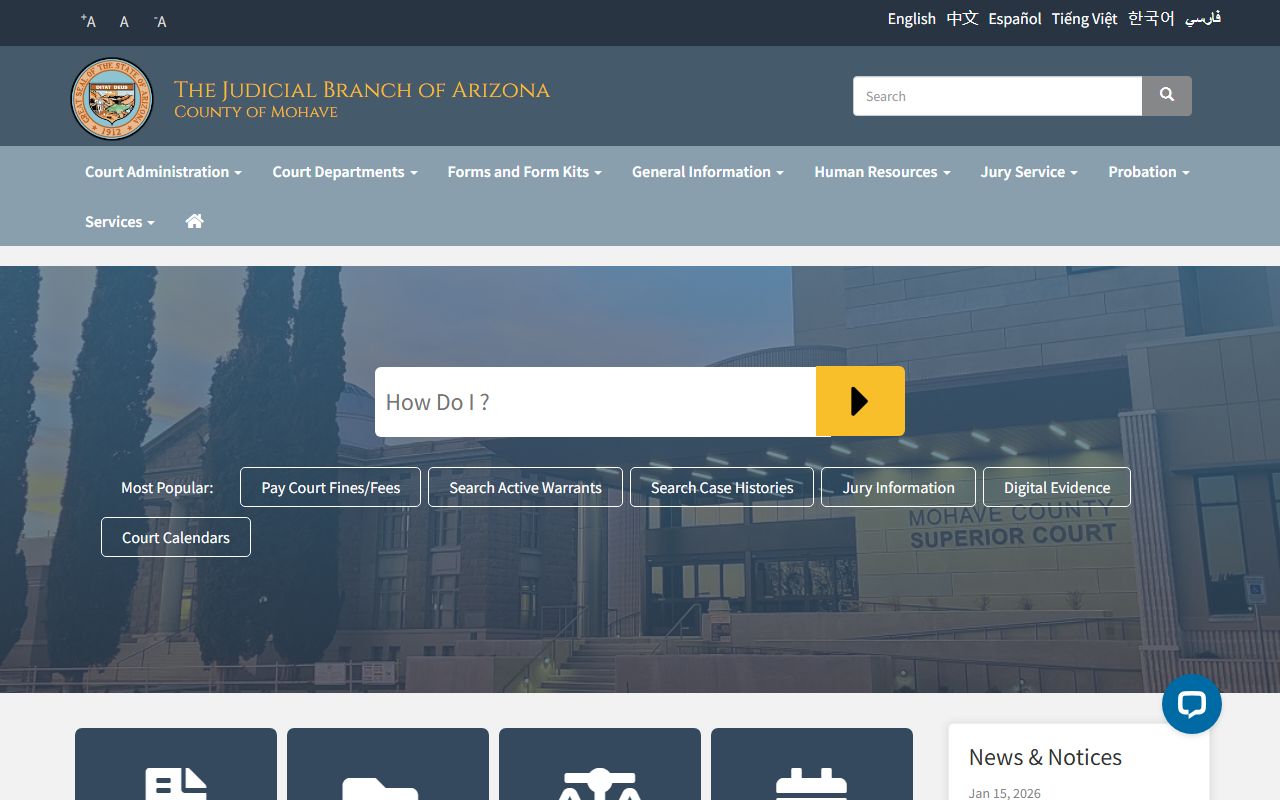
- Public Access Case Lookups: Most county superior courts (such as Maricopa, Pima, and Pinal) maintain their own free online docket search tools where you can look up civil, criminal, and family law proceedings by name or case number.
Accessing Vital Statistics: Birth, Death, and Marriage Records
Video: Free Background Check Arizona (Official Records Online How To Guide)
Vital records in Arizona are managed by the Arizona Department of Health Services (ADHS) Bureau of Vital Records, as well as local county health departments. It is important to note that unlike court dockets, vital records have strict statutory restrictions regarding who can view them to protect against identity theft.
Historical vs. Recent Records
Arizona law establishes specific timeframes for when vital records become truly open to the general public for genealogical or historical research:
- Birth Records: Generally considered confidential until 75 years after the date of birth.
- Death Records: Open to the public 50 years after the date of death.
- Marriage and Divorce Records: Maintained primarily by the Clerk of the Superior Court in the county where the license was issued.
If you need certified copies of recent vital records for legal or administrative purposes, you will typically need to pay a state or county processing fee and prove your direct relationship to the individual named on the document.
Property and Real Estate Records
Property deeds, liens, mortgages, and tax assessments are among the most accessible public documents in Arizona. Because real estate transparency protects commerce, county recorders make these files freely searchable.
- Identify the specific county where the property is located (e.g., Maricopa County Recorder).
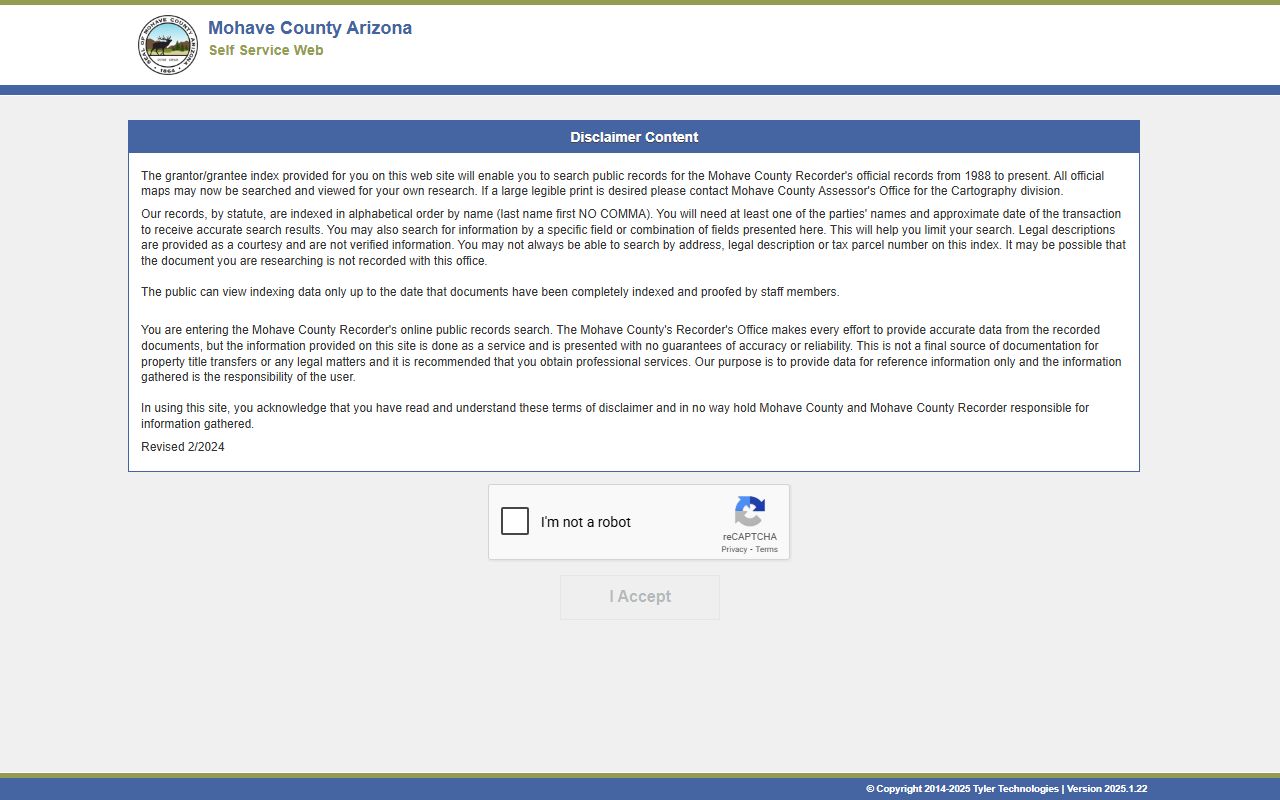
- Visit the county's official recorder website. Most offer online document search tools that go back decades.
- Search by owner name, parcel number, or document type (such as a quitclaim deed or deed of trust).
- View and download images of the recorded documents at no cost, though certified paper copies requested in person may incur a small statutory fee.
How to Submit a Formal Public Records Request
If the document you need is not available in an online database, you must submit a formal public records request to the specific agency holding the document. To ensure your request is handled quickly and successfully, follow these best practices:
- Be Specific: Vague requests like "give me everything on police reports from 2022" will likely be delayed or rejected for being overly broad. Name specific dates, individuals, incident numbers, or document titles.
- Use Writing: While verbal requests are sometimes accepted for simple inquiries, always submit your records request in writing (via email or certified mail) to create a clear paper trail.
- Identify the Custodian: Direct your request to the designated public records officer or custodian of records for that specific department, city hall, or agency.
- Understand Costs: While inspecting documents in person is usually free, agencies are legally permitted to charge reasonable fees for photocopying, scanning, or specialized electronic media production.
Conclusion
Leveraging free public records and Arizona public access channels empowers citizens, researchers, and journalists to stay informed about government operations and legal histories. By utilizing official county recorders, court portals, and state archives, you can bypass paid third-party data brokers and secure accurate, up-to-date information directly from the source.