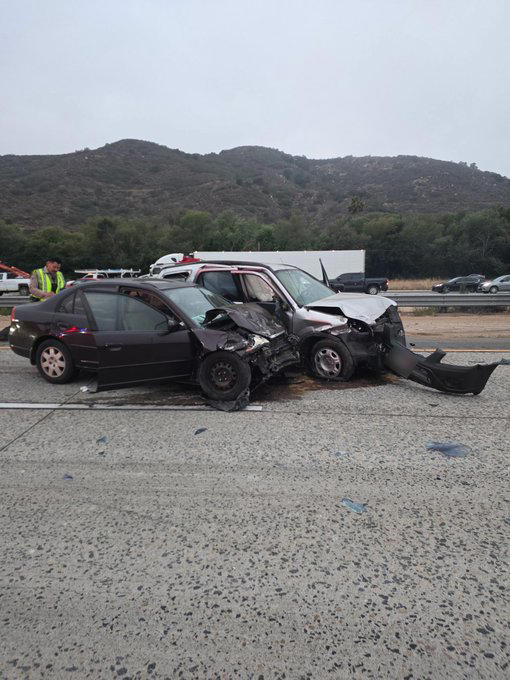
Accident I-15 North Today: Live Traffic Updates
Current Traffic Conditions and Accident I-15 North Today

Navigating the Interstate 15 corridor requires constant vigilance, especially for commuters and travelers heading northbound. If you are searching for updates regarding an accident i 15 north today, you are likely sitting in traffic or trying to plan a detour before heading out. Because I-15 is a vital economic and commuter artery stretching through states like California, Nevada, Utah, and Idaho, even a minor fender-bender during peak hours can trigger massive tailbacks.
This guide provides you with the essential framework to check live conditions, understand what to do if you encounter a blockage, and find the most reliable alternate routes to keep your journey on track.
How to Check Real-Time Updates for I-15 North
When an unexpected incident occurs on the interstate, relying on static map apps might not always give you the second-by-second context you need. To get the most accurate, up-to-the-minute information on any accident I-15 North today, consult official channels and dynamic tools:
- State Department of Transportation (DOT) Feeds: Depending on your exact location along the corridor, check Caltrans (California), NDOT (Nevada), or UDOT (Utah) traffic websites and Twitter/X feeds. These agencies post real-time camera screenshots and official clearance estimates.
- Interactive Mapping Services: Google Maps, Waze, and Apple Maps aggregate user-reported hazards, stalled vehicles, and active collision zones faster than traditional media broadcasts. Waze is particularly useful for spotting debris and shoulder accidents.
- Highway Radio (HIR): Many stretches of the I-15 feature advisory radio frequencies that broadcast emergency road closures and accident reports directly to car stereos.
Common Hotspots for Delays on Interstate 15
While accidents can happen anywhere, certain stretches of the northbound freeway are notoriously prone to heavy congestion and collisions due to geography, steep grades, and high merge volumes.
High-Risk Zones to Watch
Drivers should exercise extra caution when passing through these key regions:
- The Cajon Pass (California): Connecting the Inland Empire to the high desert, this steep mountain grade frequently experiences stalled semi-trucks, overheating vehicles, and sudden weather-related slowdowns.
- The Las Vegas Strip Corridor (Nevada): Heavy tourist traffic, sudden lane changes, and merging vehicles around Sahara Avenue and Russell Road often lead to rear-end collisions.
- The Salt Lake Valley (Utah): Commuter surges during morning and evening rush hours make the urban stretches of I-15 through Salt Lake City prime locations for stop-and-go accidents.
Smart Detours and Alternate Routes

If you are trapped behind a major blockage and traffic is completely at a standstill, staying on the main highway will only drain your fuel and your patience. Knowing your escape routes ahead of time is a lifesaver.
Alternative Paths by Region
Depending on where you encounter delays, look for these parallel corridors:
- Southern California / Cajon Pass: If I-15 North is completely blocked near Victorville or Devore, drivers often divert via Highway 395 or state route historical paths, though mountain passes require careful vehicle preparation.
- Nevada Desert Stretch: Alternate local roads are sparse between Barstow and Las Vegas, but keeping an eye on US-95 or local desert connectors can help if a major closure forces a wide detour.
- Utah Corridor: Parallel routes like Redwood Road (State Route 68) or local surface streets running alongside the interstate provide reliable relief when urban segments of I-15 lock up.
Safety Tips If You Are Stuck in Traffic
Encountering a sudden standstill due to an accident requires defensive driving habits to prevent secondary collisions.
- Turn on Hazard Lights: If you come to an abrupt halt on the freeway, tap your hazard lights immediately to warn drivers approaching from behind.
- Maintain a Safe Following Distance: Leave enough space between your vehicle and the car ahead so you can maneuver if necessary.
- Stay in Your Vehicle: Unless your car is disabled in an active travel lane and you can safely move to the shoulder or beyond the concrete barrier, stay buckled inside your vehicle. Wandering around a high-speed interstate is extremely dangerous.
What to Do If You Are Involved in a Collision
If you were unfortunately part of the incident causing today's delays, follow these steps to protect yourself and others:
First, check for injuries and call 911 immediately if medical assistance is required. If the vehicles are drivable and no severe injuries exist, steer or push the cars to the right shoulder to clear the travel lanes and prevent further accidents. Exchange insurance and contact information, take photos of the scene for your records, and await highway patrol instructions.
By staying informed through official DOT channels and maintaining patience, you can navigate unexpected highway delays safely and efficiently.