AccuWeather Guide: Features, Accuracy & Tips
When planning your day, deciding what to wear, or tracking a severe storm, having a reliable forecast is essential. Among the leading weather platforms available today, AccuWeather stands out as a household name used by millions worldwide. Known for its proprietary forecasting technology and user-friendly interface, it provides comprehensive meteorological data for nearly every corner of the globe.

In this guide, we will explore what makes this platform unique, examine its core features, evaluate its forecasting accuracy, and share tips on how to get the most out of your weather tracking experience.
Understanding AccuWeather and Its Core Features
Founded in 1962 by Dr. Joel N. Myers, AccuWeather has grown from a fledgling forecasting business into a digital powerhouse. Today, the service delivers data through its website, mobile applications, connected TVs, and radio broadcasts. What sets it apart is a continuous commitment to innovation, resulting in several proprietary tools that go beyond standard temperature and precipitation readings.
RealVue Satellite and Interactive Radars
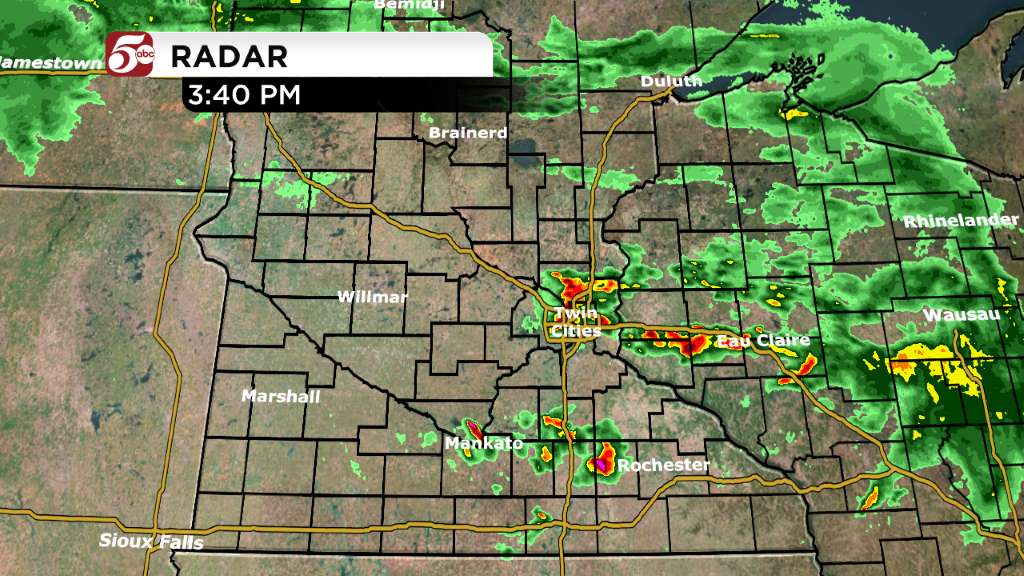
Visualizing weather patterns in real-time is crucial for anticipating changes. The platform offers high-resolution interactive radar maps that track rain, snow, ice, and mixed precipitation down to the neighborhood level. Users can toggle between radar, satellite imagery, and wind flow maps to see how weather systems are moving across regions.
MinuteCast Precipitation Tracking
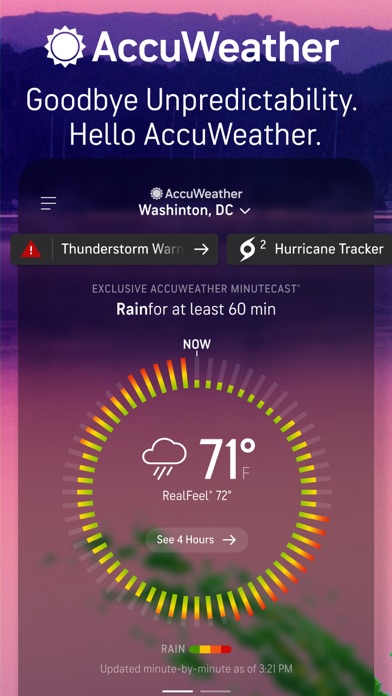
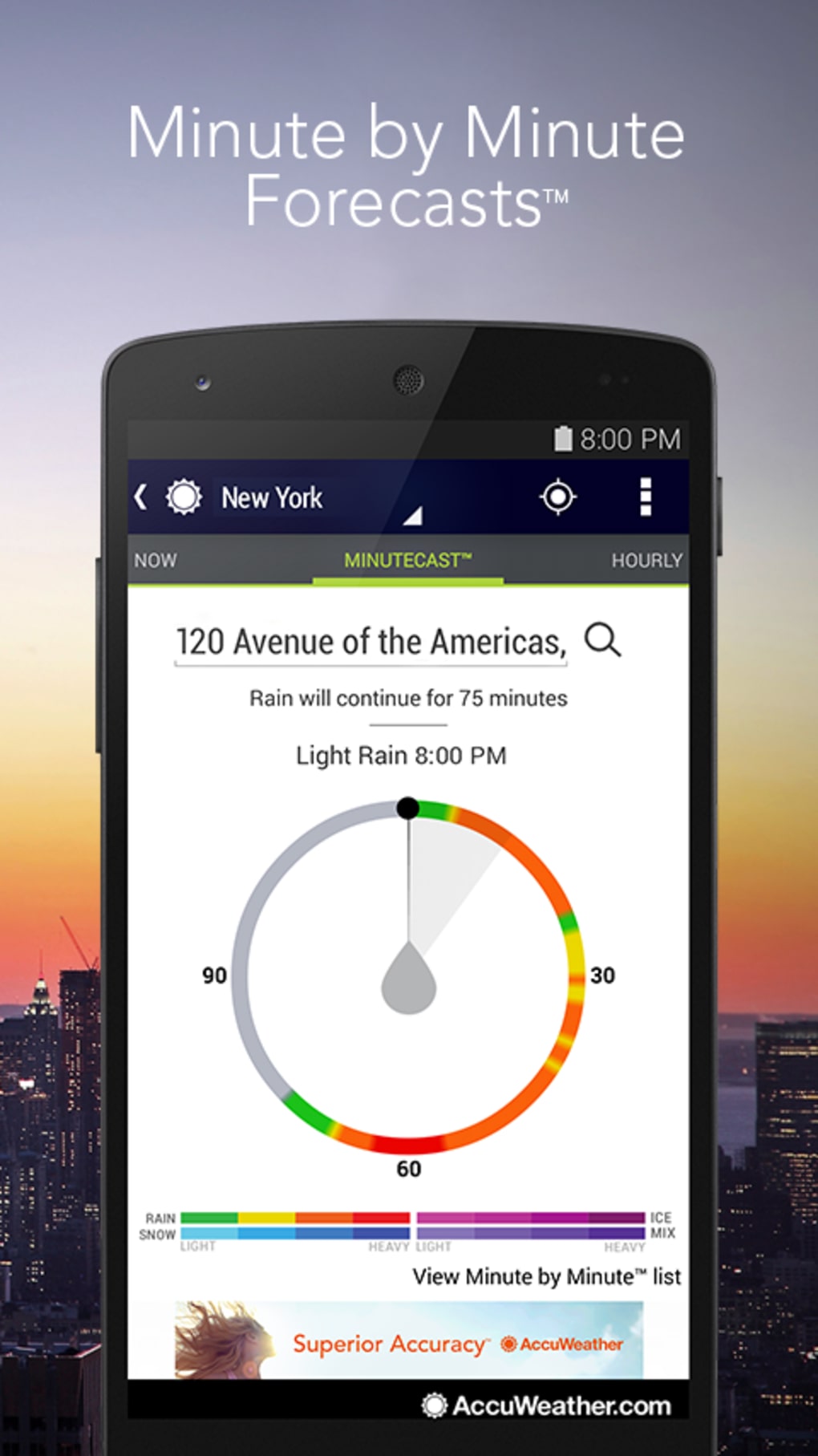
One of the most popular tools on the platform is MinuteCast. Unlike standard hourly forecasts, MinuteCast provides hyper-localized, minute-by-minute updates on when rain or snow will start and stop at your exact GPS coordinates. If you are wondering whether you can squeeze in a quick jog before a downpour, this feature gives you the precise timing you need.
RealFeel Temperature
Standard thermometers only measure ambient air temperature, but humans experience weather differently based on multiple environmental factors. AccuWeather developed the RealFeel Temperature index to account for sunshine, wind, humidity, precipitation, elevation, and cloud cover. This gives you a much more accurate picture of how it actually feels outside before you step out the door.
Video: LIVE: Hurricane Isaias With Storm Chasers - Gulf Coast Oct. 9

How Accurate Is AccuWeather?
Weather forecasting is an inherently complex science, and no single provider is right 100% of the time. However, independent studies and industry evaluations frequently rank AccuWeather among the most accurate weather forecasting sources globally.
The company relies on a unique forecasting process known as Superior Accuracy™, which combines data from global meteorological computer models, specialized proprietary algorithms, and human analysis from veteran meteorologists. While short-term forecasts (1 to 3 days out) boast exceptionally high accuracy rates, long-term outlooks (extending out to 45 days or more) naturally carry a higher degree of uncertainty due to the chaotic nature of the atmosphere.
Key Benefits for Daily Planning and Safety
Beyond casual checks for the weekend forecast, the platform serves vital functions for travel, outdoor recreation, and emergency preparedness.
- Severe Weather Alerts: Get push notifications for tornados, flash floods, severe thunderstorms, and winter storms issued by official government agencies.
- Health and Activity Forecasts: Plan around specific health triggers with specialized indices for pollen, air quality, UV levels, asthma, and joint pain.
- Travel Planning: Check historical averages, road conditions, and airport delay forecasts before embarking on a trip.
Tips for Getting the Most Out of the App
To ensure you are fully prepared for whatever Mother Nature throws your way, keep these best practices in mind when using the app or website:
- Enable Precise Location Services: Because features like MinuteCast rely on exact positioning, allow the app to access your GPS rather than relying solely on a saved zip code.
- Customize Your Dashboard: Rearrange the layout to show the metrics that matter most to you first—such as air quality, wind speed, or allergy counts.
- Set Up Custom Alerts: Configure notifications for specific weather thresholds, such as freezing temperatures or high wind warnings, to protect your property and plants.
Conclusion
Whether you are a farmer monitoring crop conditions, a commuter trying to avoid a traffic-snarling thunderstorm, or simply someone planning a weekend barbecue, AccuWeather provides the deep data and innovative tools needed to stay informed. By leveraging features like MinuteCast and RealFeel Temperature, you can navigate changing weather conditions with confidence and safety.