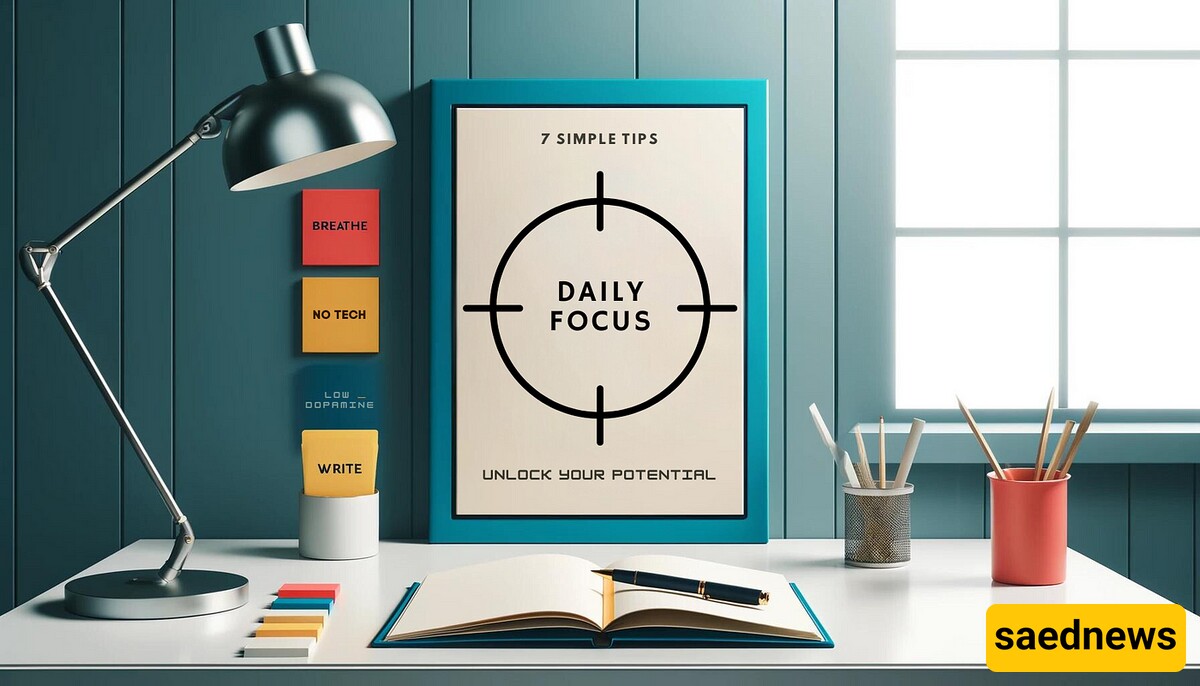
Achieve Daily Focus with Hundreds of Small Wins
We live in an era of constant distraction. Notifications ping, tabs multiply in our browsers, and our attention is fractured into tiny, meaningless shards. By the end of the day, you might feel exhausted yet wonder what you actually accomplished. The traditional advice of setting three big daily goals often falls short when your concentration is continuously under siege. To truly reclaim your attention, you need a different paradigm: a method that allows you to achieve daily focus with hundreds of micro-adjustments rather than relying on brute-force willpower.
The Psychology of Micro-Focus
When you look at a massive project on your to-do list, your brain triggers a mild stress response. This overwhelm leads to procrastination, mind-wandering, and the temptation to check social media. Human psychology is simply not wired to maintain unbroken, laser-like concentration on a complex task for eight hours straight.
Instead of fighting your biology, you can work with it. By breaking your day down into hundreds of tiny, deliberate focus intervals, you remove the psychological friction of getting started. You stop worrying about finishing the whole project and start focusing exclusively on the next ten seconds.
How to Achieve Daily Focus with Hundreds of Micro-Actions
Implementing this approach does not require expensive apps or complicated systems. It requires a shift in how you view time and tasks. Here is a practical framework to integrate hundreds of small focus blocks into your routine.
1. Micro-Divide Your Tasks
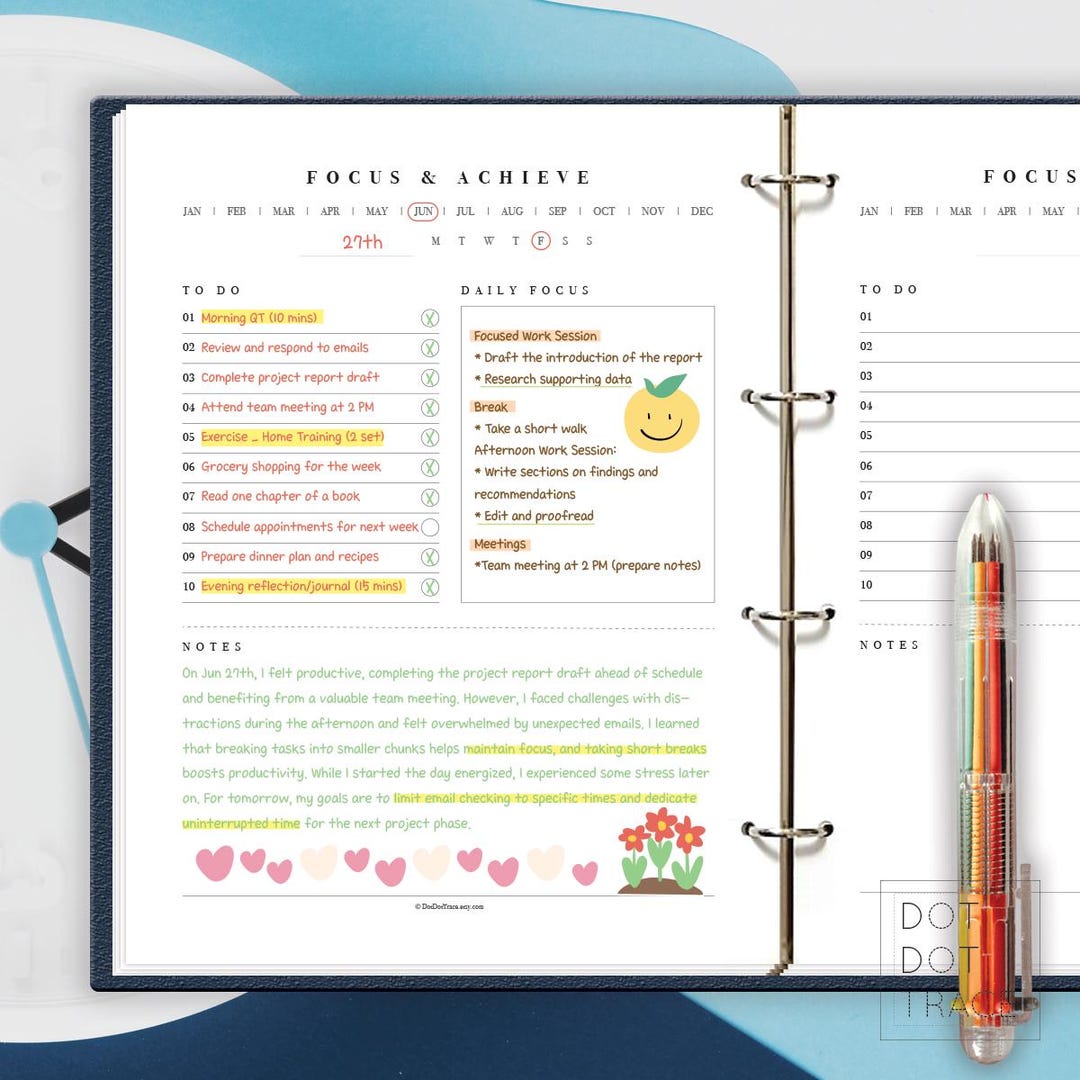
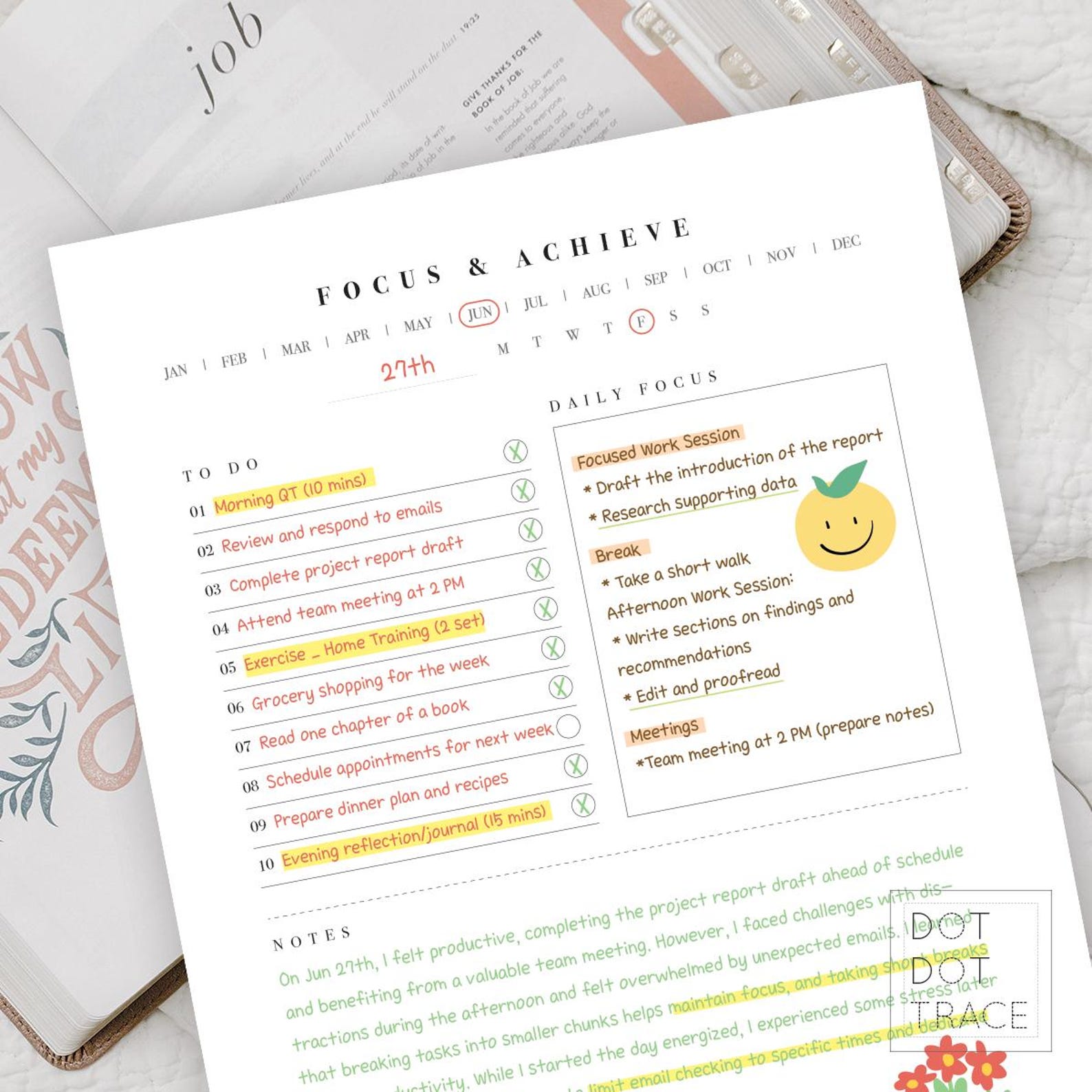
Take your primary task for the day and break it down until it feels almost ridiculously small. If your task is "write a report," your micro-actions might look like this:
- Open the document template.
- Type the title.
- List three bullet points for the introduction.
- Write one sentence for the first bullet.
Each of these tiny steps requires a brief burst of intense focus, followed by an immediate sense of completion. These small wins accumulate rapidly throughout the day.
2. Leverage the Power of the 60-Second Reset

Traditional time management focuses on blocks of 25 or 50 minutes. While effective, they can still feel daunting. A micro-focus approach introduces the concept of the 60-second reset. Every time you catch your mind drifting, reset your attention entirely for just one minute.
During this minute, you take a deep breath, clear your desk of distractions, and recommit to a single micro-action. Doing this dozens of times a day keeps you anchored in the present moment rather than letting your mind wander into anxiety or boredom.
3. Track Your Momentum, Not Just Your Hours
Time tracking often encourages the illusion of productivity—sitting at a desk while staring blankly at a screen still counts as "working" logged hours. Instead, track your units of focus. Some high performers use simple tally marks on a notepad every time they successfully execute a concentrated micro-task.
Seeing a growing row of hundreds of tally marks by 4:00 PM provides concrete visual proof of your engagement. It gamifies your workday and replaces vague feelings of busyness with undeniable data.
Common Pitfalls to Avoid
As you transition to a micro-focus routine, you may encounter a few common obstacles. Keep these guardrails in mind to stay on track:
- Over-planning: Do not spend hours planning every micro-action. Let them emerge organically as you work.
- Self-judgment: If you lose focus, do not chastise yourself. Simply execute a quick reset and move to the next tiny step.
- Multitasking creep: Remember that micro-focus still means doing one thing at a time, just for shorter, more agile bursts.
Building a Sustainable Routine
True productivity is not about heroic bursts of effort; it is about consistency. When you learn how to achieve daily focus with hundreds of tiny, intentional choices, you stop fighting your environment and start flowing through it. Start tomorrow by picking just one project and dividing it into the smallest possible pieces. You will be amazed at how much lighter, faster, and more effective your workday feels.