Active Calls Pinellas County EMS: Are They Hiding Something?
If you have ever opened a local dispatch dashboard or turned on a digital scanner during an emergency, you may have noticed a strange silence. Fire engines and police cruisers appear on public logs, but routine medical calls seem sparse or completely absent. This discrepancy leads many residents to ask: regarding active calls, Pinellas County EMS: are they hiding something, or is there a legitimate legal and operational explanation?
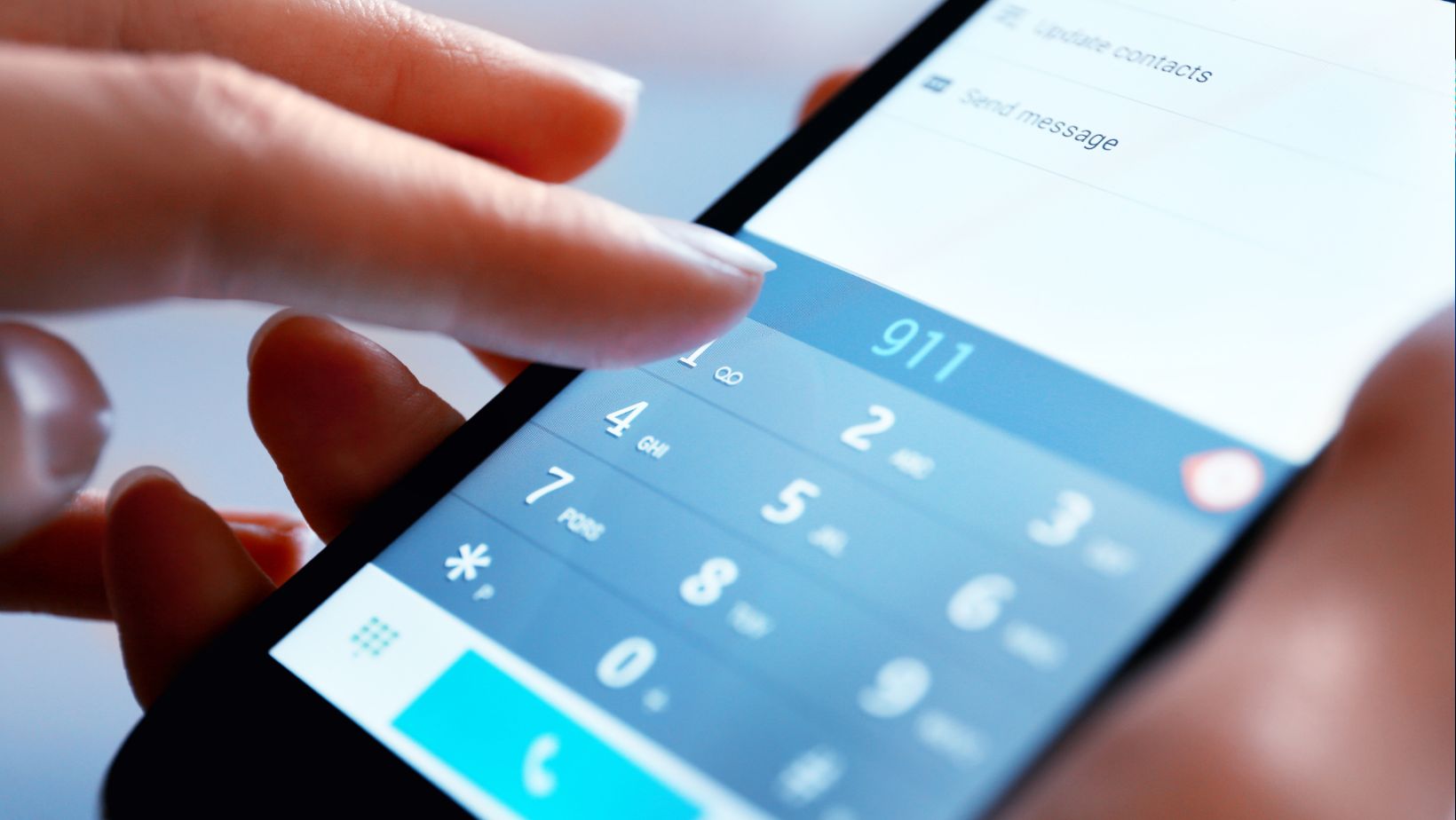
In a hyper-connected era where public safety dashboards update every few seconds, missing data naturally breeds suspicion. However, the gap between what happens on Pinellas County streets and what appears on public monitors is rarely a sinister cover-up. Instead, it stems from strict federal privacy mandates, Florida public record exemptions, and a nationwide shift toward encrypted emergency communications.
What You Can and Cannot See on Pinellas County Dispatch Feeds
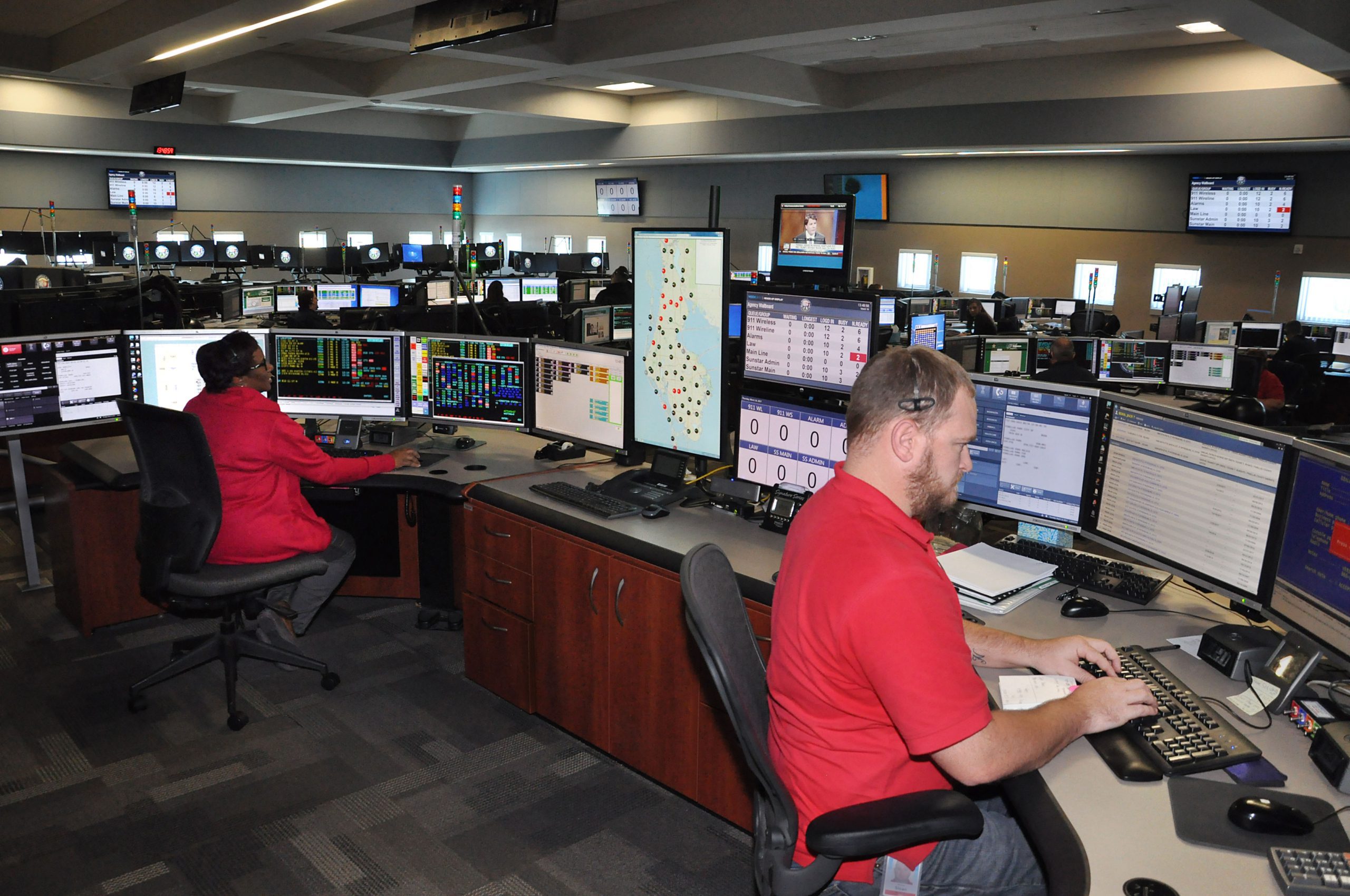
Pinellas County operates an integrated Computer-Aided Dispatch (CAD) system serving municipal fire departments and the countywide ambulance contractor, Sunstar Paramedics. The county provides an online Active 911 Incident page and feeds information into third-party apps like PulsePoint.
If you monitor these feeds regularly, you will notice distinct patterns in what gets published:
- Visible Incidents: Structure fires, brush fires, commercial fire alarms, hazardous materials investigations, water rescues, and major motor vehicle collisions.
- Obscured or Generalized Incidents: Medical evaluations at private residences, cardiac arrests, falls, and routine ambulance transfers.
- Filtered Details: Addresses are often scrubbed to block levels (e.g., "1200 Block of 4th St N") rather than specific street numbers or apartment units.
This selective display leads some to believe that dispatchers are intentionally concealing critical emergency trends. To understand why these filters exist, you have to look at the intersection of healthcare law and open-government statutes.
Privacy Laws vs. Secrecy: Why Medical Calls Disappear
The primary reason medical dispatches do not broadcast detailed call logs is federal law. Under the Health Insurance Portability and Accountability Act (HIPAA), emergency medical responders are considered "covered entities." Dispatching a medical crew with specific diagnostic details tied to a known residential address constitutes Protected Health Information (PHI).
Florida is widely recognized for having some of the strongest public records legislation in the country under its Sunshine Law (Florida Statute Chapter 119). However, state law includes explicit carve-outs for medical emergencies:
- Florida Statute § 401.38: Records of emergency calls, patient examination records, and treatment details created by EMS providers are confidential and exempt from public disclosure.
- The Baker Act: Incidents involving involuntary psychiatric examinations (Florida’s Baker Act) are strictly shielded to protect patient dignity and legal rights.
- Sensitive Incidents: Dispatches involving overdoses, domestic assaults, sexual violence, and suicides are routinely withheld or coded vaguely to protect victims and preserve active crime scenes.
If Pinellas County broadcasted full real-time medical dispatches—listing a patient's address, age, and clinical distress—the county would face severe federal fines and civil liability.
Active Calls Pinellas County EMS: Are They Hiding Something With Encryption?
While privacy laws explain dashboard redactions, a more contentious debate centers on radio frequencies. For decades, hobbyists, journalists, and neighborhood watch advocates used tabletop police scanners to listen to live dispatch channels. Over the past decade, public safety agencies across Tampa Bay upgraded to digital P25 trunked radio networks, and many encrypted their tactical and medical talkgroups.
The Case for Radio Encryption
Public safety officials argue that encrypting tactical and medical channels is essential for two reasons:
- Paramedic Safety: Live scanners can alert bad actors or hostile bystanders to staging locations, responder headcount, and interior positioning during violent incidents.
- Direct Medical Transmission: Paramedics frequently consult with base hospital physicians via radio to relay sensitive patient data, EKG readings, and medication orders. Broadcasting those unencrypted violates patient rights.
The Case for Public Accountability
Video: Witness recalls gruesome discovery of human remains, massive gator in Pinellas County waterway
On the other side of the issue, watchdog organizations and investigative reporters express valid concerns. When dispatch channels are encrypted and real-time CAD logs are scrubbed, the public cannot independently verify:
- System response times during critical ambulance shortages.
- Mutual aid failures between municipal fire departments and private contractors.
- The true scale of localized public health crises, such as spikes in fentanyl overdoses.
So, while the county is not running an illicit cover-up, the loss of real-time monitoring does reduce instant transparency.
How the Pinellas County EMS System Operates
To interpret emergency response data correctly, it helps to understand the county's unified first-responder model. Pinellas does not operate a traditional single-agency ambulance service. Instead, it relies on a public-private partnership:
- First Response (Fire Rescue): Municipal departments (such as St. Petersburg Fire Rescue, Clearwater Fire & Rescue, and Largo Fire Rescue) provide advanced life support (ALS) first response with certified firefighter/paramedics.
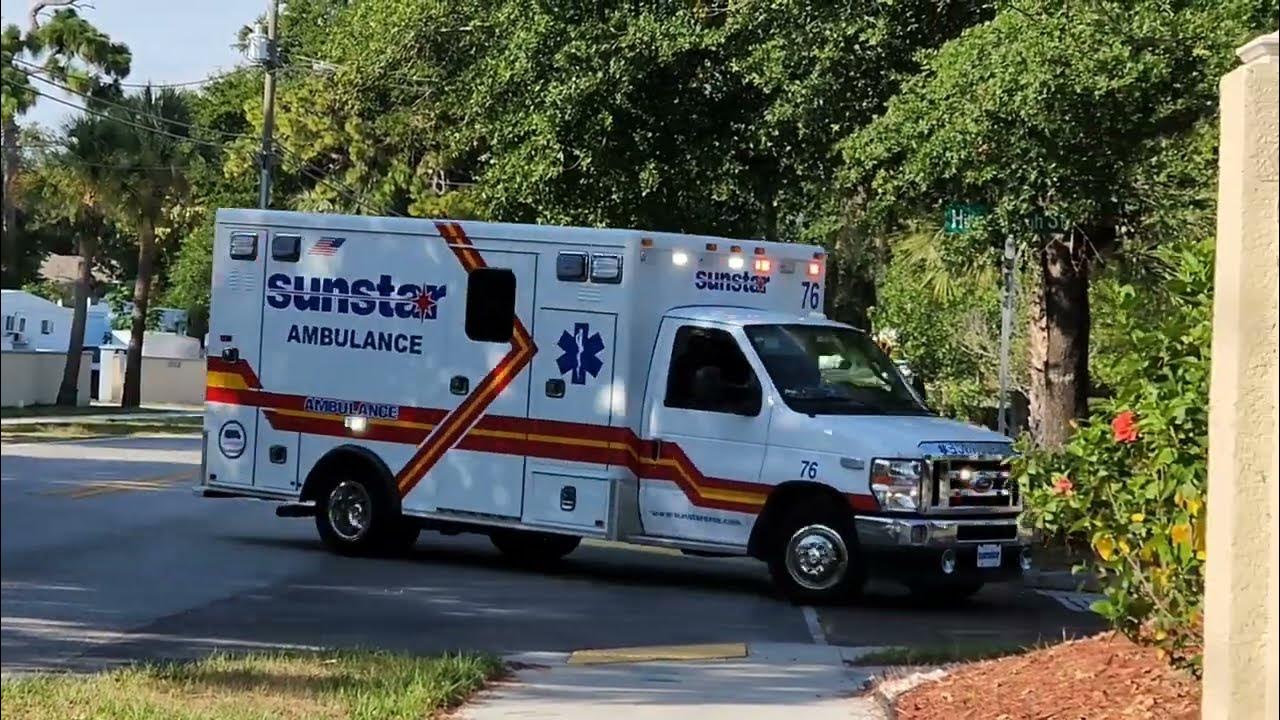
- Ambulance Transport (Sunstar): Ambulance transport is handled by Sunstar Paramedics, operated under contract by Priority Ambulance for the Pinellas County Emergency Medical Services Authority.
- Dispatch (Pinellas County 911): All calls are routed through the regional communications center in Clearwater. Computer algorithms dispatch the closest fire unit for stabilization alongside a Sunstar transport unit.
Because multiple agencies coordinate on a single medical run, internal CAD data is dense and multi-layered. What appears on public logs is merely a trimmed-down external export of an otherwise unified response network.
How to Legally Access Legitimate Public Safety Records
If you need information about an incident that affected your family, property, or neighborhood, the information is not permanently lost. You do not have to rely on filtered active-call monitors.
1. Submit a Chapter 119 Public Records Request
Under Florida law, once an incident is closed and immediate medical/investigative redactions are applied, CAD dispatch logs, 911 audio recordings, and run sheets can be requested through the Pinellas County Public Records Portal. The county must produce these records within a reasonable timeframe, redacting only statutory exemptions (such as caller social security numbers or private health diagnoses).
2. Use the PulsePoint App
Pinellas County partners with PulsePoint to crowd-source CPR response. The app displays real-time commercial fire dispatches, serious traffic accidents, and incidents where CPR-trained citizens might save a life in a public venue. While it excludes private home dispatches, it is one of the most reliable ways to see active, verified countywide incidents.
3. Monitor Official Annual Performance Reports
The Pinellas County EMS Advisory Council and the County Commission regularly publish detailed oversight reports. These documents evaluate average response times, call volumes, cardiac arrest survival metrics, and contractor compliance benchmarks. If systemic operational problems occur, they generally surface within these public audit documents.
The Balance Between Privacy and Sunshine
The perception that Pinellas County EMS is hiding emergency activity is an understandable reaction to filtered dashboards and silent scanner frequencies. However, the reality comes down to regulatory compliance rather than institutional deception.
Public safety agencies must walk a fine line between the Florida Sunshine Law’s mandate for open government and constitutional protections for personal medical privacy. By understanding how CAD feeds filter data and how public records can be requested after the fact, citizens can separate necessary patient safeguards from genuine public safety issues.