Adam Sandler's $265M Empire: How He Built It
When people think of Adam Sandler, they usually picture oversized basketball shorts, loud Hawaiian shirts, and screaming at Bob Barker on a golf course. For decades, he was typecast as the lovable, chaotic man-child of 1990s and 2000s comedy. However, behind the goofy persona lies one of the sharpest, most autonomous business minds in modern Hollywood. Over a specific five-year surge, the comedian radically transformed his career economics, proving that **How Adam Sandler Built His $265 Million Empire Over Five Years!** is a masterclass in modern entertainment entrepreneurship.
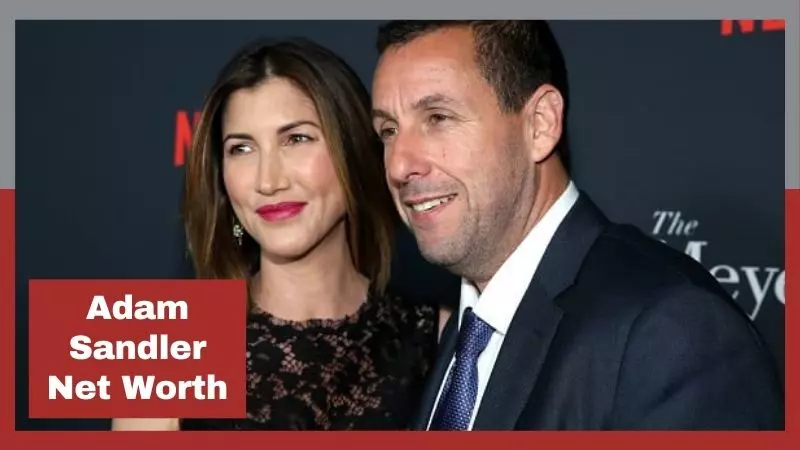
Sandler is no longer just an actor collecting a paycheck. He is a producer, a touring powerhouse, and a platform-defining partner who leveraged streaming technology to secure unprecedented financial control. Here is a breakdown of how he engineered one of the most lucrative eras in show business history.
The Netflix Paradigm Shift
The foundation of Sandler's recent financial explosion began in 2014, when he signed a groundbreaking four-movie deal with Netflix. At the time, traditional Hollywood critics scoffed. Sandler’s box office clout had cooled slightly after a string of underperforming high-budget comedies, and mainstream studios were reluctant to bankroll his unique brand of global comedy.
Netflix saw something different: raw, unadulterated data. Subscribers worldwide were rewatching Sandler’s older catalog on a loop, proving that his core demographic was massive, loyal, and digitally active. That initial 2014 deal was so successful that Netflix renewed it in 2017 for another four films, and yet again in 2020. This partnership completely bypassed the traditional box office, mitigating theatrical risk while guaranteeing massive upfront payouts.
Control Through Happy Madison Productions
Sandler’s deal with Netflix wasn’t just about acting; it was about production autonomy. Through his company, Happy Madison Productions, Sandler retained creative control, hired his friends, and shot his films in desirable locations (often masquerading as paid vacations for himself and his inner circle).

By owning the production pipeline, Happy Madison captured multiple streams of revenue on every project. Netflix paid a flat fee to license the films globally, but Sandler retained ownership of the underlying IP and production infrastructure. This model slashed overhead costs while maximizing profit margins, turning low-budget, high-concept comedies into hyper-profitable assets for his personal balance sheet.
Diversification Beyond the Screen
While streaming blockbusters formed the financial bedrock, Sandler didn’t rely solely on movie production to build his empire. He diversified his income streams aggressively across live performance and brand equity.
- The Return to Stand-Up: Sandler quietly returned to his roots, embarking on massive national stand-up tours. Because he travels light and sells out arenas globally, these tours generate millions in pure profit with minimal production overhead.
- Critical Acclaim and Prestige: By balancing low-brow comedies with critically acclaimed indie dramas like Uncut Gems and Hustle, Sandler kept his brand relevant across generations and elevated his talent-fee ceiling.
- Merchandising and Licensing: From iconic movie quotes on t-shirts to his signature casual footwear and apparel lines, the cultural ubiquity of his cinematic characters translates into steady, passive licensing revenue.
The Business Blueprint for Modern Creators
Ultimately, Sandler’s financial leap proves that longevity in entertainment requires owning your output. By refusing to play by traditional studio rules, he turned a changing media landscape into his personal playground. He recognized the shift toward streaming earlier than almost any other A-list movie star of his generation, locking in multi-picture guarantees before the streaming wars drove acquisition costs through the roof.
Adam Sandler’s journey to a $265 million valuation wasn't an accident. It was the result of smart data analysis, unwavering ownership of his production company, and a deep understanding of what his audience wanted. He proved that you don't need critical praise from elite gatekeepers to build an enduring financial empire—you just need a loyal global fanbase and the business acumen to monetize it directly.