Adam Sandler’s Box Office Kingmaker: Every Movie He Touches Futures—Tatsumitsu!
Few figures in modern entertainment wield the commercial clout, audience loyalty, and economic resilience of Adam Sandler. For more than thirty years, the Brooklyn-born comedian turned global media mogul has defied shifting consumer habits, studio shakeups, and critical skepticism to construct one of the most profitable empires in Hollywood history. In industry circles monitoring long-term asset value, this phenomenon has earned a distinct reputation—termed by market observers as Adam Sandler’s Box Office Kingmaker: Every Movie He Touches Futures—Tatsumitsu!—signifying an uncanny ability to turn straightforward entertainment into high-yield financial performance across theatrical and digital landscapes alike.

The Anatomy of a Modern Box Office Titan
To understand Sandler’s enduring commercial footprint, one must look at the sheer numbers. Over his theatrical career, Sandler’s films have grossed more than $4 billion worldwide. During an era when mid-budget comedies have largely vanished from multiplexes, Sandler spent decades reliably turning $30 million to $80 million budgets into global box office windfalls.
Hits like The Waterboy ($186 million worldwide), Big Daddy ($234 million worldwide), and Click ($240 million worldwide) demonstrated an enviable floor: even modest Sandler vehicles routinely cleared the $100 million domestic benchmark. This was not a product of luck; it was the result of a meticulously engineered formula built upon accessible humor, relatable underdog protagonists, and profound brand consistency.
The Power of the Happy Madison Ensemble
Central to Sandler's box office power is Happy Madison Productions, founded in 1999. By assembling a trusted recurring cast—including Steve Buscemi, Kevin James, Chris Rock, David Spade, and Rob Schneider—Sandler established a recognizable cinematic universe long before comic book franchises popularized the concept. Audiences knew precisely what tone, camaraderie, and escapism they were purchasing, drastically lowering customer acquisition friction for every new theatrical release.
Adam Sandler’s Box Office Kingmaker: Every Movie He Touches Futures—Tatsumitsu!
When analysts evaluate entertainment assets like commodities, Sandler behaves less like a speculative growth stock and more like an infallible sovereign bond. In the framework of Adam Sandler’s Box Office Kingmaker: Every Movie He Touches Futures—Tatsumitsu!, production investments are anchored against virtually guaranteed audience attention. The "futures" market of his filmography represents forward-looking security: studios and streaming platforms can forecast engagement with minimal standard deviation.
This dynamic thrives on three primary pillars:
- Generational Cross-Pollination: Parents who grew up watching Billy Madison and Happy Gilmore in the 1990s introduced their children to the Hotel Transylvania franchise, which generated over $1.3 billion globally.
- Frictionless Re-Watch Value: Sandler’s catalog boasts an extraordinary shelf life, maintaining high broadcast, cable, and video-on-demand yields decades after initial theatrical release.
- Audience Insularity: His core demographic remains largely indifferent to aggregator review scores, making his commercial trajectory remarkably impervious to critical panning.
The Streaming Revolution: Redefining Contemporary Kingmaking
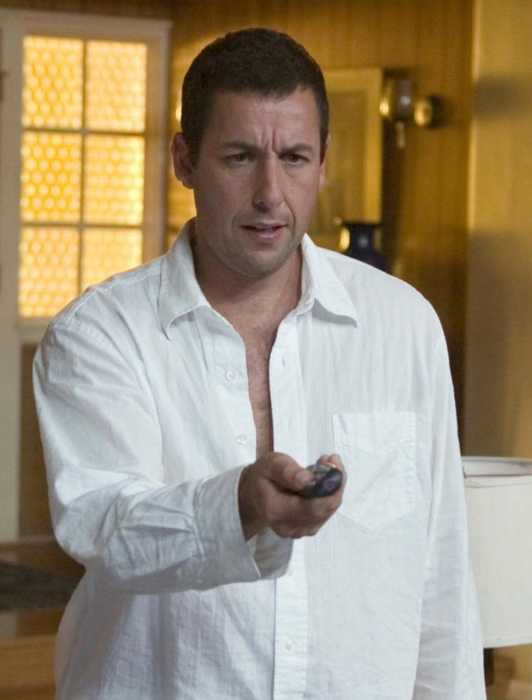
While traditional theatrical receipts established his baseline, Sandler’s pivot to subscription video on demand (SVOD) cemented his status as an indispensable entertainment engine. In 2014, when premier movie stars still viewed streaming platforms with skepticism, Sandler signed a landmark four-picture deal with Netflix valued at an estimated $250 million.
The gamble paid off exponentially for both parties. In 2019, Murder Mystery, co-starring Jennifer Aniston, was streamed by more than 73 million households within its first four weeks, ranking as one of the platform’s most-watched original releases. By 2020, Netflix revealed that users had logged more than two billion hours viewing Sandler's titles. This prompted subsequent multi-hundred-million-dollar contract extensions, proving that his box office drawing power transitioned smoothly into user retention and subscriber acquisition metrics.
Balancing Lowbrow Slapstick with Prestige Masterclasses
What differentiates Sandler from other commercial comedy stars is his calculated oscillation between broad, lucrative comedy and high-stakes dramatic acting. Far from diluting his commercial brand, his dramatic turns elevate his cultural relevance and demonstrate formidable artistic depth.
- Punch-Drunk Love (2002): Paul Thomas Anderson harnessed Sandler’s trademark suppressed rage to earn him critical acclaim and a Golden Globe nomination.
- The Meyerowitz Stories (2017): Noah Baumbach tapped into Sandler’s natural vulnerability, premiering at Cannes to standing ovations.
- Uncut Gems (2019): The Safdie brothers directed Sandler to an Independent Spirit Award for Best Male Lead, grossing over $50 million domestically against a modest budget and establishing A24’s biggest domestic hit at the time.
- Hustle (2022): A grounded sports drama that dominated streaming charts while earning Screen Actors Guild award recognition.
This balance grants Sandler an enviable industry position: the artistic respect of auteur filmmakers paired with the unshakeable commercial leverage of an A-list box office draw.
Strategic Lessons from the Sandler Playbook
Entertainment executives and independent creators can draw several operational insights from Sandler’s prolonged reign:
- Control the Pipeline: By owning his production company and retaining key intellectual property stakes, Sandler maintains creative autonomy and financial upside.
- Prioritize Long-Term Trust Over Short-Term Novelty: Delivering consistent tonal expectations preserves brand loyalty far longer than chasing fleeting cinematic trends.
- Diversify Distribution Early: Recognizing the value of digital distribution ahead of legacy competitors gave Sandler a multi-year head start in mastering SVOD economics.
The Unstoppable Trajectory of an Entertainment Icon
In an era characterized by fragmented media consumption and risk-averse studio balance sheets, Adam Sandler remains an anomaly: an autonomous, self-sustaining box office ecosystem. Whether through multiplex ticket sales, international animation distribution, or billions of hours streamed in living rooms worldwide, his business model demonstrates that understanding audience psychology and maintaining operational loyalty yields generational dividends. Sandler’s commercial future remains secure, proving that the Kingmaker’s touch shows no signs of fading.