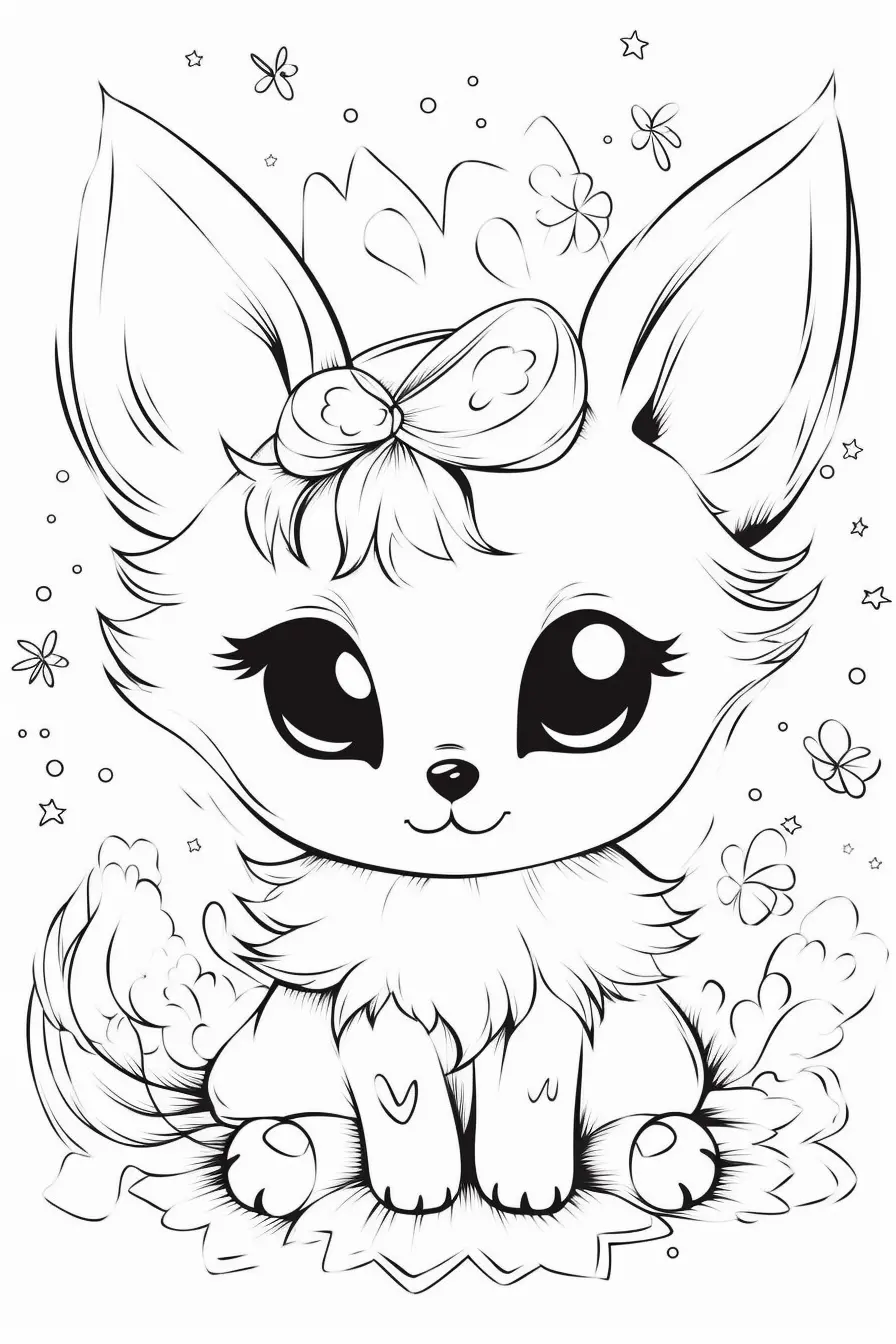
Adorable Coloring Pages for Kids 3 Years
Finding engaging, age-appropriate activities for a restless toddler can feel like a daily challenge. If you want to encourage focus, creativity, and calm playtime, you need to discover adorable coloring pages for kids 3 years right now. At age three, children are transitioning from random scribbling to deliberate marks, making it the perfect time to introduce structured coloring.

However, handing a three-year-old a standard coloring book meant for older kids often leads to frustration. Toddlers need specific designs that match their developing hand-eye coordination and cognitive milestones. In this guide, we explore what makes great toddler coloring sheets, the developmental benefits, and where to find the cutest options.
Why 3-Year-Olds Need Special Coloring Pages
At three years old, children are rapidly developing their fine motor skills, but their hand muscles are still small and weak. Standard coloring books are often too complex, featuring tiny details, intricate patterns, and thin lines that are impossible for a toddler to stay inside.
When selecting pages for a three-year-old, look for specific features that set them up for success:
- Thick, Bold Outlines: Thick black borders act as a visual boundary and easily hide stray marks, giving toddlers a sense of accomplishment.
- Simple Shapes and Minimal Detail: Single-subject images—like a big apple, a simple star, or a friendly cat—prevent cognitive overload.
- Familiar Objects: Toddlers love coloring things they recognize from their daily routine, such as toys, animals, vehicles, and food.
Top Themes to Spark Toddler Creativity
To keep a three-year-old engaged for more than two minutes, the subject matter has to capture their imagination. Here are some of the most popular and adorable themes that toddlers adore.
1. Cute Farm and Zoo Animals
Animals are an absolute favorite for this age group. Toddlers are naturally drawn to creatures that make sounds or have friendly faces. Look for coloring sheets featuring:
- Chubby puppies and kittens with big eyes
- Smiling cows, pigs, and sheep
- Friendly forest animals like bears and bunnies
As your child colors, you can make animal sounds together, turning a quiet art session into an interactive learning game.
2. Big Vehicles for Little Hands
Transportation themes never fail to excite. Simple drawings of dump trucks with massive wheels, chugging trains, and airplanes flying through simple clouds are huge hits. These pages are especially helpful for introducing directional language, such as 'up,' 'down,' 'fast,' and 'slow.'
3. Everyday Foods with Friendly Faces
Video: Ultimate Kids Coloring Pages! 30 Cute Dream Creatures To Print & Color 🎨✨ #coloring #easydrawing

Food items drawn in a 'kawaii' style—complete with big smiling eyes and happy mouths—are irresistible to three-year-olds. Think of a slice of watermelon, a banana, or a bowl of soup smiling back at them. It makes the coloring process feel like playing with a new friend.
The Developmental Benefits of Coloring at Age 3
Coloring is much more than just a way to keep a child quiet on a rainy afternoon. It serves as a foundational building block for future writing and learning skills.
Strengthening Hand Muscles
Gripping a crayon, marker, or thick colored pencil helps toddlers build the intrinsic hand muscles required for holding a pencil correctly when they eventually start school. It also improves their pincer grasp.
Enhancing Hand-Eye Coordination
Trying to make the crayon land on a specific part of the paper trains the brain to coordinate visual input with physical hand movement. While a three-year-old won't color within the lines consistently, the act of trying builds crucial neural pathways.
Encouraging Emotional Self-Regulation
Sitting down with a set of crayons provides a wonderful quiet-time activity. The repetitive motion of coloring can soothe an overstimulated toddler, helping them transition smoothly from high-energy play to naptime or bedtime.
Tips for a Frustration-Free Coloring Experience
Even with the best coloring pages, toddlers can sometimes lose interest or get upset if things don't go their way. Use these practical tips to ensure a positive experience:
- Choose the Right Tools: Ditch standard thin crayons, which break easily under a toddler's heavy grip. Opt for triangular crayons that won't roll off the table, or washable jumbo markers that provide instant, vibrant color with very little physical pressure.
- Keep Sessions Short: A three-year-old's attention span typically lasts between 5 to 10 minutes. Do not force them to finish a whole page in one sitting. Let them color for a few minutes and move on when they lose interest.
- Focus on the Process, Not the Product: Praise your child's effort rather than the final artwork. Instead of saying 'good job staying in the lines,' try 'I love how hard you worked on the blue sky!' or 'Look at those big, bold strokes!'
- Print on Sturdier Paper: Standard printer paper can easily tear under enthusiastic toddler coloring, especially if they use markers or watercolors. Print your chosen pages on heavier cardstock for a much more durable canvas.
Conclusion
Incorporating art into your toddler's daily routine is a wonderful way to foster creativity, build fine motor skills, and enjoy quiet moments together. By choosing age-appropriate designs featuring thick lines and lovable characters, you set the stage for success. Ready to get started? Search for free printable toddler resources online, grab a pack of jumbo crayons, and dive into a world of simple, creative fun today!