Aesthetic Multiplication Charts for Busy Moms
Let’s face it: standard school supplies rarely match your home decor. Traditional multiplication charts are often loud, neon, and covered in distracting cartoon characters that clash with a calm, intentional living space. If you are trying to cultivate a peaceful home environment while supporting your child's education, you don't have to sacrifice style for function.

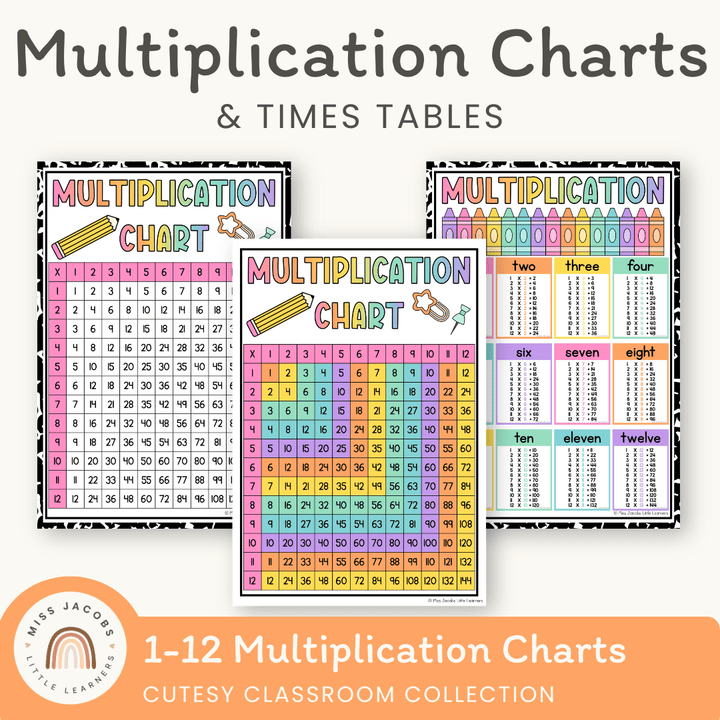
Using aesthetic multiplication charts for busy moms is a game-changer. These beautifully designed math aids blend seamlessly into kitchen command centers, homeschool nooks, or bedroom study spaces. They provide the quick-reference support your children need for homework without turning your walls into an eyesore. Best of all, they save you time hunting down resources when those nightly math panic moments strike.
Why Aesthetic Math Charts Work for Kids and Moms
Visual learning relies heavily on repeated exposure. When a multiplication grid is posted in a high-traffic area of your home—like near the kitchen island or the family desk—children absorb the numbers naturally throughout the day. They glance at it while eating breakfast or waiting for a snack.
For busy mothers, reducing friction in the daily routine is everything. Having a reliable, beautiful chart on hand eliminates the frantic search for lost worksheets or forgotten math binders. It empowers older children to find their own answers independently, fostering self-reliance while you prep dinner or help a younger sibling.
Design Styles to Match Your Home Decor
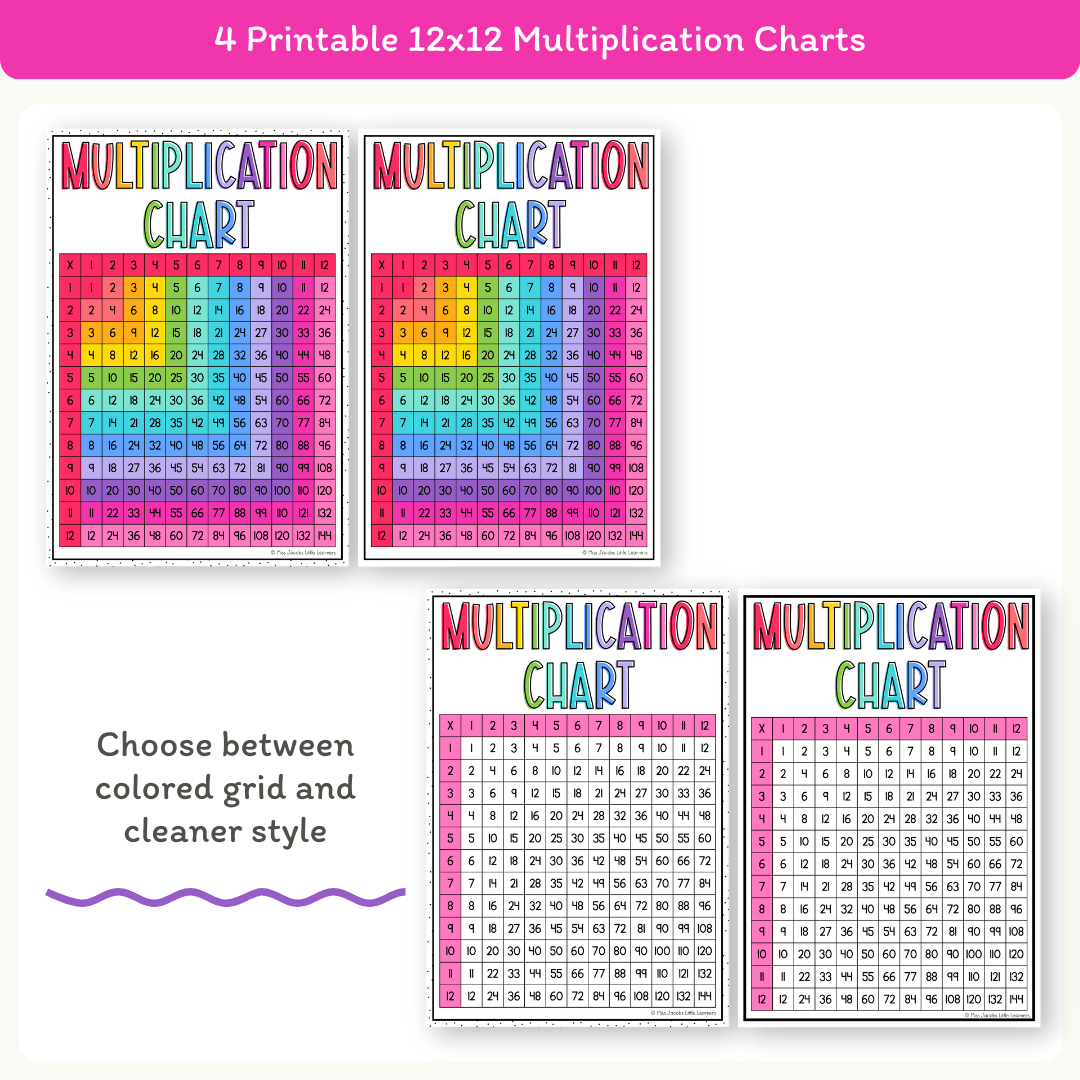
You no longer have to settle for primary colors you hate. Modern printables come in a wide variety of sophisticated palettes and artistic styles tailored to complement contemporary interiors.
Minimalist and Neutral
If your home features warm whites, beiges, and natural wood tones, a minimalist chart is your best bet. Look for designs featuring clean sans-serif typography, soft charcoal grids, and plenty of negative space. These charts look more like modern typography art than math tools, making them subtle enough for a living room or shared family space.
Video: Multiplication tables Tlm Math |Math Tables project |#Mathtlm /math project for class 3,4

Boho Earth Tones
Terracotta, sage green, mustard, and dusty rose have dominated interior design for a reason—they are calming and grounded. A boho-inspired multiplication chart featuring arch shapes, sun motifs, or muted botanical borders makes learning feel warm and inviting rather than clinical.
Vintage Scholastic
For a timeless, classic look, opt for charts styled after antique botanical prints or vintage classroom flashcards. Muted parchment backgrounds, serif fonts, and delicate hand-drawn borders give these charts a heritage feel that looks stunning framed in a simple oak or black metal frame.
How to Display Your Charts Stylishly
Getting your charts up on the wall in a way that looks intentional rather than temporary makes all the difference. Here are a few low-effort, high-impact ways to display them:
- Floating Frames: Place your printable chart inside a sleek, glass-front floating frame. This instantly elevates a standard piece of paper into sophisticated wall art.
- Wooden Magnetic Hangers: Use minimalist teak or pine poster hangers. They allow you to swap out charts easily as your child progresses to division or fractions.
- Clipboard Galleries: Clip a rotation of educational charts to brass or wooden clipboards mounted on the wall. It creates an organic, curated look that is easy to update.
Tips for Making Math Practice Low-Stress
Decor is only half the battle; the real goal is making math practice manageable for your family. Pair your new visual charts with practical routines that do not overwhelm your schedule.
- Integrate casual reference: When your child asks a math question while doing homework, gently guide their eyes to the chart instead of giving the answer immediately. Teach them how to use the grid rows and columns to find the intersection.
- Laminate for durability: If your chart is going in a high-traffic spot or near the kitchen table, print it on cardstock and laminate it. This protects it from sticky fingers, spills, and everyday wear and tear.
- Keep it interactive: Use dry-erase markers on laminated versions to circle tricky equations or play quick, two-minute recall games while dinner is in the oven.
Incorporating aesthetic multiplication charts into your home proves that practical parenting tools do not have to clash with your personal style. By blending beautiful design with everyday utility, you can create a supportive learning environment that keeps your kids on track and your home looking gorgeous.