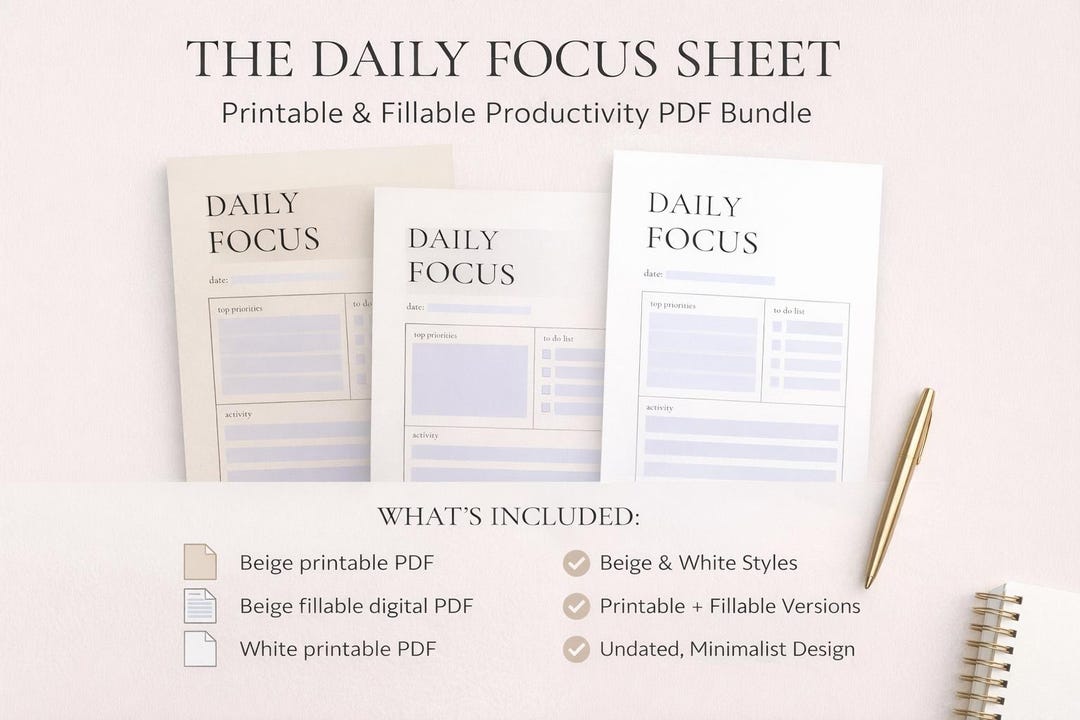
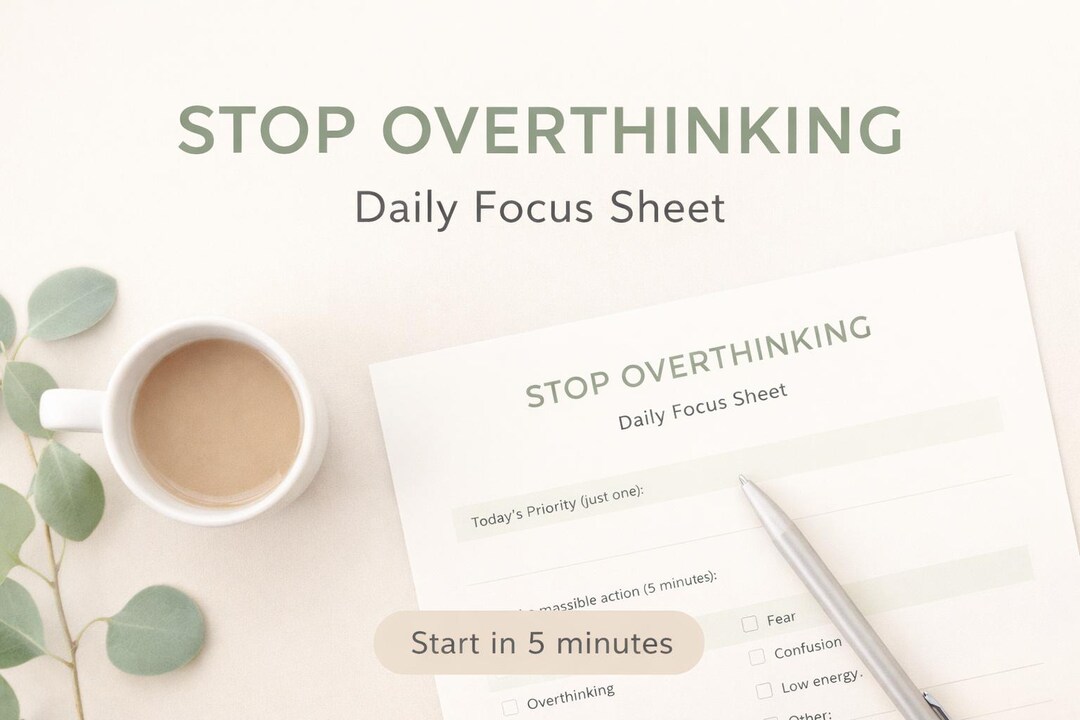
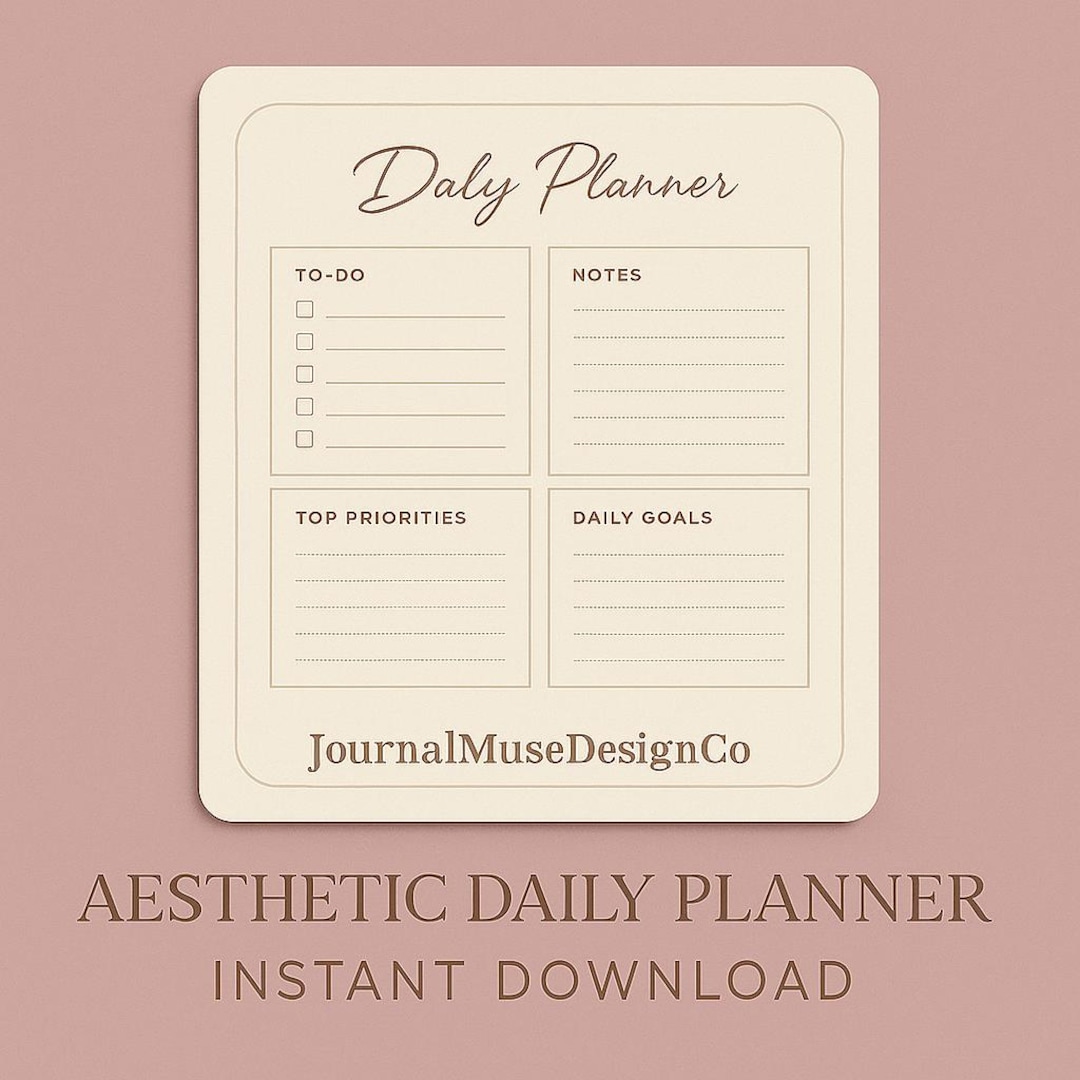
Aesthetic Simon Sinek Style Daily Focus Sheets
Introduction to Purpose-Driven Productivity

Most productivity systems are broken because they focus entirely on the *what* and the *how*. We fill our planners with endless to-do lists, color-code our calendars, and hustle from morning until night, only to end the day feeling exhausted yet unfulfilled. We crossed off twenty tasks, but did any of them actually matter?
This is where the principles of leadership expert Simon Sinek intersect with modern productivity design. By integrating his famous "Golden Circle" philosophy into your daily routine using Aesthetic Simon Sinek Style Daily Focus Sheets, you can bridge the gap between mundane daily tasks and your deeper sense of purpose.
The Philosophy: Start with Why Every Morning
In his groundbreaking book *Start with Why*, Simon Sinek argues that inspiring leaders and organizations always operate from the inside out. They don't just sell what they do; they communicate *why* they do it. When applied to personal productivity, this mindset shift changes everything.
A traditional planner asks: *What do I need to get done today?*
A Simon Sinek-inspired focus sheet asks: *Why am I doing this work, and how will it move me closer to my ultimate vision?*
When you anchor your daily checklist to a core belief or a long-term mission, routine administrative tasks transform into meaningful contributions. You stop chasing arbitrary output and start focusing on genuine impact.
Anatomy of Aesthetic Simon Sinek Style Daily Focus Sheets
To make this philosophy work in practice, your daily layout needs both psychological depth and visual appeal. Minimalism is key. An aesthetic design removes cognitive clutter, allowing your mind to focus purely on what matters.
Here is how to structure your daily template:
1. The "Why" Anchor Header
At the very top of your sheet, reserve a dedicated space for your core purpose statement. This shouldn't be a task; it should be an identity or a mission statement. For example: *"To create clarity for others"* or *"To build financial freedom for my family."* Writing this down first thing in the morning centers your nervous system and sets the tone for the entire day.
2. The Golden Circle Task Breakdown
Divide your daily action area into three distinct sections reflecting Sinek’s framework:
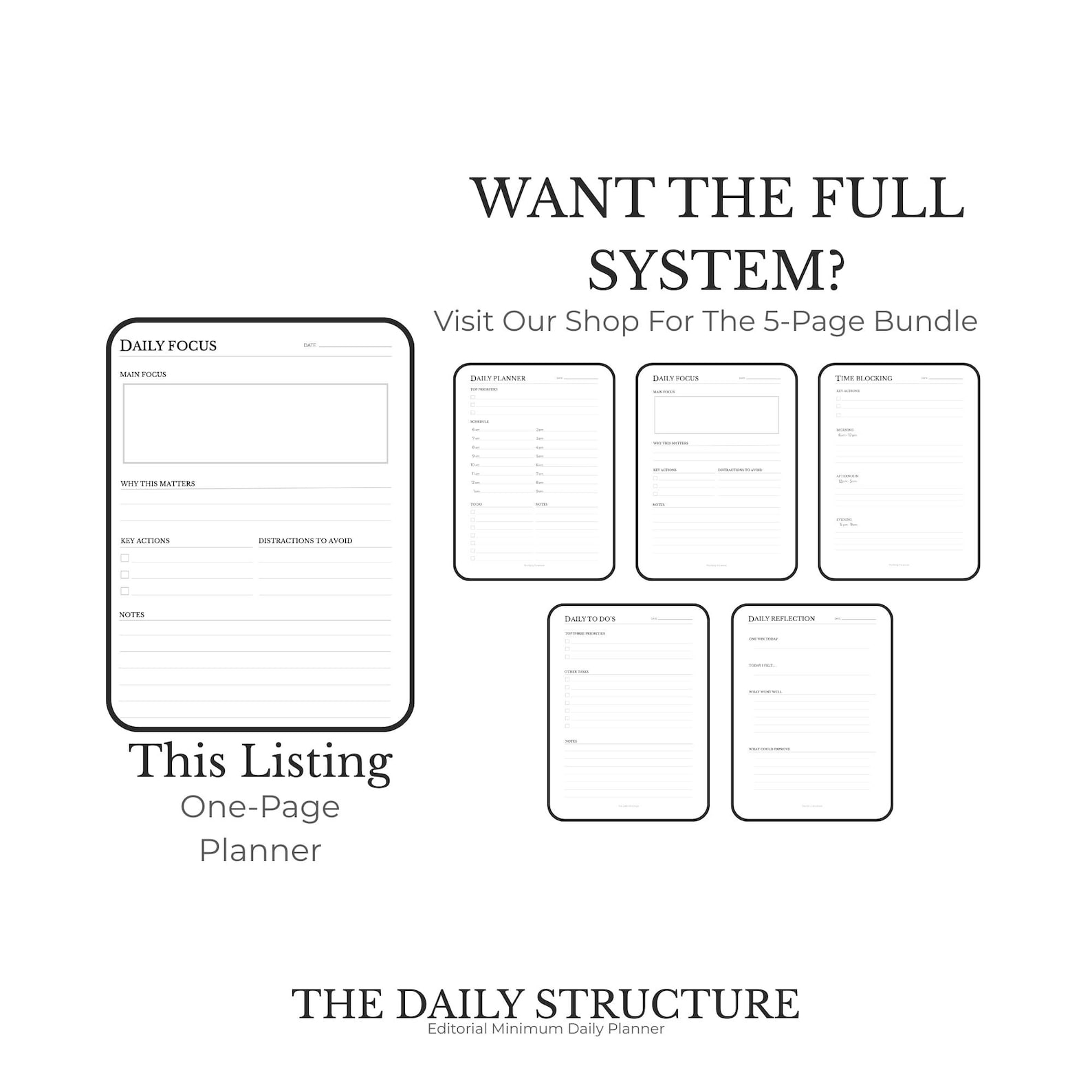
- Why (The Purpose): Why is today important? What belief are we serving today?
- How (The Principles): How will I show up? (e.g., with patience, rigorous focus, or creative experimentation).
- What (The Tangible Actions): The actual deliverables, capped at three core priorities to prevent overwhelm.
3. The Aesthetic Minimalist Design Elements
Form follows function. To ensure you actually use your focus sheet every day, it needs to look inviting. Incorporate these design elements:
- Whitespace: Leave plenty of blank room around your text so the page feels calm, not chaotic.
- Muted Color Palettes: Use soft neutrals, warm beige, sage green, or charcoal gray instead of glaring neon highlighters.
- Typography: Pair a clean sans-serif font for headers with a legible serif or simple script for accents.
How to Implement Your Focus Sheet Daily Routine
Having a beautifully designed sheet is only half the battle. Building a sustainable habit requires consistency and intention. Follow this simple daily cadence to get the most out of your layout:
The Evening or Morning Ritual
Spend five minutes either the night before or right with your morning coffee filling out the sheet. Do not rush this step. Writing by hand engages different cognitive pathways than typing into a digital app, cementing your intentions into your subconscious.
Midday Alignment Check
Keep your focus sheet open on your desk throughout the day. At noon, do a quick audit. Are the tasks you are currently working on aligned with the "Why" you wrote down this morning? If you find yourself getting sucked into low-value distractions, use the sheet as a reset button.
Evening Reflection
At the end of the day, take sixty seconds to review your progress. Celebrate what you accomplished, but more importantly, reflect on how those actions made you feel. Did you live out your core purpose today? Adjust your approach for tomorrow based on what you learn.
Digital vs. Physical: Creating Your Template
You can create these focus sheets using either physical or digital mediums, depending on your personal workflow preferences:
- Paper & Notebooks: Buy a minimalist dotted journal (like a Leuchtturm1917 or Moleskine) and hand-draw your daily spread using fine-liner pens and a minimalist color palette.
- Digital Design (Canva or Notion): Design a printable PDF template in Canva using aesthetic fonts and minimalist grid lines, print a stack of them, and put them on a clipboard. Alternatively, build a digital dashboard in Notion that mimics the same layout.
Conclusion
Productivity isn't about doing more things faster; it is about doing the right things with intention and purpose. By adopting aesthetic Simon Sinek style daily focus sheets, you transform your daily planning from a chore into a ritual of self-leadership. Clear away the noise, anchor to your core purpose, and design a workday that truly inspires you.