Aetna Meals at Home: Eligibility and Ordering
Recovering from a hospital stay or managing a serious chronic health condition can make grocery shopping and cooking nearly impossible. To help bridge this gap, many Medicare Advantage plans offer post-discharge nutritional support. The aetna meals at home benefit is designed to deliver nutritious, ready-to-heat meals directly to eligible members' doorsteps at no extra cost.

Proper nutrition plays an essential role in preventing hospital readmissions, speeding recovery times, and maintaining independence at home. If you or a loved one are enrolled in an Aetna Medicare Advantage plan, understanding how this supplemental benefit works—and how to claim it—can make a significant difference during a vulnerable period of recovery.
What Is the Aetna Meal Delivery Benefit?
The meal benefit provided by Aetna is a supplemental service included in select Medicare Advantage (Part C) and Dual-Eligible Special Needs Plans (D-SNPs). Through partnerships with established medical food providers like Mom's Meals, GA Foods (SunMeadow), or NationsMarket, Aetna arranges for pre-portioned, medically tailored meals to be delivered directly to the member's home.
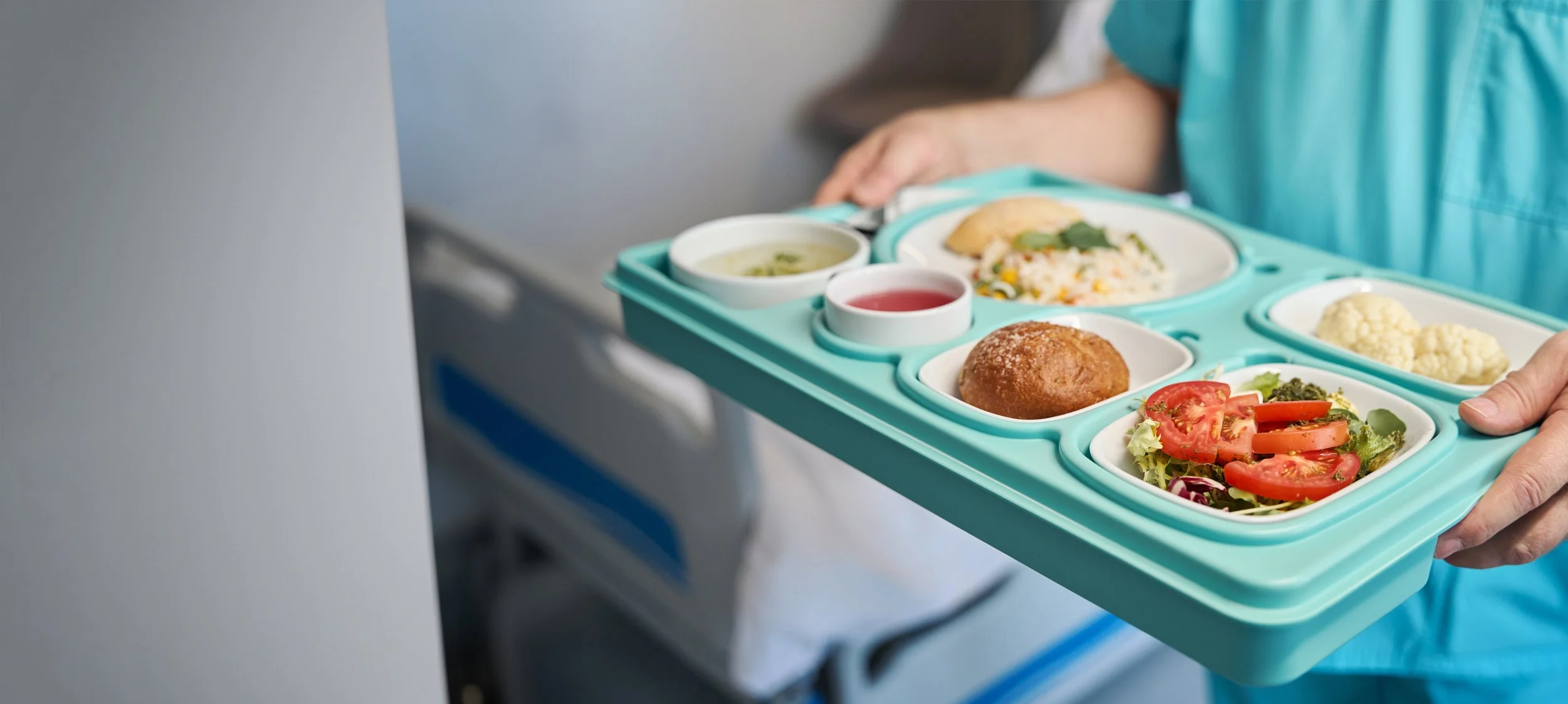
Unlike standard grocery delivery or subscription meal kits, these are fully prepared, flash-frozen or chilled meals. They require no prep work beyond heating in an oven or microwave, allowing recovering seniors or individuals with limited mobility to eat balanced meals without standing over a stove.
Who Qualifies for Aetna Meals at Home?
Eligibility for meal delivery through Aetna depends on your specific plan design and your current health circumstances. Generally, members qualify under one of two primary pathways:
1. Post-Discharge Recovery
The most common way members receive meal benefits is following an inpatient hospital stay or skilled nursing facility (SNF) discharge. If you have been admitted for surgery, illness, or acute rehabilitation, your plan may automatically authorize temporary meal deliveries to assist while you regain strength.
- Qualifying events: Inpatient hospital stays, observation stays meeting specific plan criteria, or transitions from a rehabilitation facility.
- Standard allocation: Most plans offer 14 to 28 meals (typically two meals per day for 7 to 14 days) per qualifying event. Some plans permit this benefit multiple times per calendar year if you experience separate hospitalizations.
2. Chronic Condition Management (SSBCI)
Under the Special Supplemental Benefits for the Chronically Ill (SSBCI) framework established by Medicare, select Aetna plans offer meal benefits to members managing specific, long-term conditions. These benefits do not always require a hospital stay.
- Qualifying conditions: Congestive heart failure (CHF), diabetes, chronic kidney disease (ESRD), chronic obstructive pulmonary disease (COPD), or severe cardiovascular disorders.
- Purpose: To help manage blood sugar, reduce sodium intake, or support kidney function through medically tailored nutritional therapy.
Note: Because benefits vary by county and plan contract, you must verify that your specific policy includes this provision by checking your Evidence of Coverage (EOC).
What Types of Meals Are Provided?
Aetna's meal partners cater to diverse clinical and personal dietary needs. When your order is set up, you or your care coordinator can usually select a specific menu tailored to your medical profile:
- Heart-Healthy / Low-Sodium: Designed for members with hypertension, heart failure, or cardiovascular conditions.
- Diabetic-Friendly: Formulated with balanced carbohydrates and high fiber to assist with glycemic control.
- Renal-Friendly: Controlled for phosphorus, potassium, and sodium to support kidney health.
- Pureed or Soft Diets: Created for individuals recovering from oral surgery, stroke, or conditions causing dysphagia (difficulty swallowing).
- Vegetarian and Gluten-Free: Accommodations for specific lifestyle preferences or food intolerances.
The meals arrive packaged in insulated boxes with cold packs, designed to remain fresh even if left on a porch for several hours prior to refrigeration.
How to Order and Activate Your Meal Benefit

Unlike using a standard OTC allowance or visiting a pharmacy, activating your meal program typically requires coordination between your healthcare team and Aetna. Follow these steps to ensure you do not miss out on your coverage:
Step 1: Involve Your Discharge Planner
If you are currently in the hospital or a rehabilitation center, speak with your discharge planner, social worker, or nurse case manager before leaving. Inform them that your Aetna plan includes a post-discharge meal benefit. In many cases, the facility's team submits the authorization directly to Aetna as part of your discharge plan.
Step 2: Contact Aetna Member Services
If you have already returned home and the benefit was not set up at discharge, call the Member Services phone number on the back of your Aetna insurance card. Tell the representative that you recently returned home from an inpatient stay and wish to activate your post-hospital meal program. Have your discharge paperwork handy, as they may need the date of admission and discharge.
Step 3: Select Your Menu Preferences
Once Aetna approves the authorization, it is transferred to their contracted meal vendor. A representative from the meal service will contact you (or your designated caregiver) by phone to confirm your delivery address, dietary requirements, and delivery date.
Step 4: Receive and Store the Delivery
Deliveries are shipped directly via carriers like FedEx or UPS, or through specialized courier networks. Upon arrival, unbox the meals promptly and place them into your refrigerator or freezer according to the vendor's instructions.
Cost and Limitations
For qualifying members, meals provided under an approved Aetna Medicare Advantage benefit carry a $0 copayment. There are no shipping or handling fees.
However, it is important to be aware of the program's boundaries:
- Not an ongoing food pantry: The post-discharge benefit is temporary, aimed strictly at acute recovery periods.
- Time limits for ordering: Many plans require the benefit to be requested within 14 to 30 days of leaving the hospital. Waiting too long may forfeit that benefit period.
- Individual coverage: Meals are authorized exclusively for the enrolled member, not for spouses or other household members.
Alternative Options If You Do Not Qualify
If your Aetna plan does not include home-delivered meals, or if you have exhausted your allotted post-discharge delivery, several other avenues can help secure reliable nutrition:
- Aetna NationsBenefits / Extra Benefits Card: Some plans provide a quarterly or monthly allowance for approved groceries and pantry staples, usable at participating retail stores.
- Meals on Wheels: Local community chapters provide low-cost or donation-based hot meal deliveries to homebound seniors regardless of insurance status.
- Area Agencies on Aging (AAA): Your local AAA can connect you to county-level nutrition programs, emergency food relief, and senior dining sites.
Final Thoughts
Nutritional stability is critical when recovering from an acute illness or surgery. The aetna meals at home service removes the physical burden of meal preparation during the first fragile weeks back at home. Review your plan details each fall during Medicare Annual Enrollment, and keep your care team informed so you can take full advantage of this valuable health benefit when you need it most.