Air Force ASVAB Score Requirements & Tips to Pass
Joining the United States Air Force is a life-changing career move, but your journey begins with a single, crucial test: the Armed Services Vocational Aptitude Battery (ASVAB). Meeting the Asvab Score Requirements for Air Force Jobs: Avoid Failure With These Key Tips! is the most important step in securing the specific career field—or Air Force Specialty Code (AFSC)—that you want.
Many recruits make the mistake of studying randomly or walking into the Military Entrance Processing Station (MEPS) unprepared. Understanding how the scoring system works and utilizing targeted preparation strategies can mean the difference between landing a high-tech cyber career and being assigned to an unchosen job.
Understanding the Air Force ASVAB Scoring System
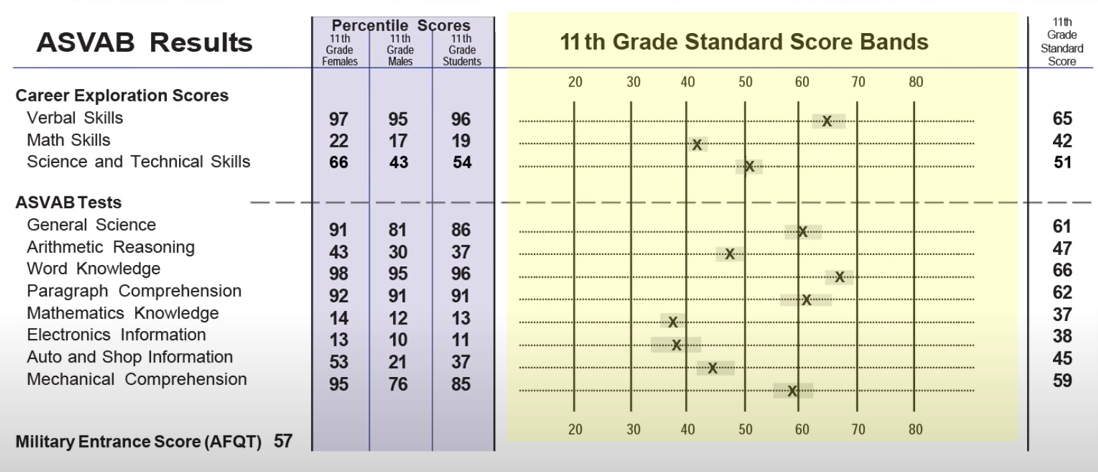
Unlike some other branches of the military that place heavy emphasis on the overall AFQT (Armed Forces Qualification Test) score, the Air Force looks closely at your composite scores. These are derived from specific subtests and are known as the MAGE categories.
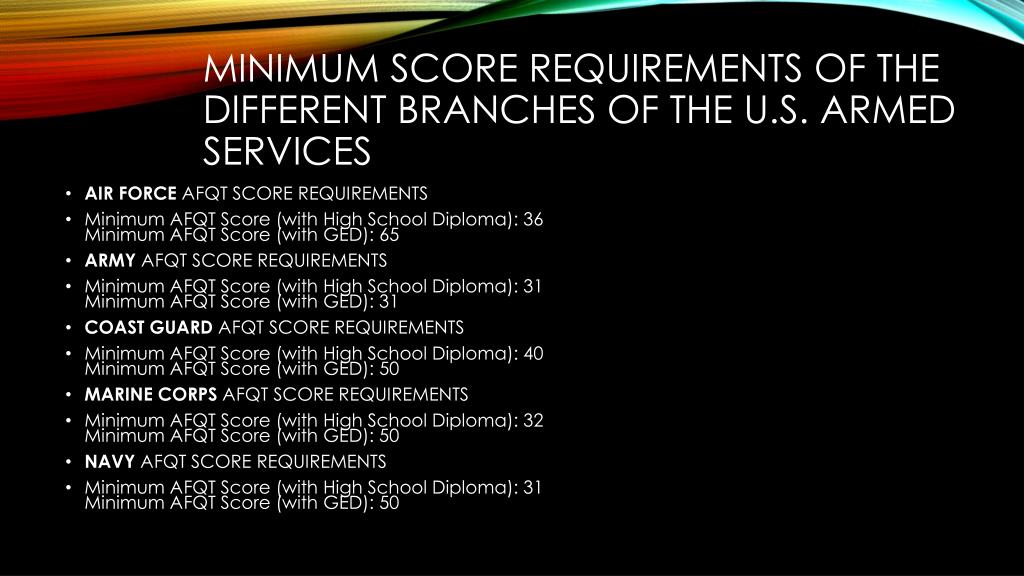
Your AFQT score—which determines your basic eligibility to enlist—is calculated using four subtests: Arithmetic Reasoning (AR), Mathematics Knowledge (MK), Paragraph Comprehension (PC), and Word Knowledge (WK). For the Air Force, you generally need a minimum AFQT score of 31 if you have a high school diploma, though policy changes and GED holders may have different requirements.
The MAGE Categories Explained
Beyond the basic enlistment qualification, the Air Force evaluates your aptitude using four major composite areas, known by the acronym MAGE. Each job requires minimum scores in one or more of these categories:
- Mechanical (M): Measures knowledge of general science, mechanical concepts, and shop information. Crucial for aircraft maintenance, civil engineering, and vehicle mechanics.
- Administrative (A): Derived from verbal and numerical subtests. Essential for personnel, administration, finance, and legal careers.
- General (G): Based on verbal and math subtests. This is the most heavily utilized category, required for intelligence, medical, security forces, and many technical operations.
- Electronic (E): Measures knowledge of electrical current, radio principles, and mathematics. Vital for cyber systems, avionics, and communications fields.
Minimum ASVAB Score Requirements for Popular Air Force Jobs
Every Air Force job has a distinct cutoff score for its corresponding MAGE category. Failing to meet these thresholds removes that career from your available options during the job selection process.
- Cyber Surety / Cyber Systems Operations (3D0X2 / 1D7X1): Requires strong Electronic and General scores. Typically, you need an Electronic score of 60 or higher and a General score around 55.
- Diagnostic Imaging / Medical Technician: Heavily reliant on the General category. You often need a General score of 72 or higher, plus specific scores in science-related subtests.
- Security Forces (Law Enforcement): Requires a more accessible General score, usually a minimum of 33 or higher, making it one of the more attainable fields for general enlistees.
- Aircraft Maintenance: Generally requires qualifying scores in the Mechanical (M) category, often starting around 40 to 60 depending on the specific aircraft platform.
Key Tips to Avoid ASVAB Failure
Failing to score high enough locks you out of thousands of dollars in enlistment bonuses and locks you into a job you may not enjoy. Avoid failure by following these proven preparation strategies.
1. Take Diagnostic Practice Tests Early
Video: ASVAB Scores Explained | What You Need for the Military Job You Want!

Never start studying by opening a massive textbook. Instead, take a timed, full-length diagnostic practice test to establish your baseline. This will immediately expose your weak spots—whether it is word knowledge, mechanical comprehension, or algebra. Focus 80% of your study time on those weak areas rather than reviewing concepts you already understand.
2. Master the Math (Arithmetic Reasoning and Math Knowledge)
Math is the most common reason recruits score lower than expected. Brush up on fundamental math principles such as fractions, decimals, percentages, ratios, algebra word problems, and basic geometry. Because calculators are not permitted during the ASVAB, you must practice doing arithmetic by hand and build your mental math speed.
3. Build Your Vocabulary Strategically
The Word Knowledge subtest tests your understanding of synonyms and contextual vocabulary. Do not try to memorize the entire dictionary. Instead, focus on high-frequency ASVAB vocabulary lists, learn common root words, prefixes, and suffixes, and read dense non-fiction articles daily to improve your reading comprehension and vocabulary organically.
4. Simulate Real Test Conditions
The ASVAB is a computer-adaptive test (CAT-ASVAB) for most enlistees, meaning the questions adapt in difficulty based on your previous answers. Practice taking tests under strict time limits. Time management is often harder than the actual questions; running out of time and leaving blanks will severely tank your score.
What Happens If You Fail or Score Too Low?
If you take the ASVAB and fail to meet the minimum enlistment score (below 31 for high school graduates), or if you do not score high enough for your desired job, do not panic. The Department of Defense mandates a waiting period before you can retest:
- First Retest: You must wait one calendar month (30 days) before taking the test a second time.
- Second Retest: You must wait another calendar month (30 days) before a third attempt.
- Subsequent Retests: After the second retest, you generally must wait six calendar months between any additional testing attempts.
Use this mandatory waiting period wisely. Invest in a dedicated ASVAB prep book, enroll in an online study course, or work with a tutor to ensure your next attempt yields the scores you need.
Conclusion
Securing your ideal career in the United States Air Force depends entirely on your performance on test day. By understanding the nuances of the MAGE composite scores, identifying your target job requirements early, and implementing disciplined study habits, you can conquer the exam and avoid the disappointment of a low score. Start preparing today, treat your study schedule like a mission, and set yourself up for long-term success in the world's most advanced aerospace force.