Airline Pilot Pay Central: Are Regional Wages Liveable?
The Shift in Regional Airline Economics
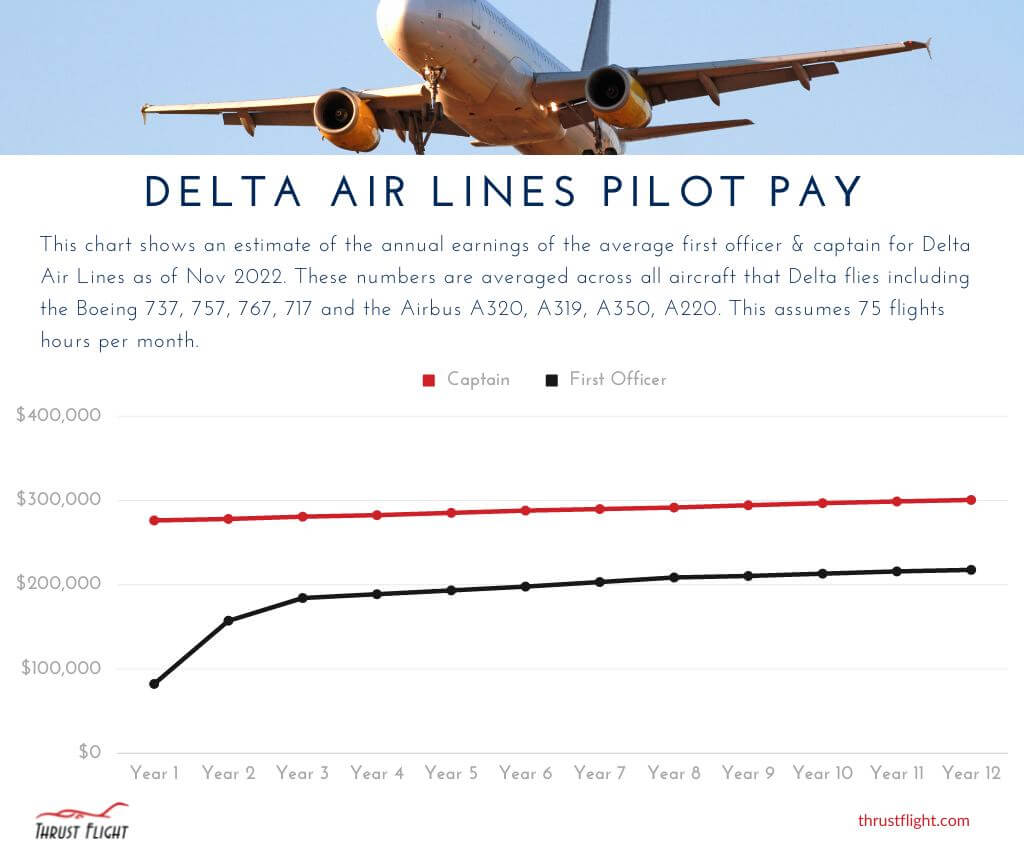
For decades, the path to a major commercial airline ran through the regional carriers—and it was famously paved with poverty-level wages. New First Officers starting at regional airlines often earned less than fast-food managers, struggling to survive on starting salaries hovering around $20,000 to $30,000 a year. Aspiring aviators accepted these low rates simply to build the mandatory 1,500 flight hours required by the FAA.
However, the landscape of airline pilot pay central has undergone a seismic shift in recent years. Fueled by a severe pilot shortage, mandatory retirements at major carriers, and aggressive union negotiations, regional airlines were forced to completely restructure their compensation packages. Today, understanding whether regional carriers offer truly liveable wages requires looking past the flashy signing bonuses and examining the base pay, hourly guarantees, and long-term financial realities.
Decoding Modern Regional Pilot Salaries
To determine if modern regional pay is liveable, we must look at how pilot compensation is structured. Unlike standard salaried positions, pilots are paid by the flight hour, with strict contractual minimums (usually around 75 hours per month).
Starting Pay and Hourly Rates
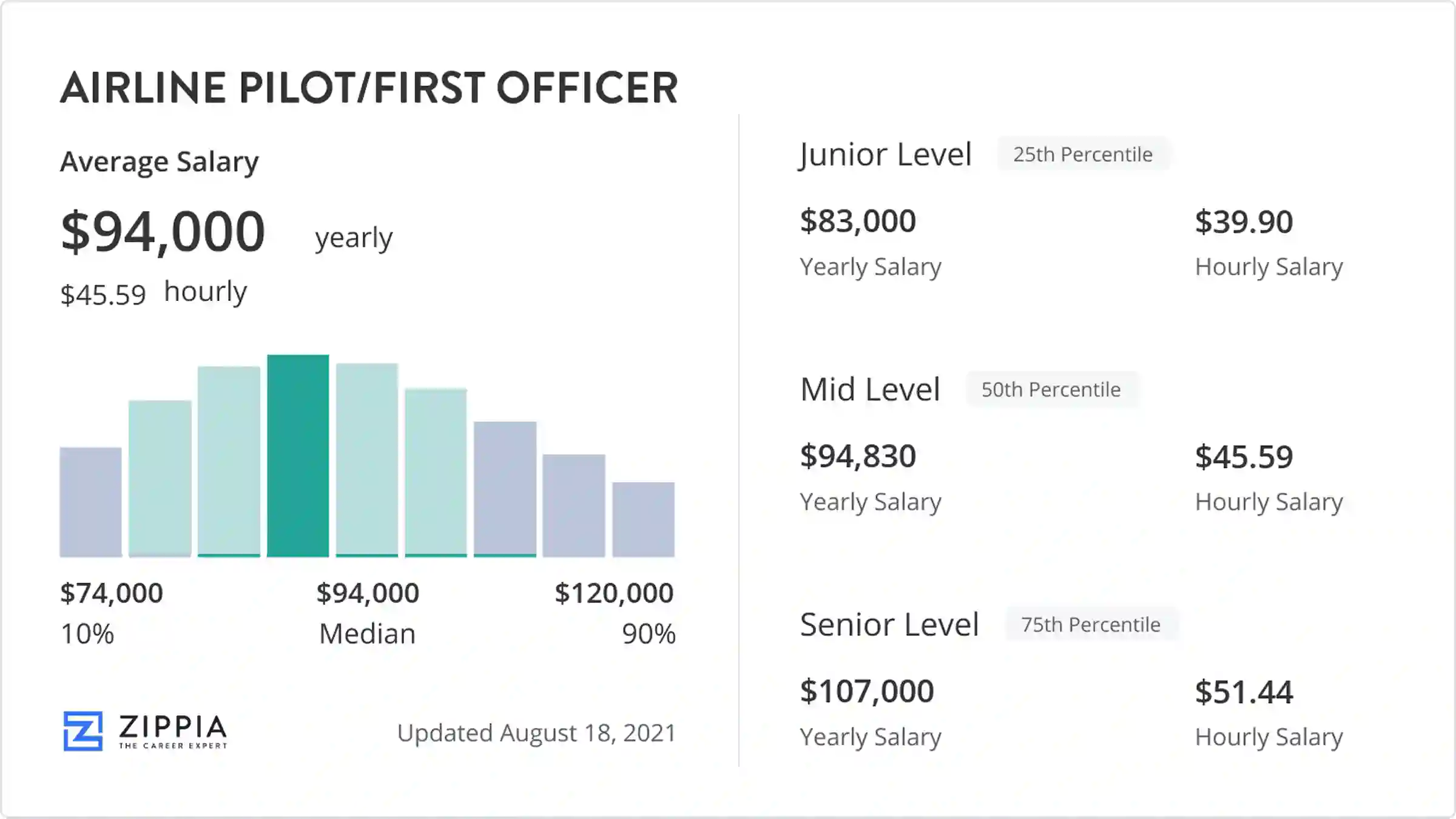
In the wake of industry-wide contract bumps, first-year First Officer hourly rates at major regional carriers jumped dramatically. Where pilots once started at $40 an hour, many regionals now start First Officers at $90 to $100+ per hour. For a guaranteed 75 hours a month, this translates to an annual base salary ranging from roughly $80,000 to over $100,000 right out of flight school.
The Impact of Signing and Retention Bonuses
Airlines also introduced massive financial incentives to attract talent. Signing bonuses ranging from $10,000 to $100,000 became common place. While these bonuses look incredible on paper, they often come with strict caveats:
- Multi-year service commitments tied to the airline.
- Pro-rated repayment clauses if the pilot leaves early or fails upgrade training.
- Tax implications that significantly reduce the net lump sum received.
Hidden Costs and Financial Realities
While a six-figure starting wage sounds undeniably liveable, regional airline pilots face unique financial hurdles that traditional employees do not encounter. When evaluating airline pilot pay central data, prospective pilots must account for several major out-of-pocket expenses.
Training Debt and Certification Costs
Video: Regional Airline Pilot Pay in 2026 – What First Year FOs Actually Make

Before ever stepping foot in a regional turbofan or jet, a pilot must accumulate hundreds of thousands of dollars in training debt. Earning a commercial license, multi-engine rating, and instructor certificates easily costs between $80,000 and $120,000. Servicing these high-interest loans can consume a massive portion of a first-year regional pilot's newly elevated paycheck.
The Commuter Lifestyle
Regional airlines operate out of smaller, spoke-and-hub airports, but pilots rarely live in their assigned domicile. This necessitates the dreaded "commuter lifestyle." Pilots must pay out of pocket for crash pads (shared apartments near their base), standby flights, and travel expenses to get to work. These hidden living costs can quickly eat into a regional salary, particularly for pilots based in high-cost-of-living metropolitan areas like New York or Los Angeles.
Per diem and Quality of Life Factors
Cash wages are only part of the equation. Per diem payments—tax-free allowances for meals and incidental expenses while away from base—provide a helpful supplement to a pilot's monthly take-home pay. Depending on the schedule and number of days spent on the road, per diem can add several thousand dollars a year to a pilot's net income.
However, quality of life impacts financial well-being. Reserve schedules, rolling delays, and time spent away from family create mental and physical fatigue. While the hourly rate is liveable, the actual hourly effort—factoring in unpaid ground time, delays, and deadheading—can skew the true value of the compensation.
Are Regional Wages Sustainable Long-Term?
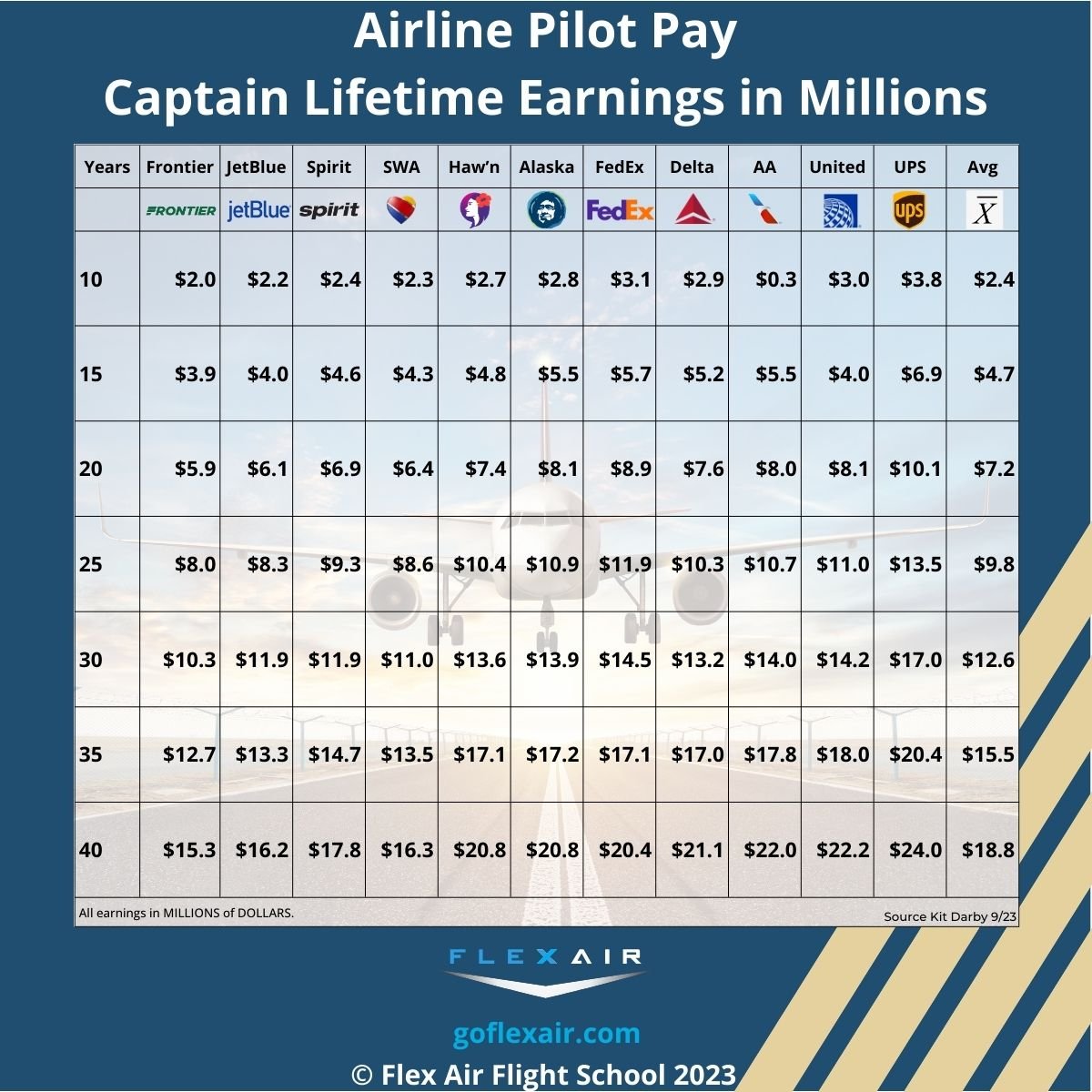
The crucial question for the future of aviation is whether these elevated regional wages are here to stay or if they are merely a temporary bubble. Historically, regional pay has fluctuated based on the economic health of major legacy carriers like Delta, United, and American Airlines.
As long as major airlines continue to face a steep retirement cliff, they will draw heavily from regional carriers. To maintain their pilot pipelines, regionals must keep their wages competitive. While market corrections may occur, the era of sub-$30,000 regional pilot pay is largely considered a relic of the past.
Conclusion: A Viable Path Forward
Ultimately, regional airlines are finally offering truly liveable wages compared to historical standards. Earning $90,000+ in your first year as a commercial pilot is a respectable income that allows individuals to service debt, pay living expenses, and build a career foundation.
Nevertheless, prospective aviators must approach the industry with eyes wide open. High training debt, the hidden costs of commuting, and the unpredictable nature of aviation economics mean that financial discipline is still required. For dedicated professionals, today's regional paychecks successfully bridge the gap between initial training and a lucrative career at a major carrier.


.png)