Airline Pilot Pay Central: The Dirty Secret
Introduction

To the average passenger looking out the window of a Boeing 737, the flight deck looks like a dream office. Captains and first officers command six-figure salaries, travel the world, and hold positions of immense responsibility. For decades, the public perception has been that commercial pilots enjoy a golden ticket to financial security.
However, when you dig into Airline Pilot Pay Central data and industry practices, a very different reality emerges. Behind the glossy marketing brochures of flight academies and the glamorous uniform lies a gritty ecosystem of crushing debt, delayed earnings, and systemic exploitation of junior aviators. It is time to expose the industry's dirty little secret.
The Myth of the Six-Figure Starting Salary
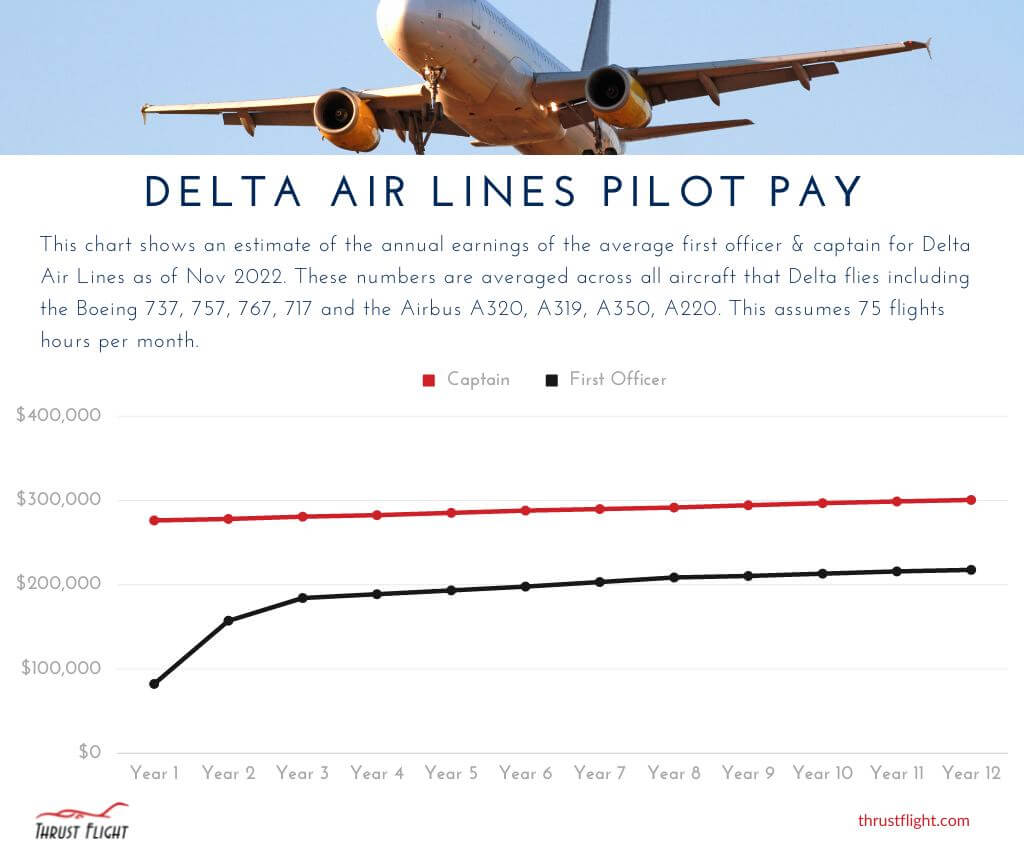
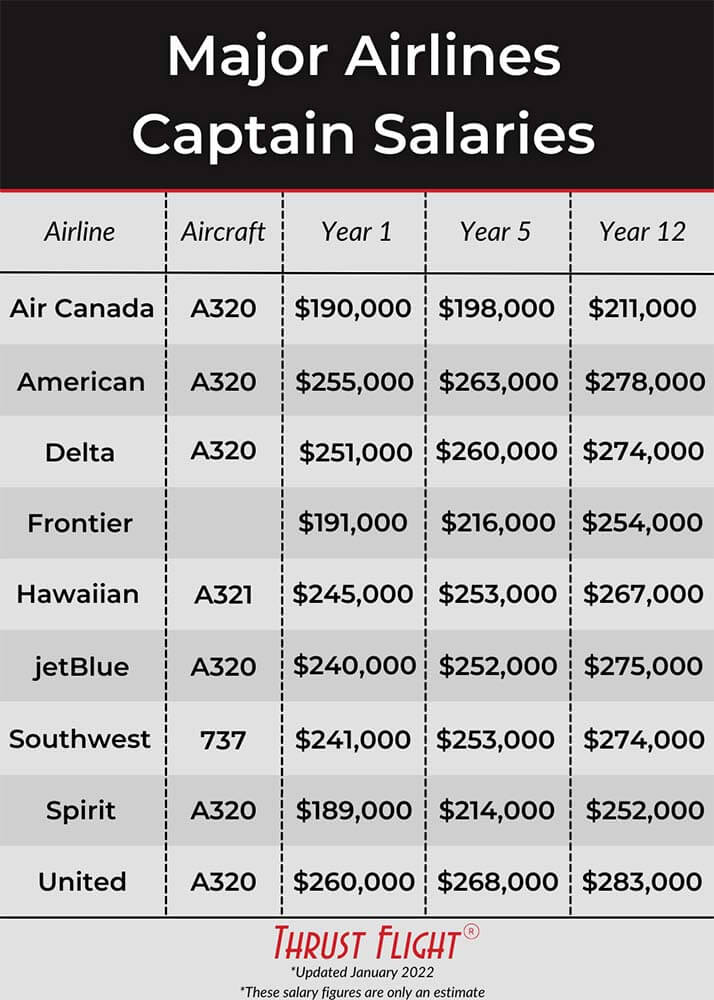
Major network carriers like Delta, United, and American Airlines do pay their senior captains upwards of $300,000 to $400,000 a year. These headline-grabbing figures dominate news cycles, especially during high-stakes union contract negotiations. Aspiring pilots see these numbers and assume financial prosperity is just a diploma away.
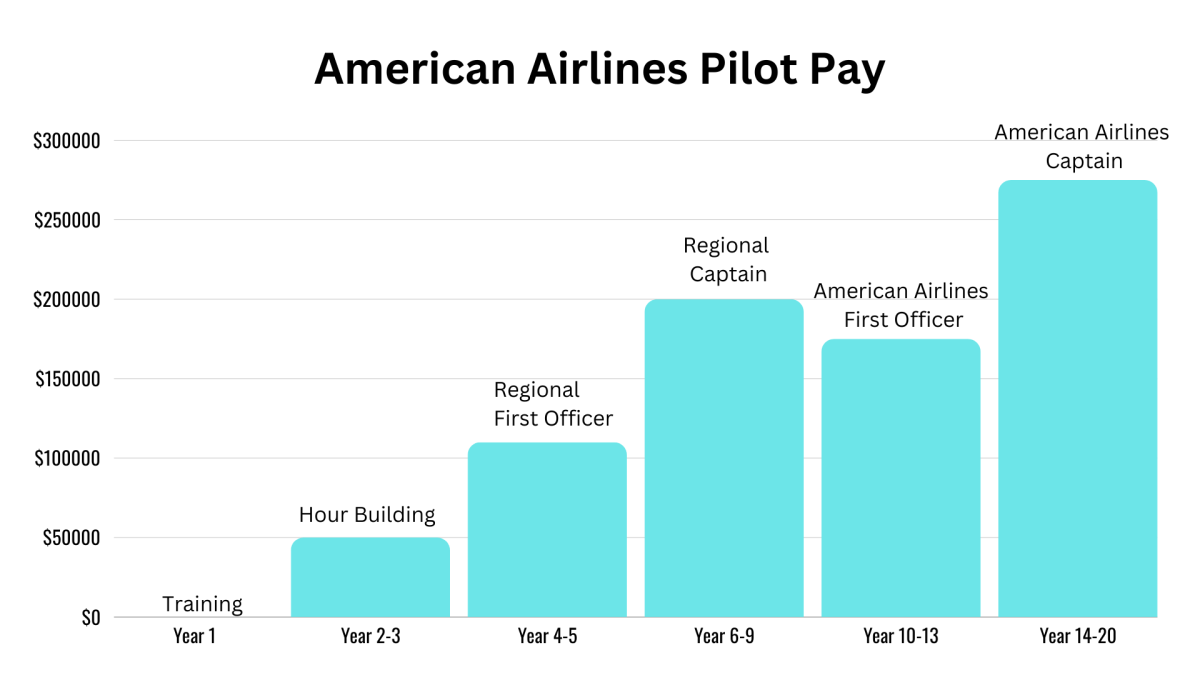
The deceptive part of this narrative is the timeline. Reaching the left seat of a widebody jet at a legacy carrier takes 15 to 25 years of professional flying. Long before a pilot ever touches a major airline paycheck, they must navigate a grueling financial gauntlet that often leaves them on the brink of bankruptcy.
The Flight School Debt Trap
Before a pilot can even apply for a job, they need certifications: Private Pilot, Commercial Pilot, Instrument Rating, and Multi-Engine Rating, culminating in a minimum of 1,500 flight hours to meet FAA mandates (in the United States).
- Accelerated Programs: Zero-to-hero flight schools often cost between $90,000 and $120,000 in tuition alone.
- Interest Rates: Private student loans for flight training frequently carry variable interest rates well above 10%.
- Cost of Living: Because flight training is a full-time, immersive endeavor, students often cannot work secondary jobs to support themselves.
Graduates step out of flight school owing six figures, only to enter a job market where entry-level pay can hover near the poverty line.
Unpaid Hours: The Real Scandal
One of the best-kept secrets of the commercial aviation industry is how pilots are actually compensated. Unlike salaried office workers or hourly wage earners who get paid from the moment they clock in, airline pilots are typically paid by the block hour—the time the aircraft pushes back from the gate until it parks at the destination.

This payment structure means pilots routinely perform critical, safety-sensitive work completely for free. Unpaid duties include:
- Pre-flight aircraft inspections and walkarounds.
- Filing flight plans and reviewing weather data.
- Boarding passengers and dealing with delays at the gate.
- Sitting through mandatory company safety briefings and training sessions.
When you factor in these unpaid hours, a regional first officer's seemingly decent hourly rate drops significantly, sometimes pushing their actual take-home compensation below minimum wage during heavy delay months.
Inside Airline Pilot Pay Central: The Regional Disparity
For decades, regional airlines—the feeder carriers operating smaller regional jets under major brand flags—were notorious for paying starvation wages. First officers at regional carriers used to start at around $20,000 to $25,000 per year, forcing many to rely on food stamps and government assistance.
While a post-pandemic pilot shortage forced regionals to temporarily hike starting pay to $90+ per hour, the underlying structural instability remains. Regional airlines operate on razor-thin profit margins. As economic cycles shift and airline demand fluctuates, entry-level compensation packages are constantly vulnerable to stagnation and cutbacks.
Per Diems and Hidden Expenses
Airlines often market 'per diem' allowances as a major perk. While per diem is technically tax-free money meant to cover meals and incidental expenses while away from base, it is not a bonus. Living out of hotels 15 to 20 nights a month means paying for overpriced airport food, maintaining a second crash pad apartment near your assigned base, and managing double living expenses.
Furthermore, pilots must pay out of pocket for their annual Federal Aviation Administration (FAA) medical exams, uniform upkeep, specialized luggage, and recurrent simulator training expenses in many non-union or low-cost operating environments.
Conclusion: Navigating the Reality
Commercial aviation remains a rewarding, highly skilled profession that ultimately offers great long-term financial stability for those who reach the top tier. However, prospective aviators must look past the shiny veneer promoted by flight schools and industry recruiters.
Understanding the truth behind Airline Pilot Pay Central allows future pilots to plan wisely. By budgeting for massive initial debt, factoring in years of low regional wages, and preparing for the reality of unpaid ground hours, aspiring aviators can enter the cockpit with their eyes wide open.