Airline Pilot Pay Central: The Real Cost of Cheap Tickets
The Illusion of the $49 Flight
We live in an era of unprecedented travel accessibility. With just a few clicks, you can secure a cross-country flight for less than the cost of a nice dinner out. But when passengers land at their destination after paying rock-bottom prices, few stop to consider the mechanics making those fares possible. Welcome to Airline Pilot Pay Central, where the hidden economics of modern aviation reveal a sobering truth: when you buy a cheap airline ticket, someone else is paying the difference.
For decades, commercial aviation has operated under relentless pressure to slash costs. As low-cost carriers (LCCs) and ultra-low-cost carriers (ULCCs) disrupted the market, legacy airlines were forced to adapt to survive. Ancillary fees—charging for carry-on bags, seat selection, and snacks—became the norm. However, the most significant variable cost for any airline has always been labor, specifically flight crew compensation.
Inside Airline Pilot Pay Central: How Compensation Works
To understand why cheap tickets are intrinsically tied to pilot wages, you have to look at how aviators are actually paid. Unlike traditional salaried employees working standard 40-hour weeks, commercial pilots are paid strictly by the hour—and not just any hour. They are typically compensated only for "block time," which is the duration from the moment the aircraft pushes back from the gate until it parks at the destination gate.
The Hidden Hours: Unpaid Ground Time
Delays, pre-flight inspections, weather groundings, and sitting in the terminal between flights are largely unpaid. If a flight is delayed on the tarmac for three hours due to air traffic control, a pilot's hourly meter might not be running. This compensation structure means that industry-wide pressures to optimize schedules and turnaround times directly compress a pilot's earning potential.
- Block Hours Only: Pilots do not get paid for boarding, paperwork, or weather delays while parked.
- Per Diem Realities: Meal allowances (per diem) cover expenses while away from base, but they do not offset base salary stagnation.
- Seniority Dominance: Pay scales are strictly tied to seniority with a specific airline, meaning starting wages can be shockingly low.
The Regional Airline Squeeze
The starkest contrast in pilot pay exists between major mainline carriers and regional airlines. Major airlines fly wide-body and large narrow-body jets internationally and domestically, commanding high ticket prices and paying substantial salaries. Conversely, regional airlines operate smaller turboprops and regional jets under contract for the majors, feeding passengers into larger hubs.

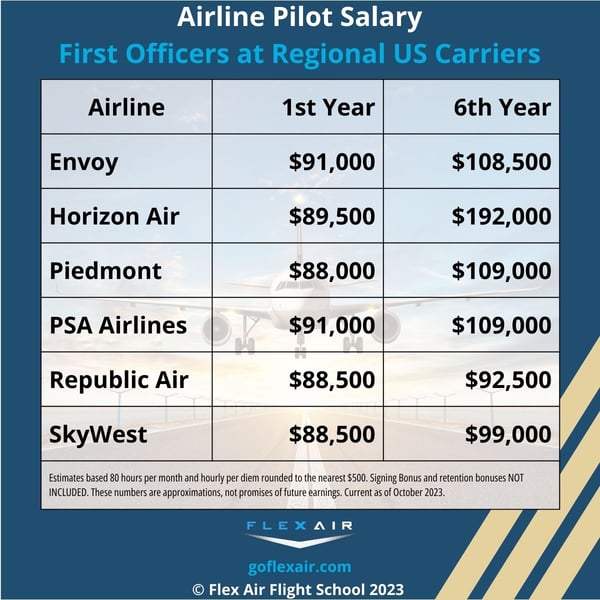
Historically, regional carriers served as the low-cost stepping stone for young aviators trying to build the mandatory 1,500 flight hours required by aviation authorities. For years, regional first officers earned poverty-level wages—sometimes as low as $20,000 to $30,000 annually—while carrying massive flight school debt that frequently exceeded $100,000.
The Post-Pandemic Correction
A severe pilot shortage forced a rapid market correction. Major airlines began aggressively poaching regional captains, creating a vacuum that threatened to ground entire regional networks. In response, regional pilot pay skyrocketed by 50% to 100% almost overnight. While this was a massive win for labor, airlines quickly passed those soaring labor costs directly onto consumers, proving that cheap tickets relied heavily on suppressed pilot wages.
The Ripple Effect on Passenger Safety and Experience
Safety is the aviation industry’s sacred cow, but economic pressures inevitably create friction. When pilots face financial stress, fatigue, and grueling schedules driven by airline optimization algorithms, the margins for error narrow.
- Fatigue Management: Pilots flying maximum allowable legal hours to maximize their monthly pay may experience cumulative exhaustion.
- Career Pipeline Strain: High training costs and low initial pay deter talented candidates from entering the field, threatening long-term industry expertise.
- Service Disruptions: Shortages of reserve pilots mean that a single storm or mechanical issue can trigger cascading cancellations across an entire airline network.
What Consumers Can Do
You don't have to stop traveling to support fair labor practices in aviation, but becoming a more conscious consumer helps. Understanding Airline Pilot Pay Central shifts your perspective from demanding the absolute cheapest fare to valuing sustainable travel.
When booking flights, consider looking beyond the base fare. Pay attention to how airlines treat their workforce, support labor agreements, and prioritize safety over rapid expansion. A few extra dollars spent on a ticket help ensure that the professionals in the cockpit are compensated fairly, rested adequately, and fully focused on getting you safely to your destination.