Alaina Elliss Exposed: Leak Triggers Safety Nets
Understanding the Alaina Elliss Exposed Phenomenon
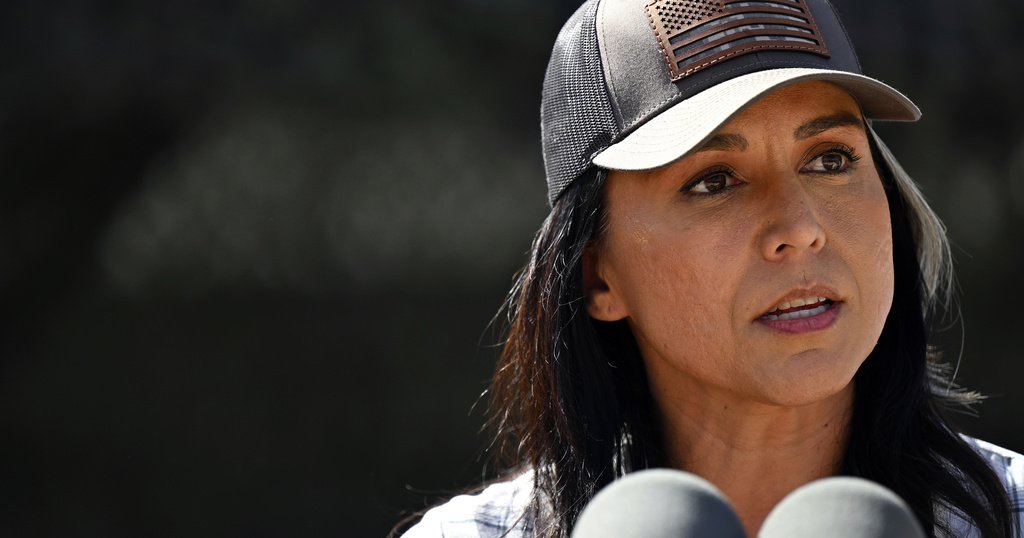
In the digital age, the rapid dissemination of private media can alter lives and spark national conversations almost overnight. Recently, the phrase 'Alaina Elliss Exposed—Her Leak Triggers Safety Nets Across US Social Circles' became a focal point for discussions surrounding online privacy, unauthorized data sharing, and digital consent. Rather than existing as an isolated incident, this event laid bare systemic vulnerabilities in how personal data is handled, stored, and protected across mainstream platforms.
When sensitive content is leaked without authorization, the immediate fallout often extends far beyond the individuals directly involved. Communities, family networks, and digital advocacy groups quickly mobilize to limit the spread of harmful media. The situation surrounding Alaina Elliss highlights an urgent need for robust defense mechanisms, prompting everyday internet users and tech platforms alike to re-evaluate their security postures and digital hygiene practices.
The Immediate Impact on US Social Circles
The sudden emergence of private files online triggers immediate reactions within interconnected digital communities. In the case of Alaina Elliss, the incident served as a stark reminder of how quickly personal boundaries can be breached. Social circles across the United States reacted by activating informal and formal support networks designed to stem the tide of harassment and unauthorized distribution.
Digital communities have increasingly adopted zero-tolerance policies regarding the sharing of non-consensual intimate imagery (NCII). When incidents like this occur, peer groups often act as the first line of defense:
- Reporting and Flagging: Community members coordinate to mass-report harmful links, forcing platforms to take down content swiftly.
- Counter-Messaging: Supporters flood search tags with positive or unrelated content to drown out malicious distribution attempts.
- Emotional Support: Grassroots networks offer psychological and legal resources to victims facing online harassment.
How Platforms and Policy Makers Responded
High-profile leaks invariably place pressure on technology companies and legislative bodies to tighten regulations. The Alaina Elliss incident added momentum to ongoing debates about platform accountability and the enforcement of digital copyright and privacy laws.
Strengthening Algorithmic Detection
Major social media networks rely heavily on automated hashes—digital fingerprints of known illicit images—to prevent files from being uploaded repeatedly. Following widespread attention on the Alaina Elliss leak, tech platforms faced renewed scrutiny to upgrade their detection algorithms. Faster identification minimizes the window during which harmful content can be indexed by search engines or shared in private messaging channels.
Video: Social Safety Nets in Africa

Legal Frameworks and Victim Recourse
Legislative efforts in multiple US states have targeted cyber-flashing and the unauthorized distribution of private media. Incidents of this scale demonstrate why comprehensive federal legislation is frequently demanded by digital rights advocates. Victims require clearer legal pathways to demand immediate content removal, seek statutory damages, and hold perpetrators accountable through the judicial system.
Practical Digital Safety Nets for Everyday Users
While platform policies and laws evolve slowly, individuals can take concrete steps to safeguard their digital footprints. The discussions sparked by Alaina Elliss Exposed underscore the importance of proactive cybersecurity measures for everyone, regardless of their public profile.
- Audit Cloud Storage: Regularly review permissions on cloud-connected devices, ensuring that backups are encrypted and inaccessible via weak passwords.
- Enable Two-Factor Authentication (2FA): Secure all social media, email, and cloud accounts with hardware tokens or authenticator apps rather than SMS-based verification.
- Practice Secure Sharing: Avoid storing highly sensitive photographs or documents on devices connected to sync services that automatically upload media to external servers.
- Understand Platform Privacy Settings: Frequently check who can view your profile, past posts, and tagged media across all active social accounts.
The Broader Cultural Shift Toward Digital Empathy
Beyond technical fixes and legal reforms, events involving unauthorized data exposure prompt a necessary cultural reckoning. The internet has historically struggled with empathy, often treating real people's lives as mere entertainment or viral fodder. The mobilization surrounding Alaina Elliss suggests a maturing digital populace—one that increasingly recognizes the ethical duty to refuse participation in the spread of leaked material.
By shifting the cultural narrative away from victim-blaming and toward accountability for perpetrators and platforms, society moves closer to a safer online ecosystem. The safety nets triggered across US social circles are not just technical tools; they represent a collective agreement that privacy is a fundamental human right deserving of active defense.
Conclusion
The discourse ignited by the Alaina Elliss leak serves as both a cautionary tale and a catalyst for change. As digital threats grow more sophisticated, so too must our defenses, policies, and community standards. By combining personal vigilance with stronger platform accountability and supportive social networks, internet users can help build a safer, more respectful digital environment for everyone.


