Alaska, USA Wiki: Complete Guide to the 49th State
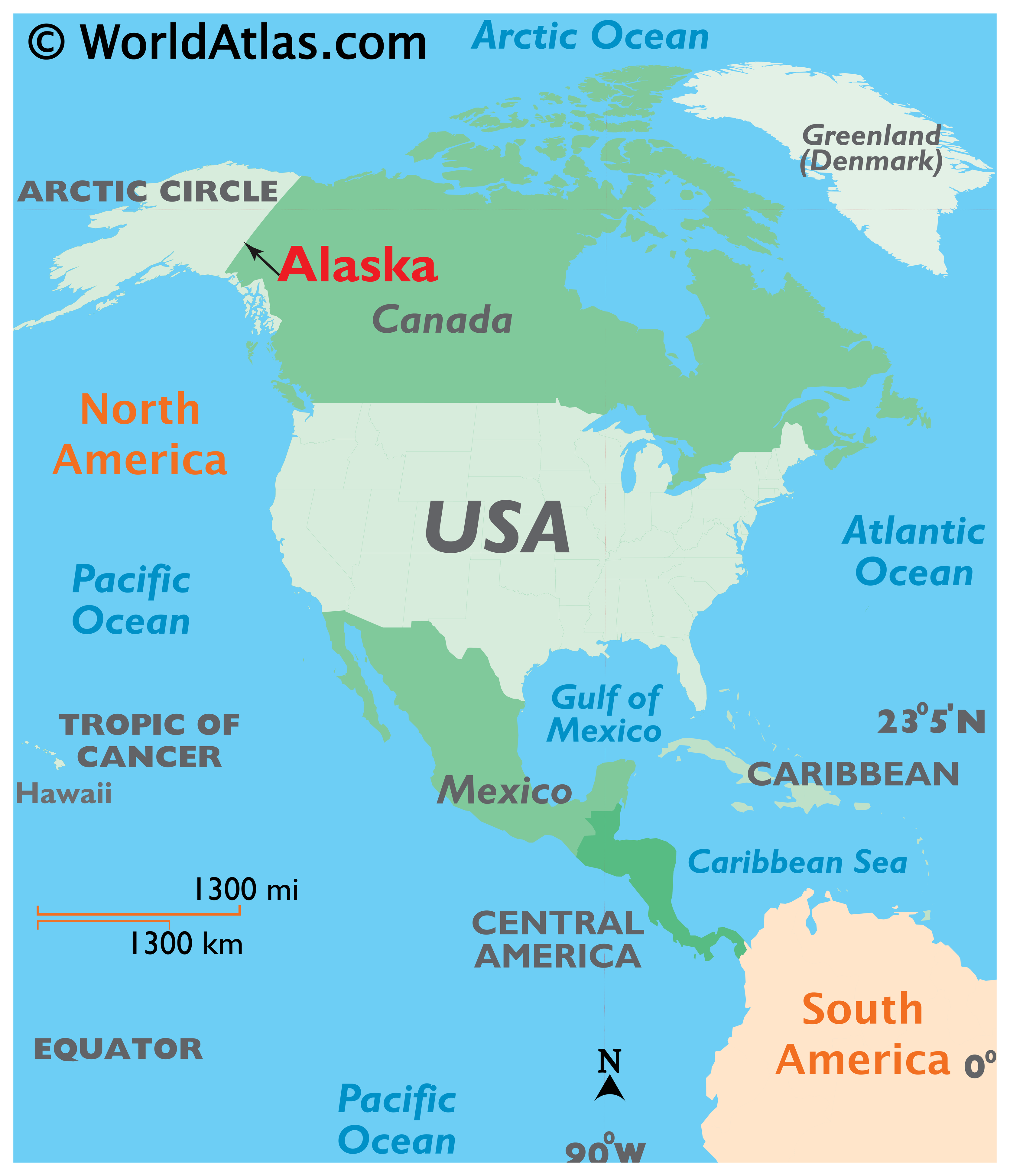
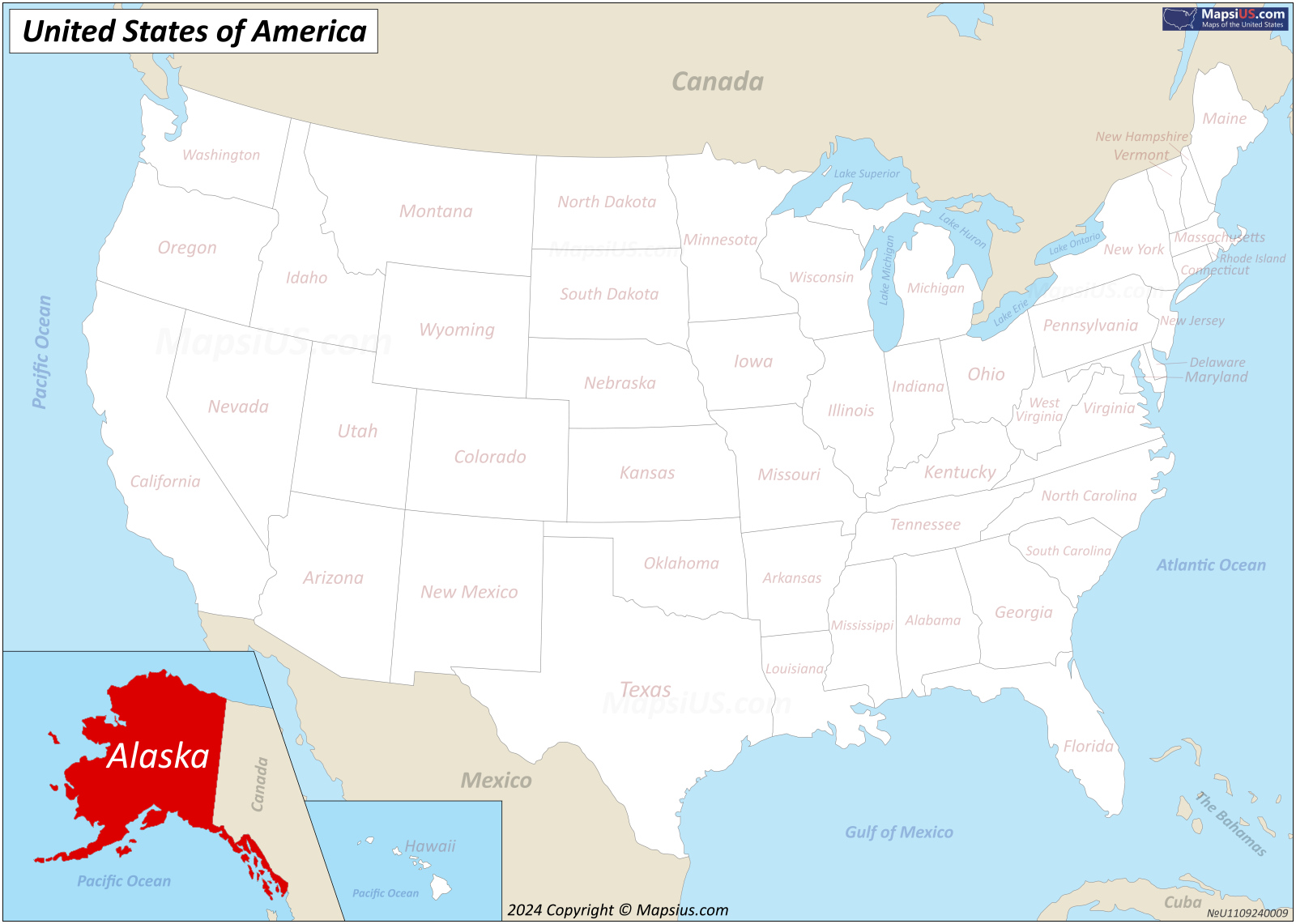
Known affectionately as "The Last Frontier," Alaska is the largest, most sparsely populated, and geographically distinct state in the United States. Separated from the contiguous lower 48 states by Canada, it encompasses vast ice sheets, towering mountain ranges, pristine coastal fjords, and rich Indigenous heritage. Whether you are conducting academic research or planning a journey to the subarctic, this comprehensive alaska usa wiki guide provides a factual overview of the state's geography, history, climate, and modern infrastructure.

Alaska, USA Wiki: Quick Facts and Profile
Before diving into regional specifics, here is an essential statistical snapshot of the state:
- Capital: Juneau (accessible only by boat or aircraft)
- Largest City: Anchorage (home to roughly 40% of the state's population)
- Admitted to the Union: January 3, 1959 (49th state)
- Total Area: 663,268 square miles (1,717,856 km²) — more than double the size of Texas
- Population: Approximately 733,000 residents
- Highest Elevation: Denali at 20,310 feet (6,190 meters), the highest point in North America
- State Nickname: The Last Frontier
- State Motto: "North to the Future"
Geography and Regions
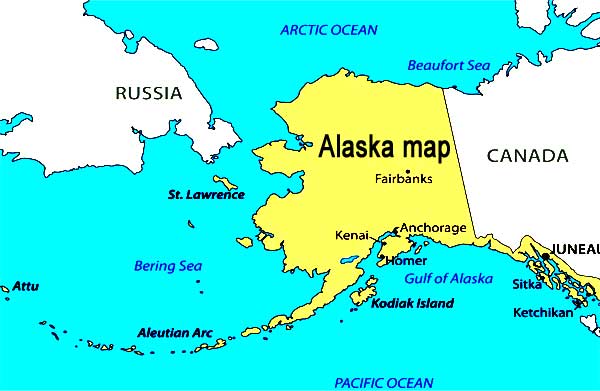
Alaska's sheer scale is difficult to overstate. It touches two oceans—the Pacific and the Arctic—as well as the Bering Sea. The state is divided into five distinctive geographic regions, each defined by unique ecological and topographic conditions.
1. Southcentral
Southcentral is the economic heartland of Alaska, home to Anchorage, the Matanuska-Susitna Valley, and the Kenai Peninsula. The region features dramatic coastal mountains, agricultural farmlands, and major transportation hubs. It enjoys relatively moderate weather compared to the deep interior.
2. Southeast (The Panhandle)
Bordering British Columbia, Southeast Alaska consists largely of the Alexander Archipelago and the Tongass National Forest, the largest temperate rainforest in North America. The state capital, Juneau, sits here. Tidewater glaciers, deep fjords, and marine waterways characterize this region, which forms the core of the Inside Passage ferry and cruise ship routes.
3. Interior
The Interior stretches between the Alaska Range to the south and the Brooks Range to the north. Centered around Fairbanks, this region features low-lying boreal forest (taiga), winding rivers such as the Yukon and Tanana, and extreme seasonal temperature swings.
4. Southwest and the Aleutian Islands
This wild, windswept region encompasses the Alaska Peninsula, Kodiak Island, and the volcanic Aleutian Island chain, which stretches toward Asia. Southwest Alaska contains massive salmon runs, active volcanoes along the Pacific Rim of Fire, and dramatic maritime landscapes.
5. Far North (The Arctic)
Lying entirely above the Arctic Circle, the Far North consists primarily of treeless coastal tundra. Bordering the Arctic Ocean and the Beaufort Sea, this region contains the massive petroleum reserves of Prudhoe Bay, alongside historic Iñupiat settlements like Utqiaġvik (formerly Barrow).
Climate: From Temperate Rainforest to Arctic Tundra
Video: Alaska - Wiki Videos
Because of its immense footprint, Alaska does not possess a single uniform climate. Instead, weather conditions vary drastically by latitude, topography, and proximity to the ocean:
- Maritime (Southeast and Coastal South): Mild winters with temperatures hovering around freezing, cool summers, and heavy annual precipitation, exceeding 150 inches in select coastal pockets.
- Continental (Interior): Marked by stark extremes. Fairbanks can experience summer highs above 90°F (32°C) and winter lows plunging beneath -50°F (-45°C).
- Arctic: Long, bitterly cold winters and short, chilly summers where temperatures rarely exceed 50°F (10°C). Precipitation is so low that parts of the North Slope technically qualify as polar desert.
Alaska is also famous for extreme daylight variations. In high latitudes, the summer brings the "Midnight Sun," where sunlight persists throughout the night. Conversely, winter brings polar darkness and twilight, illuminated by the vibrant green and violet waves of the Aurora Borealis (Northern Lights).
Brief History: From Indigenous Roots to Statehood
Alaska Native Cultures
Human habitation in Alaska traces back at least 15,000 years, when ancestral groups crossed the Bering Land Bridge. Prior to European contact, diverse Indigenous groups established complex societies adapted to their environments:
- Iñupiat and Yupik: Inhabited the Arctic and subarctic coasts, relying on marine mammal hunting and dog-sled transit.
- Aleut (Unangax̂): Maritime seafaring people skilled in navigating the stormy Aleutian waters.
- Athabascan: Nomadic hunters occupying the rugged interior river valleys.
- Tlingit, Haida, and Tsimshian: Coastal communities in the Southeast, renowned for intricate totem carving, cedar longhouses, and complex clan structures.
Russian Colonization and the Alaska Purchase
Vitus Bering explored the Alaskan coast in 1741 for the Russian Empire, launching a lucrative maritime fur trade in sea otter pelts. Russia established settlements at Kodiak and Sitka (New Archangel), but economic strain and logistics prompted Tsar Alexander II to sell the territory to the United States in 1867.
Negotiated by U.S. Secretary of State William H. Seward, the treaty acquired the territory for $7.2 million—roughly two cents per acre. Critics derided the transaction as "Seward's Folly" or "Seward's Icebox," until major gold strikes in Juneau, Nome, and Fairbanks during the late 19th and early 20th centuries proved its immense resource value.
Path to Statehood
Alaska played a vital strategic role during World War II, seeing military skirmishes in the Aleutian Islands against Japanese forces. This spurred massive federal defense investments, including the construction of the Alaska Highway. On January 3, 1959, President Dwight D. Eisenhower signed the declaration officially admitting Alaska as the 49th state.
Economy and Major Industries
Alaska's economy relies heavily on natural resources, strategic logistics, and government services:
- Oil and Gas: Discovered in 1968 at Prudhoe Bay, petroleum delivered via the 800-mile Trans-Alaska Pipeline System (TAPS) to Valdez has long funded the state budget. Revenue supports the Alaska Permanent Fund, which issues annual dividend payments to eligible residents.
- Commercial Fishing: Alaska is one of the world's most productive seafood producers, dominating global wild salmon, Pacific cod, halibut, and Pollock harvests. Bristol Bay supports the largest wild sockeye salmon run on Earth.
- Tourism: Millions of visitors arrive annually between May and September via cruise ships, trains, and motorcoaches to see glaciers, fjords, and national parks.
- Air Cargo and Transportation: Anchorage International Airport serves as one of the busiest air cargo cross-shipping hubs in the world due to its strategic position halfway between North America and Asia.
Protected Lands and Wildlife
Alaska contains more public conservation land than any other U.S. state. It boasts 8 national parks, including:
- Denali National Park: Six million acres surrounding the continent's highest peak, inhabited by grizzly bears, caribou, Dall sheep, and wolves.
- Wrangell-St. Elias: The largest national park in the U.S. system, equal in size to six Yellowstones combined.
- Katmai National Park: Famous for brown bears congregating at Brooks Falls to catch migrating salmon.
- Gates of the Arctic: A pristine wilderness park with no roads or designated trails.
Travel and Living Logistics
Life in Alaska presents unique logistical realities. Much of the state lies off the road grid. Juneau remains the only U.S. state capital impossible to reach by automobile. Residents and travelers rely heavily on the Alaska Marine Highway System (ferries), small floatplanes ("bush planes"), and seasonal snowmobiles.
For prospective travelers, the optimal window for mild weather and accessible attractions runs from mid-June through late August. Those seeking winter sports or prime Northern Lights viewing should plan between late September and mid-April, when dark skies maximize celestial viewing.