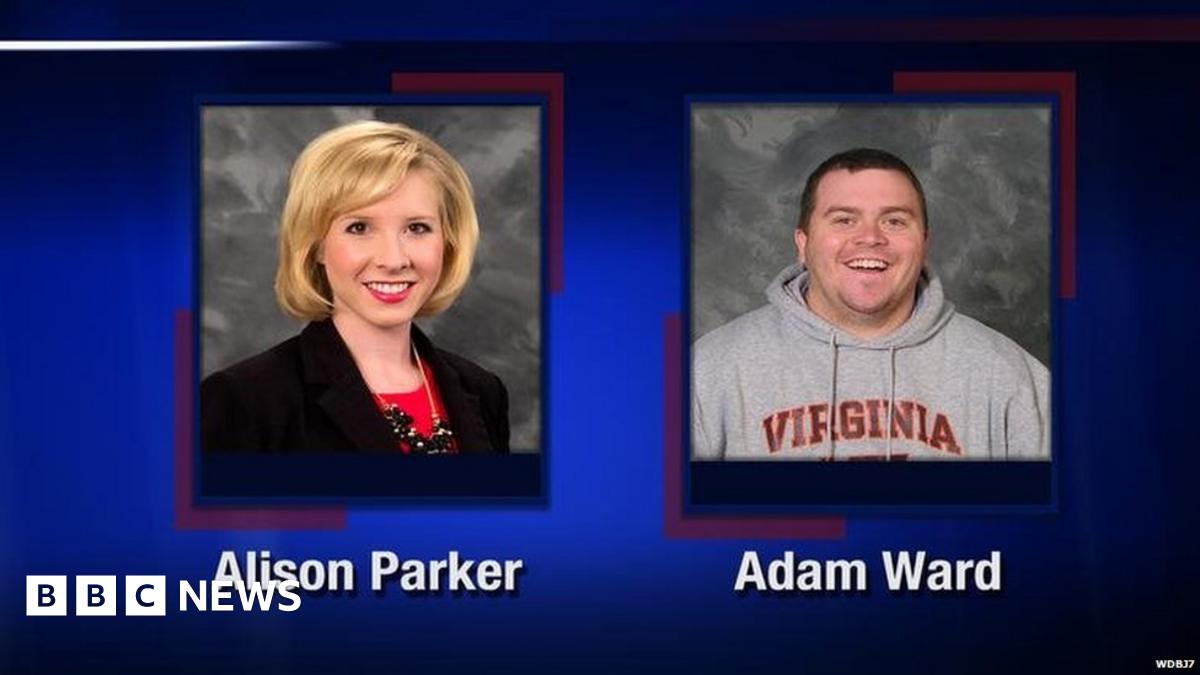
Alison Parker Adam Ward: The Warning Signs We Missed
On the morning of August 26, 2015, viewers tuning into WDBJ7’s morning broadcast in Roanoke, Virginia, witnessed an unimaginable nightmare. While conducting a live interview at Bridgewater Plaza in Moneta, 24-year-old reporter Alison Parker and 27-year-old photojournalist Adam Ward were ambushed and fatally shot by a disgruntled former coworker. In the case of Alison Parker Adam Ward: the warning signs we missed became an agonizing national discussion on workplace safety, behavioral threat assessment, and the systemic blind spots that allow volatile individuals to slip through administrative cracks.

The tragedy horrified the public not only for its brazen brutality but also because the perpetrator broadcasted his perspective directly to social media. Yet, as investigators, colleagues, and workplace safety experts pieced together the perpetrator's history, a painful reality emerged: the shooting was not an unpredictable bolt of lightning. It was the culmination of years of documented volatility, grievance collection, and escalating hostility.
The Victims: Promising Lives Cut Short
Before examining the systemic breakdowns that preceded the attack, it is essential to remember Alison Parker and Adam Ward for who they were. Parker was an ambitious, deeply empathetic journalist who had quickly risen from an intern to a lead morning reporter. Colleagues remembered her boundless energy, professionalism, and bright future in broadcast news.
Adam Ward was the station's visual heartbeat—an experienced, reliable photojournalist known for his warmth, easy humor, and dedication to his hometown region. He was engaged to a producer at the station, Melissa Ott, who was directing the live morning show from the control room on what was supposed to be her final day before relocating to a new job in Charlotte, North Carolina.
The sudden loss of two vibrant young professionals shook the media industry to its core and triggered a critical reexamination of employee safety—both inside newsrooms and out in the field.
Alison Parker Adam Ward: The Warning Signs We Missed
The gunman, who operated on-air under the name Bryce Williams, had a lengthy trail of behavioral red flags stretching back more than a decade across multiple news stations. When looking back at the trajectory of the shooter, several distinct warning signs stand out:
1. Chronic Interpersonal Conflict and Paranoia
Throughout his broadcast career, the gunman consistently displayed patterns of severe paranoia and perceived persecution. In 2000, he was fired from WTWC-TV in Tallahassee, Florida, after repeatedly clashing with coworkers and displaying bizarre, confrontational behavior. Decades later, at WDBJ, similar patterns emerged almost immediately upon his hiring in 2012.
He frequently interpreted routine newsroom communication, professional editing notes, and casual office banter as targeted racial discrimination or personal attacks. Coworkers reported that he was volatile, easily triggered, and prone to sudden silent treatments or aggressive confrontations.
2. Formal Disciplinary Actions and Mandated Therapy
WDBJ management documented numerous behavioral concerns during his brief tenure. In 2012, management placed him on performance improvement plans and mandated that he seek counseling through an Employee Assistance Program (EAP) following explosive outbursts with colleagues. While requiring medical or psychological support is often a prudent human resources step, it was clear that his hostility remained unresolved.
3. The Volatile Termination Event
Perhaps the most alarming red flag occurred in February 2013, when WDBJ fired him. The dismissal was so contentious that station management felt compelled to call local law enforcement to escort him from the premises.
During the firing, the shooter refused to leave, engaged in physical posturing, cursed at executives, and handed the news director a wooden cross while muttering cryptically. He also aggressively filmed the altercation with his phone. His departure was marked by an overt display of simmering rage that lingered long after he cleared out his desk.

4. The Legal and Online "Injustice Collection"
Following his termination, the gunman filed formal complaints with the Equal Employment Opportunity Commission (EEOC) and civil lawsuits against the station, all of which were dismissed as unfounded. In the forensic psychology field, this behavior matches the profile of an "injustice collector"—an individual who holds onto every perceived slight, nurtures grudges over months or years, and feels morally entitled to vengeance.
His social media accounts also shifted over time, exhibiting increasing bitterness, complaints of victimhood, and thinly veiled threats. Yet because these threats were dispersed and largely passive-aggressive, they did not trigger an active criminal intervention.
Why Workplace Warning Signs Are Frequently Overlooked
Hindsight offers a clear view of an escalating crisis, but within organizations, these signs often remain fragmented. Several institutional blind spots contributed to the inability to neutralize the threat:
- Information Siloing: Human resources, direct managers, and field staff often hold different pieces of a behavioral puzzle. What an editor views as mere rudeness may align dangerously with what HR documents as a pattern of harassment.
- The Reference Void: Many companies, fearful of defamation lawsuits, provide only neutral references (confirming dates of employment and job title) when former employees seek new jobs. This corporate reluctance frequently shields volatile individuals from scrutiny at subsequent workplaces.
- The Post-Termination Blind Spot: Once an employee is terminated, the company’s legal and administrative authority ends. Unless a former worker makes a direct, actionable criminal threat, law enforcement options are limited. The months following a termination are often the most dangerous, yet that is precisely when monitoring drops off entirely.
Threat Assessment Lessons for Modern Organizations
The tragedy of Alison Parker and Adam Ward catalyzed significant changes in how broadcast stations, corporations, and safety specialists approach workplace violence. Key reforms developed from these events include:
Establishing Multidisciplinary Threat Assessment Teams
Relying solely on an HR department to handle volatile personnel is inadequate. Leading organizations now employ Behavioral Threat Assessment and Management (BTAM) teams that combine human resources, legal counsel, mental health professionals, and corporate security. These teams evaluate whether an employee possesses the intent, means, and pathway to violence.
Recognizing the "Pathway to Violence"
Targeted violence rarely happens without preparation. Experts now emphasize tracking observable steps along the pathway: grievance, ideation, planning, acquisition of weapons, surveillance (scouting locations), and implementation. Had modern threat protocols been in place, the gunman's prolonged obsession with the station and his sudden firearm purchases might have raised broader security alerts.
Protocols for At-Risk Field Personnel
Broadcast journalists, real estate agents, home health aides, and social workers operate outside the protective confines of corporate security doors. Following the 2015 shooting, news stations across the country overhauled field safety policies. News crews were given situational awareness training, provided security during controversial or high-profile field shoots, and encouraged to leave situations that felt unsafe without fear of professional reprimand.
Honoring Their Legacy Through Vigilance
The shooting of Alison Parker and Adam Ward remains an indelible mark on broadcast journalism. In the years following their deaths, their families transformed their grief into sustained advocacy. Alison’s father, Andy Parker, has become a prominent national voice advocating for gun safety legislation and battling social media platforms to remove graphic footage of violence.
Remembering Alison Parker and Adam Ward means more than just mourning a preventable loss; it requires acknowledging that workplace violence is rarely spontaneous. The warning signs are almost always present. By fostering transparent threat-reporting cultures, breaking down corporate information silos, and taking grievance-driven behavior seriously, institutions can identify dangerous trajectories long before they end in tragedy.