Allenwood Prison PA: Is It America's Most Dangerous?
When people discuss the toughest correctional facilities in the United States, attention usually turns to infamous institutions like ADX Florence or USP Lee. However, the federal prison complex in Pennsylvania often enters the conversation due to its high-profile inmates and occasional security failures. When evaluating Allenwood Prison PA: Is This The Most Dangerous Prison In America?, it is necessary to look past the myths, examine the statistics, and understand how the facility actually operates.

Understanding the Allenwood Federal Correctional Complex
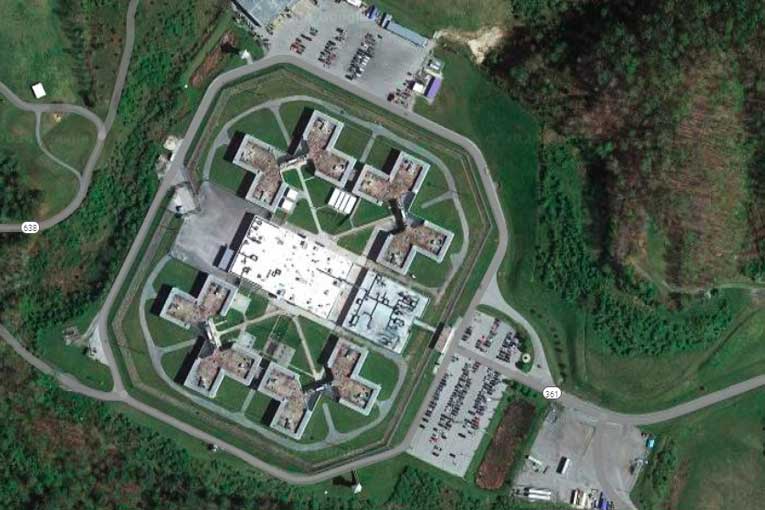
Located in Union County, Pennsylvania, the Allenwood Federal Correctional Complex (FCC Allenwood) is not just a single building. It is a multi-facility federal prison complex operated by the Federal Bureau of Prisons (BOP). The complex spans several security levels, housing thousands of male offenders ranging from minimum-security white-collar criminals to maximum-security violent offenders.
The complex is divided into distinct units:
- USP Allenwood: A High-Security United States Penitentiary that houses the most violent and high-risk offenders.
- FCI Allenwood Medium: A Medium-Security Federal Correctional Institution.
- FCI Allenwood Low: A Low-Security facility for non-violent offenders.
- Allenwood Camp: A Minimum-Security satellite camp with no fences, primarily housing non-violent, white-collar criminals.
When the media or the public refers to the dangers of Allenwood Prison PA, they are almost exclusively talking about the United States Penitentiary (USP), the high-security facility where the system's most volatile inmates reside.
The Reputation of USP Allenwood
USP Allenwood has earned a gritty reputation over the decades, largely due to the types of inmates it holds. High-security federal penitentiaries are designed to manage individuals with extensive histories of gang affiliation, murder, extortion, and terrorism.
High-Risk Inmate Population
Unlike state prisons, federal facilities often house organized crime figures, international drug traffickers, and terrorists. USP Allenwood has held numerous high-profile inmates, including mobsters, terrorists, and corrupt officials. Managing these personalities requires extreme security measures, lockdowns, and constant surveillance. The concentration of dangerous individuals naturally leads to an elevated baseline risk for both staff and inmates.
Violence and Security Incidents
Statistically, high-security federal penitentiaries experience higher rates of assaults, weapon possession, and homicides compared to lower-security camps. USP Allenwood has seen its share of contraband smuggling, inmate-on-inmate violence, and staff assaults over the years. However, comparing it to other high-security federal institutions reveals a complex picture.
How Does Allenwood Compare to Other Federal Prisons?
To answer whether Allenwood is the most dangerous prison in America, it helps to look at national rankings and comparative safety data within the federal system.

The USP Tier: Where Danger is Standard
Within the federal system, facilities like USP Lee (Virginia), USP Atlanta (Georgia), and USP Thomson (Illinois) frequently make headlines for severe staff shortages, homicides, and rampant contraband. While USP Allenwood deals with similar systemic issues—such as nationwide correctional officer shortages and stress—it is rarely ranked by federal monitors as the single most lethal or uncontrollable facility.
For instance, ADX Florence in Colorado holds the title of the nation's most secure and restrictive prison, housing unyielding terrorists and cartel leaders under complete isolation. Meanwhile, penitentiaries with chronic staffing crises, such as USP Atlanta, often record far more acute operational breakdowns than Allenwood.
Staffing and Operational Challenges
Like many federal institutions, Allenwood has faced challenges related to staff retention and overtime. When prisons are understaffed, correctional officers must rely on lockdowns to maintain control, which limits inmate programming and increases tension within the housing units. These operational pressures contribute to the perceived danger inside the walls.
Life Inside the Compound
Life inside Allenwood varies wildly depending on which security tier an inmate is assigned to. Understanding this contrast helps clarify why the complex's overall reputation can be misleading.
The Contrast Between Camp and Penitentiary
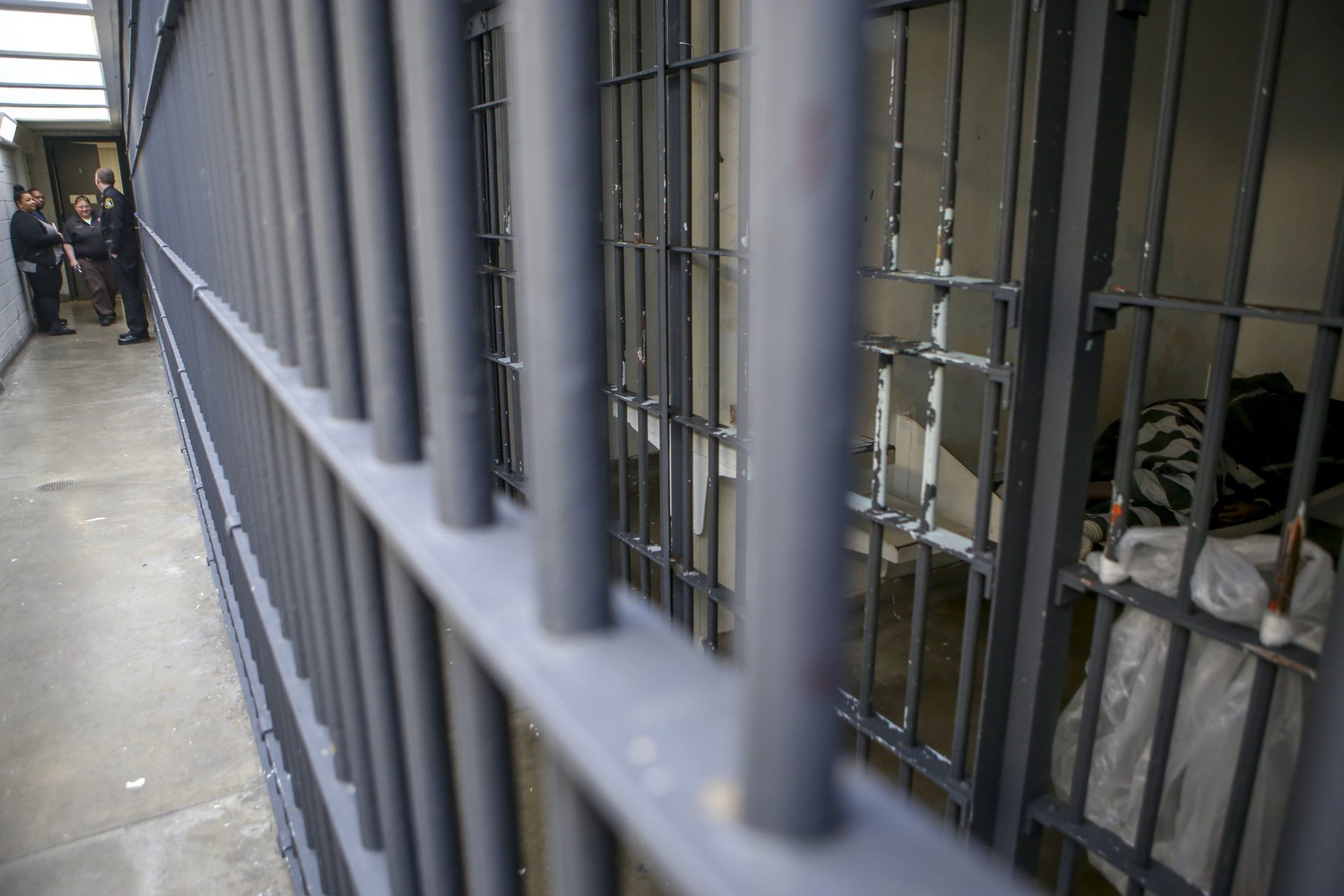
An inmate at the Allenwood Minimum Security Camp experiences a very different environment than someone in the USP. The camp features dormitory-style housing, work details on the grounds, and minimal physical barriers. Conversely, inmates at the high-security penitentiary spend up to 23 hours a day in heavily fortified cells, especially during periods of unrest or lockdowns.
Rehabilitation programs, educational classes, and psychological services are available across the complex, though access is heavily restricted at the high-security level. The goal of USP Allenwood is primarily containment and management rather than rehabilitation, given the severe nature of the population.
Conclusion: Is Allenwood the Most Dangerous?
While USP Allenwood is undoubtedly a dangerous place filled with violent offenders, calling it the absolute most dangerous prison in America is an exaggeration. It is a formidable high-security federal penitentiary that mirrors the systemic challenges facing the entire U.S. corrections system—including contraband, gang dynamics, and staffing shortages. However, other federal and state institutions routinely log higher rates of violence and operational dysfunction. Ultimately, Allenwood remains a stark symbol of the toughest side of federal law enforcement.