Allied Universal Call Off Number: Is Your Supervisor Lying?
When you wake up sick or face a sudden family emergency, searching for the correct Allied Universal call off number: is your supervisor lying to you about how the process actually works? For thousands of security professionals across the country, calling off work is one of the most stressful experiences on the job. Between conflicting instructions from site leads, unwritten "rules" barked out by account managers, and corporate attendance policies, it is easy to feel trapped.

Many Allied Universal security officers are told they will be fired if they call off, or that they must find their own replacement before their shift starts. But is that actually company policy, or is your supervisor trying to save themselves from working a 16-hour double? Here is the unvarnished truth about how Allied Universal call-offs work, how to find your actual dispatch number, and how to protect your job.
The Disconnect Between Corporate Policy and Site Supervisors
Allied Universal is the largest private security contractor in North America, employing over 300,000 security professionals. At the corporate level, attendance and scheduling are managed through structured systems: regional dispatch centers, automated interactive voice response lines, the LISA system, and the eHub mobile portal.
At the site level, however, human nature takes over. Site supervisors, lead officers, and account managers face immense pressure to keep client posts filled 24 hours a day, 7 days a week. If a post goes uncovered (referred to as an "open post"), Allied Universal may face heavy contractual fines from the client. Worse for the supervisor, if they cannot find a flex officer or a rover to cover the shift, the supervisor often has to step in and work it themselves.
Because of this pressure, some supervisors invent arbitrary site "rules" designed to scare security officers out of taking legitimate sick days or emergency leave.
Allied Universal Call Off Number: Is Your Supervisor Lying to You?
To determine if your supervisor is giving you accurate instructions or manipulating you, compare what they tell you against these four common supervisor myths:
Myth 1: "You Have to Find Your Own Replacement Before You Can Call Off"
This is the most common lie told to security guards across the industry. Finding shift coverage is a managerial and dispatch duty—it is not the legal or contractual responsibility of an hourly security officer who is sick at home. Allied Universal employs field dispatchers, schedulers, and flex/rover pools specifically to handle open posts. Unless you are an account manager or salaried supervisor, your only job is to provide timely notice of your absence.
Myth 2: "You Are Only Allowed to Call My Personal Cell Phone"
If your supervisor insists that you must only call or text their personal cell phone rather than the official regional dispatch line, proceed with extreme caution. When you call a corporate dispatch number or log your absence through corporate systems, a timestamped electronic record is created. When you only text a supervisor's personal phone, they can delete the text, claim they never received your call, and mark you down as a "No-Call, No-Show"—one of the fastest routes to termination.
Myth 3: "You Cannot Call Off on Weekends or Holidays"
Video: ALLIED UNIVERSAL SUPERVISOR

While holiday and weekend call-offs are scrutinized heavily and may require medical documentation under company attendance guidelines, Allied Universal corporate policy does not strip employees of their basic right to be sick on a Saturday. If you are incapacitated or have an emergency, standard call-off procedures still apply.
Myth 4: "Calling Off Automatically Resets Your Standing or Gets You Removed"
Threatening to immediately pull an officer's post for calling off with proper advance notice is a common intimidation tactic. While recurring, unexcused absenteeism leads to progressive discipline under Allied Universal's point-based attendance system, a single call-off made within policy guidelines cannot legally or administratively trigger immediate termination without documented progressive discipline.
How to Find Your Official Allied Universal Call-Off Number
Because Allied Universal operates through hundreds of localized branches and regional operations centers (ROCs), there is no single nationwide telephone number for every single guard. Instead, your call-off channel depends on your specific branch and post:
- The Regional Operations Center (Dispatch): Every Allied Universal branch has a 24/7 dispatch desk. This number is typically posted in your site's post orders, listed on the guard shack bulletin board, or printed on the back of your branch contact card.
- LISA (Virtual Assistant): In many markets, Allied Universal uses "LISA," an automated system that handles scheduling inquiries and shift notifications via SMS or interactive phone menus.
- The Local Branch Office: If you do not have the direct dispatch line, call your main local Allied Universal branch office. After business hours, the branch phone tree almost always routes callers directly to the on-duty regional dispatcher.
- EHUB / Workday App: Check your scheduling portal (eHub). Shift contact numbers and operational management contacts are frequently listed inside the application under shift details.
The Golden Rule: The 4-Hour Notice Window
Under standard Allied Universal employee handbooks and most union collective bargaining agreements (such as SEIU or SPFPA agreements where applicable), the standard policy for calling off is at least four hours prior to the start of your shift.
Giving four hours of notice gives the scheduling department sufficient time to contact rovers or offer overtime to off-duty guards. If you call off 30 minutes before your shift without a life-threatening or verifiable medical emergency, corporate policy classifies this as a "late call-off," which carries disciplinary weight similar to a partial attendance infraction.
How to Protect Yourself When You Need to Call Off
If you suspect your site supervisor is hostile, retaliatory, or dishonest, follow this step-by-step paper-trail protocol whenever you need to take time off:
- Call the official dispatch or branch number first: Always notify the 24/7 central dispatch desk at least four hours prior to your shift.
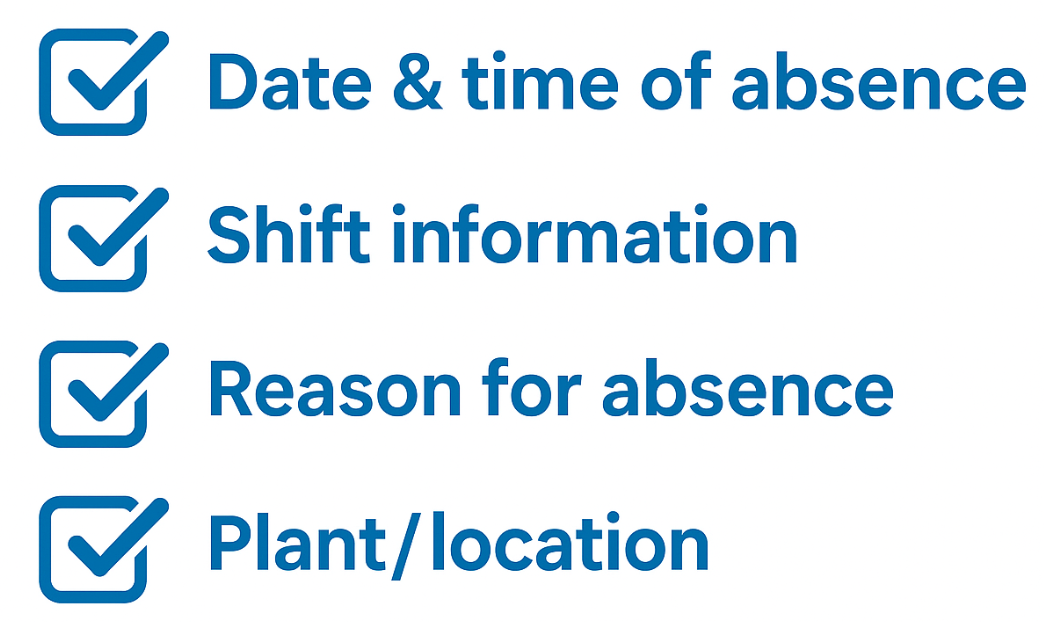
- Record the details: Write down the exact time you placed the call, the phone number dialed, the duration of the call, and the name of the dispatcher who took your report. Ask the dispatcher for a log or confirmation number if their center issues them.
- Send a written courtesy message to your supervisor: Once dispatch is notified, send a brief, professional text message or email to your site supervisor: "Good morning/evening. I have officially notified central dispatch that I will be unable to report for my shift today, [Date], due to illness/family emergency. Thank you."
- Take a screenshot: Immediately screenshot your phone's outgoing call log showing the timestamp of the call to dispatch, as well as the text message sent to your supervisor. Back these screenshots up to your personal cloud or email.
- Obtain documentation: If your absence spans more than one or two consecutive shifts, visit urgent care or your primary care physician to secure a return-to-work note. Allied Universal policy routinely requires documentation for multi-day absences.
What to Do if Your Supervisor Retaliates
If you followed protocol—notified dispatch with proper notice, documented your call, and informed your supervisor—and you return to work only to find your hours cut, your post changed, or a write-up waiting on the desk, do not simply sign the disciplinary action form without comment.
You have the right to write a statement in the employee response section of any disciplinary notice explaining that you followed official corporate call-off protocol, complete with the timestamp of your call to dispatch. If retaliation continues, contact your branch HR representative or call the Allied Universal Ethics and Compliance Helpline (1-888-260-5926) to open a formal investigation. Your job and peace of mind are protected by corporate compliance rules—no matter what your on-site supervisor tries to claim.